

-SEB%20CREDIT%20WallisandFutunaPocketGuide.com.webp?v=2026-04-20T02%3A17%3A35.420Z)
Discover Wallis & Futuna's Most Fascinating Historical Landmarks
Two (or technically three) unsuspecting islands in the middle of the Pacific, Wallis and Futuna harbour some of the most remarkable historical sites in Polynesia.
These twin island territories tell an extraordinary story spanning over 3,400 years, from the ancient Lapita settlements to French colonial influence, creating a breadth of fascinating historical sites.
You'll discover ancient fortifications built by Tongan settlers in the 15th century, Catholic churches established by Marist missionaries in the 1800s, and remnants of World War Two infrastructure left by American forces.
Start exploring just that with this list of the best historical sites in Wallis and Futuna!
This article is based on real on-the-ground research, not on AI scraping old content from the internet. Learn how we use AI!
Table of Contents
1.Kolonui Fort (Wallis)
%20CREDIT%20WallisandFutunaPocketGuide.com-900x507.webp?v=2026-04-12T02%3A50%3A15.287Z)
Standing proudly as the largest fortified structure in the Loto'alahi region, Kolonui Fort (also known as La Résidence de Taleitumu) offers visitors a chance to walk among the remains of Pacific island warfare and ancient Tongan imperialism.
This remarkably well-maintained historical site was built around 1450 during the expansion of the Tu'i Tonga Empire and served as the last holdout of the Tongans on Uvea until their eventual defeat. The entire fortress is surrounded by impressive defensive walls constructed from black basalt stone, featuring several strategic entrances that once controlled access to this sacred stronghold.
Inside the fort, you'll discover preserved foundations set amongst manicured lawns, leading up to an elevated platform called Talietumu, a marae or sacred place of circular prolonged shape built upon a circular stockade base.
For more fascinating sites on Wallis, check out the 20 Best Things to Do on Wallis.
Halalo, Mu'a, southern district of Wallis. Signposts from the main road (RT 1) lead to an inland dirt road near the Mala'efo'ou Cemetery. Although the road is a dirt road, it is flat and suitable for most vehicles with care.
2.Fai'umu O Papa (Futuna)
-SE%20CREDIT%20WallisandFutunaPocketGuide.com-900x601.webp?v=2026-04-07T00%3A56%3A30.986Z)
Venture into Futuna's fascinating and somewhat dark historical past at the Fai'umu O Papa, home to one of the island's most well-preserved cannibal ovens.
You'll find this archaeological site absolutely fascinating, centred around a massive circular stone umu (a traditional earth oven) marking where the ancient village of Asoa once thrived. What makes this place truly captivating isn't just the impressively preserved stonework, but the chilling legend that locals still whisper about today.
According to locals, a rival clan hatched a deadly plot to overthrow the village chief, the Tui Asoa.
The story goes that they murdered the food servant of Pāpā, a legendary warrior who protected the village, then cooked and served the body to him in this very umu. When Pāpā complimented the exceptional taste (not knowing what he was eating), the clan saw their chance and continued their gruesome plan.
They systematically eliminated the chief's entire clan until only a grandmother and three children remained. The children managed a dramatic escape to Loka, where legend says they transformed into dolphins.
Asoa, Alo, Futuna. From the crossroads just south of Croix de Sacré Coeur de Jésus, head east approximately 500 m (550 yards). The Cannibal site is on the left.
3.Anakele (Futuna)
-SEB%20CREDIT%20WallisandFutunaPocketGuide.com-900x601.webp?v=2026-04-07T00%3A55%3A08.932Z)
You'll find yourself standing on some seriously sacred ground at Anakele.
This isn't just any old historical site; it's the final resting place of King Fakavelikele and where the current Tui'Agaifo dynasty of Alo began their reign. According to locals, ancient power struggles that shaped Futuna's entire destiny once played out right here.
The site is well signposted alongside the main road, though it's not the cross under the fale that we first mistook it for. Take the short uphill trail to the left of the cross to climb to the top where the real ancient tomb lies. From the road, you'll see how the tomb sits on top of stone terraces placed into the hill.
Speaking of pyramid-style structures, the fabulous natural Pyramid Point (Pointe de Pyramisdes) are within view of Anakele, making this the perfect stop for a dose of cultural significance with jaw-dropping natural beauty.
Discover more around Futuna with our 15 Best Things to Do on Futuna.
RT 1, Fikavi, Alo, northern coast of Futuna. On the roadside approximately 750 m (820 yards) northwest of Fikavi village (and the Fikavi Tikis).
4.Kalevalio - The Landing Place of the First Missionaries (Wallis)
-SEB%20CREDIT%20WallisandFutunaPocketGuide.com-900x601.webp?v=2026-04-11T20%3A55%3A43.774Z)
Despite the significance of this historical site and its long-lasting impact, this unassuming chapel marks the spot where the first missionaries arrived in Wallis.
Standing at Kalevalio, you'll witness the exact spot where Monsignor Pompallier, Father Bataillon, Father Chanel and their companions first landed and immediately knelt to recite an Ave Maria. The site may appear modest compared to other religious landmarks, but its historical importance is immense; this moment marked the beginning of Catholic faith spreading throughout Wallis and Futuna.
The commemorative cross erected here in 1887 is a powerful reminder of the 50th anniversary of Catholicism's establishment on the island. According to locals, this sacred ground holds deep spiritual significance for the community, representing the foundation of their faith journey.
For more chapels to scout out, check out the 10 Best Churches in Wallis & Futuna to Experience as a Visitor.
Kalevalio, Kolopopo, Mu'a, south coast of Wallis. Located on the waterfront between Kolopopo and Mala'efo'ou villages.

Editor's Choice
LS Location
Need a rugged workhorse to explore Wallis? Our KIA 2700 Benne and KIA K3000 Plateau trucks are built for the island's toughest terrain. Perfect for adventurers tackling backcountry roads, these...
5.Uvea Museum Association (Wallis)
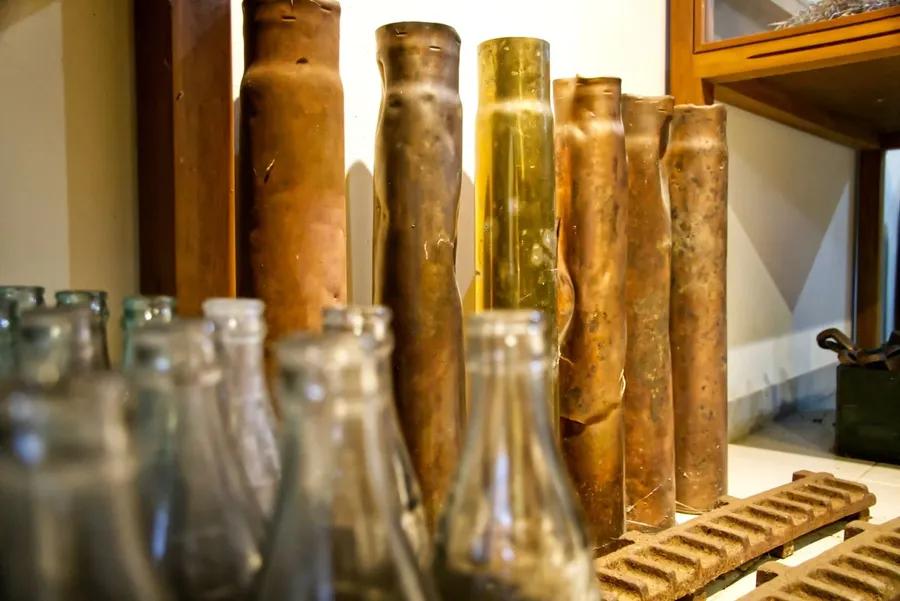
Although not a "historical site" per se, the Uvea Museum Association is the best place to experience Wallis' World War Two history.
This remarkable collection chronicles the extraordinary period from 1942-1946 when nearly 6,000 American GIs transformed Wallis Island, building roads, the airport and establishing deep bonds with locals. Founded by a passionate local collector who began gathering artefacts as a teenager, this museum later welcomed curator Christophe Laurent, who brought his own collection and expertise to create today's comprehensive display. Available by appointment only through Wallis Voyages, guided tours with Christophe captivate visitors for one to two hours with personal stories and authentic wartime treasures.
The collection includes uniforms, weapons, bullets, letters sent home, flags, medals, glass bottles, food trays, lamps and photo albums; artifacts found throughout Wallis, sometimes even in locals' backyards. Particularly fascinating are the Coca-Cola bottles, including white ones without town names that couldn't be properly delivered to overseas soldiers. The museum also houses artefacts donated by Wallis veterans, with Christophe having travelled to veteran reunions in Washington to compile personal stories and connections.
The experience (in air-conditioned comfort, might we add) reveals how US forces approached Wallis, expecting Japanese occupation with "D-Day" intensity, only to discover 6,000 peaceful Wallisians whose population they doubled. While Wallis saw no battles, the occupation brought transformative infrastructure including the first roads (routes still used today) and two airstrips, one remaining the island's current airport.
For more all-weather experiences, check out the 5 Things to Do in Wallis & Futuna on a Rainy Day.
Mata'Uta, Hahake, central district of Wallis. Inside Fenuarama Shopping Centre (shopping centre next to SEM Supermarket). The museum is located opposite the BWF bank.
6.Poï Basilica (Futuna)
-SEB%20CREDIT%20WallisandFutunaPocketGuide.com-900x556.webp?v=2026-04-21T23%3A56%3A05.956Z)
Commemorating a historically important moment for the Wallisian and Futunan people, Poï Basilica honours Saint Pierre Chanel, the only Catholic martyr in Polynesia.
You'll discover three main attractions here: the impressive main Basilica, the unique hexagonal Saint Pierre Chanel Chapel, and the fascinating Museum of Saint Pierre Chanel. There's even the grave of the person who killed Saint Pierre (and locals actually encourage visitors to stomp on it).
The museum is split into three engaging sections that take you through Saint Pierre's remarkable journey. You'll find traditional artefacts, precious relics from the saint's life, and touching donations from pilgrims who've made the journey here over the years.
A timeline along the wall traces Saint Pierre's life from his early days right up to the museum's opening in 2021. But it's not just about the saint; you'll also discover ancient pottery and fascinating archaeological finds, including a clay sculpture of a turtle that's the oldest relic ever found on Futuna.
Every year on 28 April, the anniversary of Saint Pierre's martyrdom, the basilica transforms into the epicentre of vibrant celebrations honouring the patron saint of Oceania.
On any other day, you can explore the beautifully maintained grounds and learn about the fascinating history of Catholic evangelisation in Polynesia.
Poï, Alo, northeast coast of Futuna.
7.Sakumani Tomb (Futuna)
-%20BNCC%20CREDIT%20WallisandFutunaPocketGuide.com-900x601.webp?v=2026-04-07T00%3A52%3A03.959Z)
Discover a fascinating piece of Futuna's political history at this modest coral stone tomb marking the final resting place of Sakumani, the first monarch of Sigave.
Dating back to the 19th century, around the time missionary Pierre Chanel arrived on the island, this roadside memorial signifies the story of how organised leadership came to this remote Pacific territory.
Before Sakumani's reign, Sigave was ruled by the law of the strongest, with clans constantly fighting for dominance. Chosen by the clans themselves to bring peace and structure, Sakumani established the kingdom system still used today, creating Futuna's first council of chiefs and designating customary leaders and ministers.
Today, you can admire the stone slabs from the roadside in a grassy clearing that villagers maintain.
RT 1, Tavai, Sigave, northeast coast of Futuna. Visible from the roadside when travelling through Tavai village.
8.Vanai Tomb (Futuna)
-SE%20CREDIT%20WallisandFutunaPocketGuide.com-900x601.webp?v=2026-04-07T00%3A54%3A37.514Z)
Uncover the fascinating history of Vanai Tomb, one of Futuna's most significant, if not a little harrowing, historical sites.
This burial ground holds the remains of a powerful chief who witnessed pivotal moments in the island's past, including the arrival of Saint Pierre Chanel in the 1840s and the famous Black Sand Beach Battle between rival kingdoms.
Archaeological excavations have revealed the traditional practice where family members were buried alive alongside deceased royalty, along with precious jewellery and ceremonial objects. The site offers a haunting glimpse into pre-Christian Futuna, where powerful chiefs ruled with absolute authority and elaborate burial customs honoured their passing.
What makes this site particularly poignant is its connection to the island's conversion to Catholicism under Tui (King) Vanai's rule, when St Pierre Chanel arrived to treat wounded warriors and advocate for peace during violent territorial conflicts.
RT 1, Vaisei, Sigave, northwest coast of Futuna. Located immediately north of Chapelle Saint Joseph.
Where to Stay
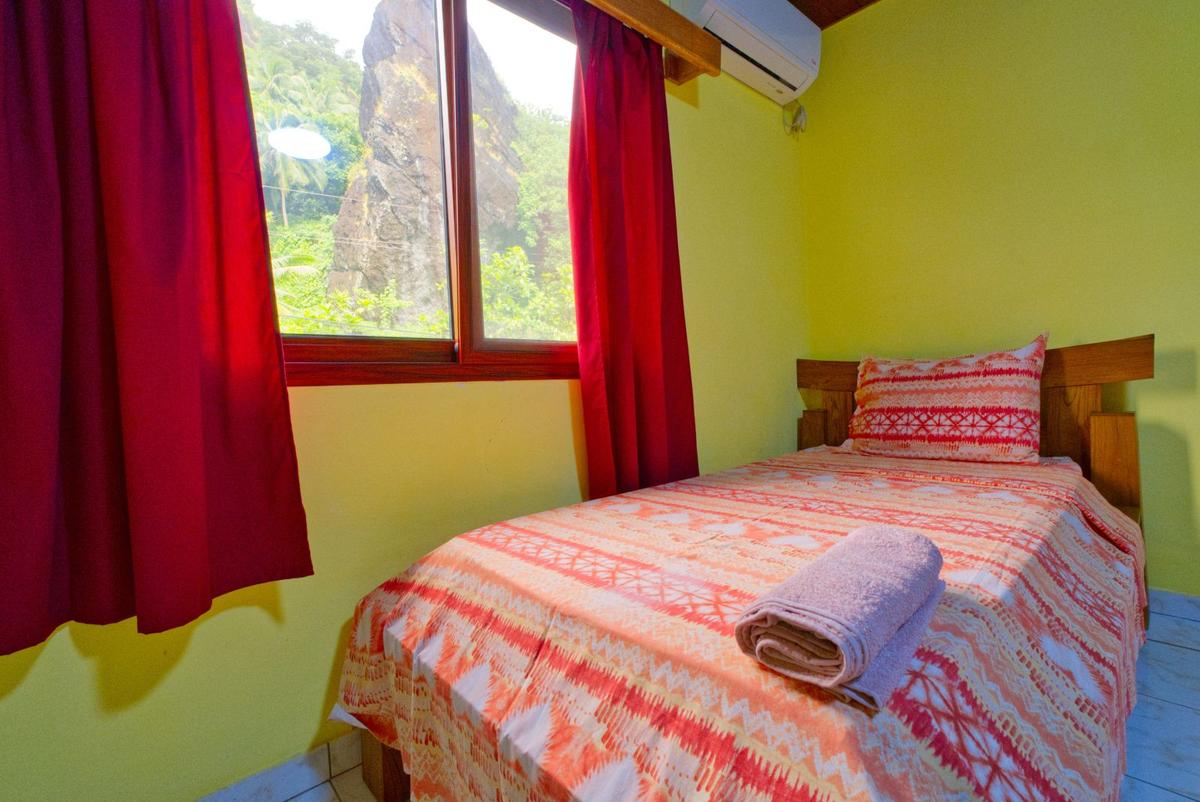
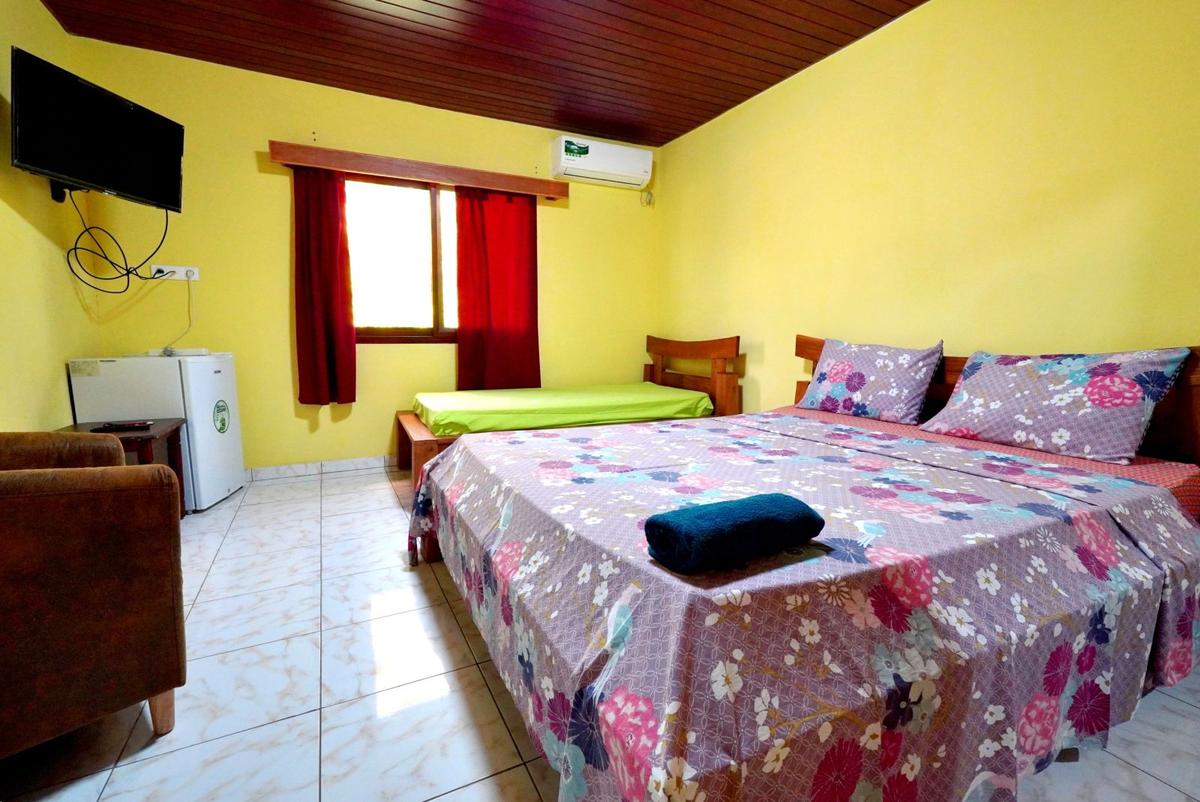
Somalama Hotel
Twin Room · Ground Floor Suite · Mountainview Double Room +2 more
NZ$187/night
9.Saint Joseph's Church (Wallis)
-BI%20CREDIT%20WallisandFutunaPocketGuide.com-900x601.webp?v=2026-04-11T20%3A53%3A59.505Z)
Saint Joseph's Church (Église Saint-Joseph) stands as Wallis Island's oldest and most historically significant religious monument, marking the beginning of evangelisation in this remote Pacific territory.
Built in 1859 from striking black volcanic rock and white coral, this Gothic-style church showcases intricate biblical frescoes that have withstood over 160 years of tropical weather.
The church's medieval Gothic architecture creates a remarkable contrast against the tropical surrounds, making it one of the most photographed landmarks in Wallis and Futuna. Inside, visitors can admire the detailed frescoes depicting biblical scenes, painted by early missionaries who brought Christianity to the island.
According to locals, the church remains an active place of worship for the small community of Mala'efo'ou, where only 175 people call this village home.
If you don't make it to a Sunday mass, usually one of the side doors is open if you want to pop your head in for a look (perhaps after lunch at nearby Chez Youyou).
RT1, Mala'efo'ou, Mu'a, south coast of Wallis. Opposite Chez Youyou.
10.Filisia (Futuna)
-SEB%20CREDIT%20WallisandFutunaPocketGuide.com-900x601.webp?v=2026-04-07T00%3A46%3A05.314Z)
Filisia stands out as one of the most accessible archaeological sites along Alofi's ancient trails, requiring no guide to discover its fascinating remnants.
The site features striking erect reef stones that mark an ancient tomb, while the surrounding cleared area once served as important meeting grounds, according to local archaeologists.
Today, this historical crossroads is beautifully framed by local plantations and offers convenient access to multiple destinations. From here, you can venture north to Ganiu Beach, west to Alofitai Beach, or east to explore both Loka Cave and Beach.
Needless to say, its easily recognisable stone markers and strategic location make it a must-visit for history enthusiasts and casual explorers alike.
For more adventures on Alofi, and how to find Filisia, check out A Self-Guided Day Trip on Alofi: One Day Itinerary.
Northeast of Alofi. Filisia is signposted at the intersection of Loka Cave, Ganiu Beach and Alofitai Beach. Boat access is from Alofitai Beach, then by hiking trail for approximately 2 hours one way.
11.Tongan Stairs (Futuna)
-CUWL%20CREDIT%20WallisandFutunaPocketGuide.com-900x601.webp?v=2026-04-07T01%3A19%3A08.155Z)
"Step" back in time at the remarkable Tongan Stairs or "Escaliers Tongiens", one of Futuna's most impressive and intact historical remains.
These well-formed steps, carved directly into the rock on the mountain slopes, span 15-20 m (50-65 ft) and showcase incredible ancient craftsmanship.
According to local legend, these stone steps were hand-carved by Tongan workers for their king Saufekai, known as the Cannibal King. The stairs ascend alongside a taro plantation, offering glimpses of authentic island living as you climb.
You can easily combine this historical site with outdoor adventures, making it a perfect stop as you descend from the Mt Puke hike - see our Best Walks in Wallis and Futuna LINK#TTD131 guide.
RT 1, Taoa, Alo, south coast of Futuna. Take the inland road approximately 220 m (240 yards) west of Taoa church and follow the dirt road for approximately 190 m (210 yards). A clearing in the forest marks where you can access the Tongan Stairs on foot.
12.WW2 US Airstrip (Wallis)
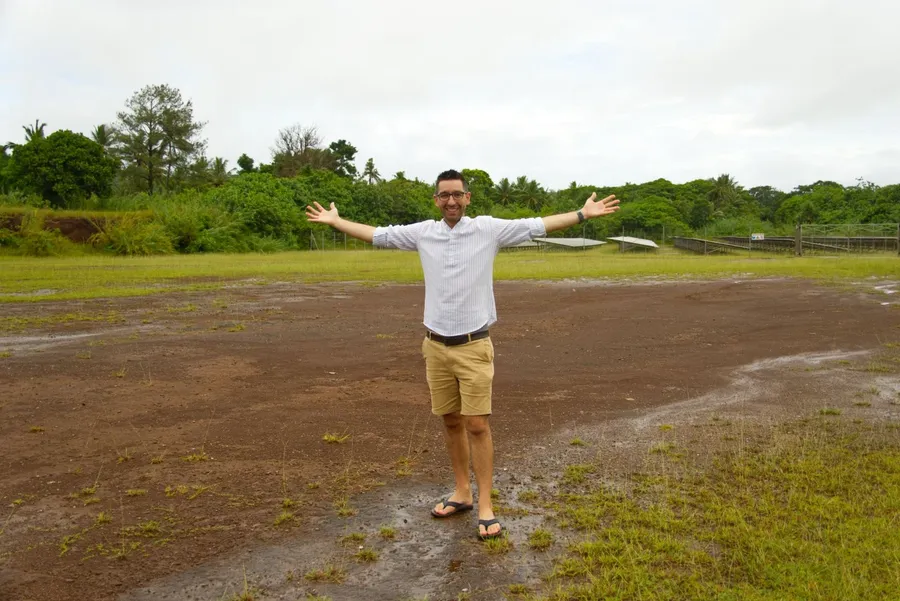
Other than at the Uvea Museum Association, artefacts from World War Two are hard to find, though a piece we managed to scout out is the original WW2 US Airstrip.
This inconspicuous historical site offers a glimpse into Wallis' significant role during WW2, when 6,000 American troops transformed this sleepy Pacific island into a strategic military base.
One of two airstrips constructed during the war (the other became the current Hihifo International Airport), this forgotten piece of history lies quietly between a chapel and solar farm.
You'll notice the flattened ground and patches of compressed earth that remain from when the US Army doubled the island's population overnight, introducing modern infrastructure, including roads and airstrips to what was previously an untouched corner of the Pacific.
The site is easy to miss, making it all the more special for those who seek it out. For more insights, we highly recommend booking a tour with Wallis Voyages and/or visiting the Uvea Museum Association.
Lavegahau, Mu'a, southern district of Wallis. From RT 2, take the inland road opposite Mini Mag L'After Lavegahau. Park at the chapel, and the airstrip remains can be seen on the ground between the chapel and solar farm.
Editor's Choice
Corail Renting
Explore Futuna at your own pace with our Chevrolet Spark. This compact, fun-to-drive car is perfect for discovering hidden beaches, local villages and mountain tracks. With air conditioning, a...
13.Anchor of Captain Samuel Wallis (Wallis)
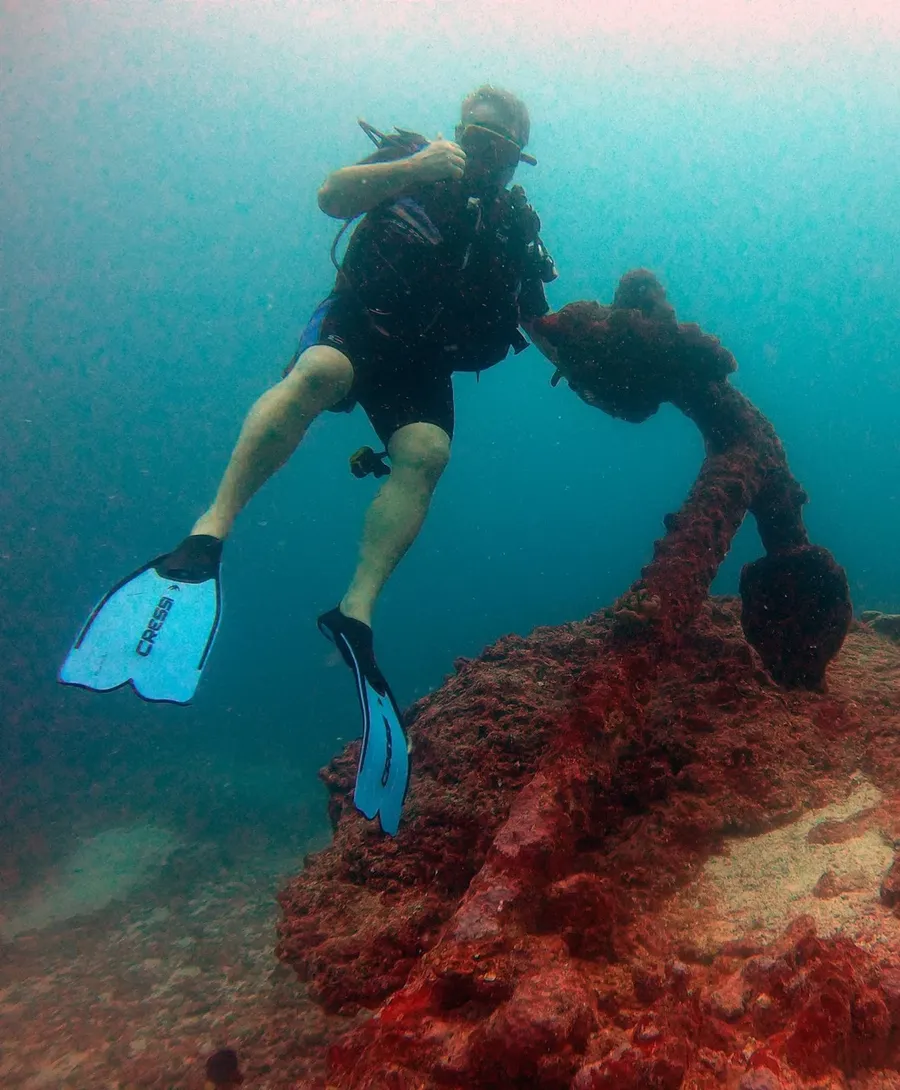
Unless you have the right dive certifications, the Anchor of Captain Samuel Wallis isn't the most accessible historical site in Wallis and Futuna. But it's well worth the adventure to see the remnants of the British naval officer who visited the island while commanding HMS Dolphin (other than the island's names, of course).
At a depth of 42 m (138 ft), this historic dive site houses the verified anchor of Captain Samuel Wallis from his historic 1763 expedition, marking the first European contact with these islands.
The anchor's historical significance has been confirmed through detailed analysis, making this more than just a dive; it's a journey back in time.
Advanced divers will appreciate the technical challenge of reaching this depth whilst marvelling at this tangible piece of Pacific exploration history resting on the seabed.
For more of Wallis' underwater attractions, check out the 12 Dive Sites & Places to Scuba Dive in Wallis & Futuna.
Accessible with Evasion Bleue, Halalo, Mu'a, south coast of Wallis.
14.WW2 U.S. Barge (Wallis)
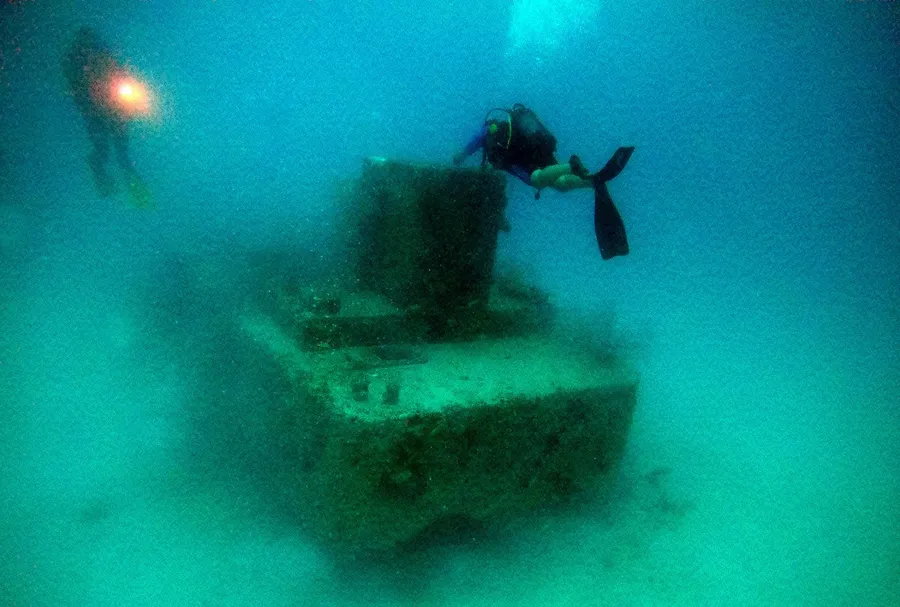
Dive into history at one of Wallis' most captivating underwater sites, where a 1944 US military barge rests at 47 m (154 ft) below the surface.
This advanced diving destination offers experienced divers the rare opportunity to explore a remarkably preserved piece of World War Two history, now transformed into an artificial reef teeming with marine life.
The wreck is beautifully adorned with black coral formations that have claimed the vessel over the decades. You'll still find fascinating remnants of wartime equipment, including original instruments, structural details, and even bicycle wheels that were ingeniously repurposed as fenders.
Navigation to the site requires compass skills, adding an element of technical challenge that seasoned divers will appreciate.
Accessible with Evasion Bleue, Halalo, Mu'a, south coast of Wallis.
15.Tuatafa Black Sand Beach (Futuna)
-SEB%20CREDIT%20WallisandFutunaPocketGuide.com-900x506.webp?v=2026-04-07T01%3A05%3A31.359Z)
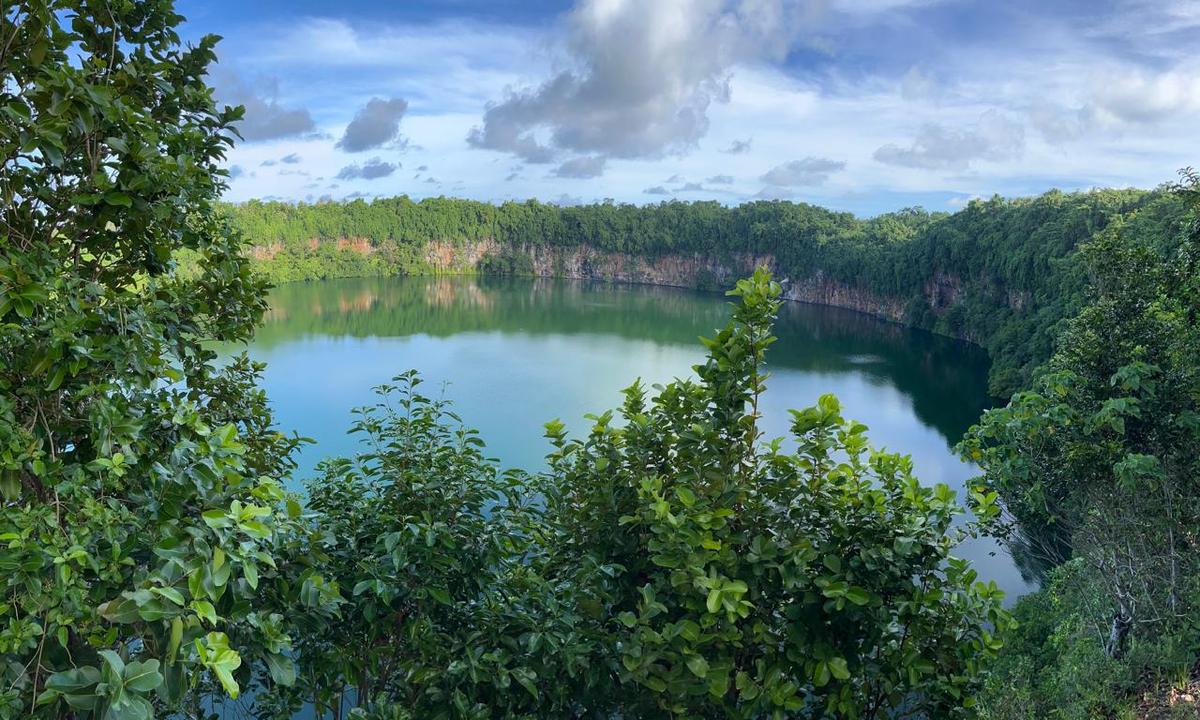
Most visit Tuatafa Beach purely for its scenery, but the black sand beach on Futuna is known among locals for a very different reason.
This spectacular stretch of black volcanic sand creates a dramatic contrast against the clear waters, making it one of Futuna's most photographed beaches. According to locals, legend has it that if you make too much noise after dark, the waves keep coming and take you to Polotu (the afterlife), so time your visit well!
This beach also holds historical significance, as 1839 marked the last big battle between kingdoms on Futuna.
Just a few metres south of the black sand, you'll discover an incredible natural swimming pool, known as "Piscine Bleue". We recommend visiting at incoming high tide for the safest experience.
The geological formations here are truly remarkable to explore with a snorkel, mask and fins, with protected pools closer to shore offering safe spots for less confident swimmers.
As day turns to evening, prepare to be captivated by some of the most glorious sunsets you'll ever witness. The black sand provides the perfect vantage point to watch the sun melt into the Pacific horizon, painting the sky in brilliant oranges and pinks.
For more beaches to comb, check out the 10 Best Beaches in Wallis & Futuna.
RT 1, Tuatafa, Sigave, northeast coast of Futuna. Located approximately 1 km (0.6 mi) north of Tuatafa church.
More About Historical Sites and Landmarks in Wallis & Futuna
Now that you know some of the fascinating historical sites in Wallis and Futuna, how about finding more through the following guides:
- 10 Best Cultural Activities in Wallis and Futuna
- Sightseeing in Wallis & Futuna: Top 10 Sights in Wallis & Futuna
- 5 Best Churches in Wallis and Futuna to Experience as a Visitor
Finally, complete your itinerary with the 101 Best Things to Do in Wallis and Futuna: The Ultimate List.

-U%20CREDIT%20WallisandFutunaPocketGuide.com-900x507.webp?v=2026-04-07T00%3A41%3A45.444Z)