The Top Tourist Attractions in Wallis and Futuna
What is there to see in the Wallis and Futuna? From historical cannibal ovens on Futuna to the paradise islets of Wallis, there are plenty of tourist attractions in Wallis and Futuna that entice any snap-happy traveller.
Discover some of the most iconic sights in this French collectivity in this guide to sightseeing in Wallis and Futuna.
This article is based on real on-the-ground research, not on AI scraping old content from the internet. Learn how we use AI!
Table of Contents
1.Lake Lalolalo (Wallis)
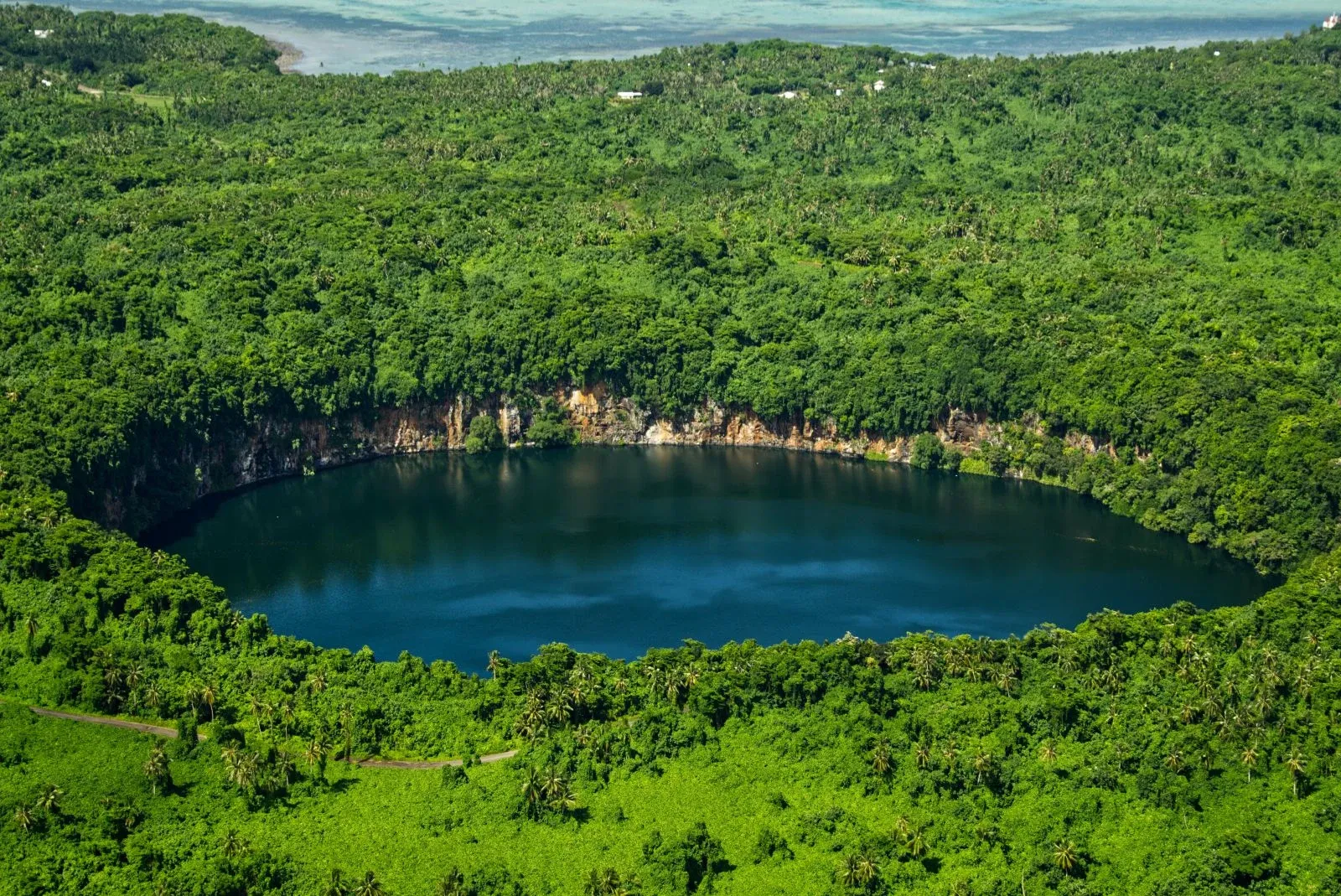
A must-see on Wallis, Lake Lalolalo or Lac Lalolalo, offers one of the most symmetrically stunning inland attractions.
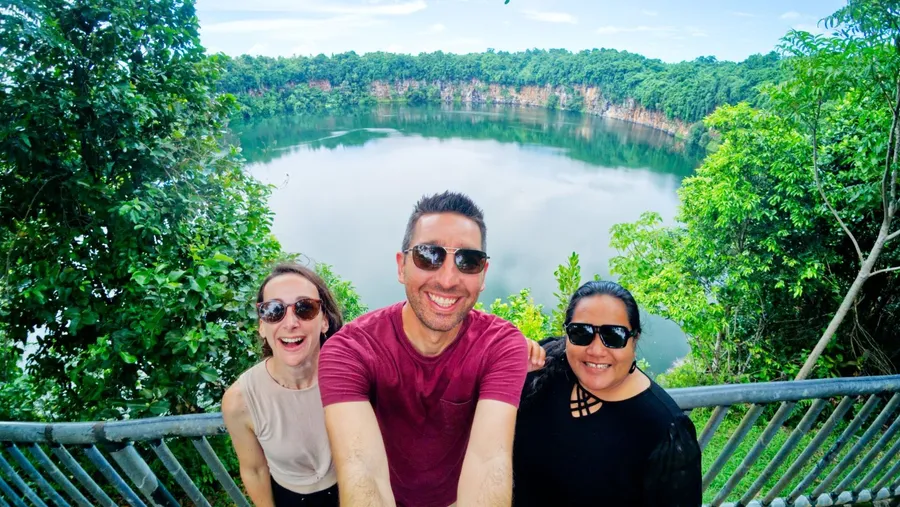
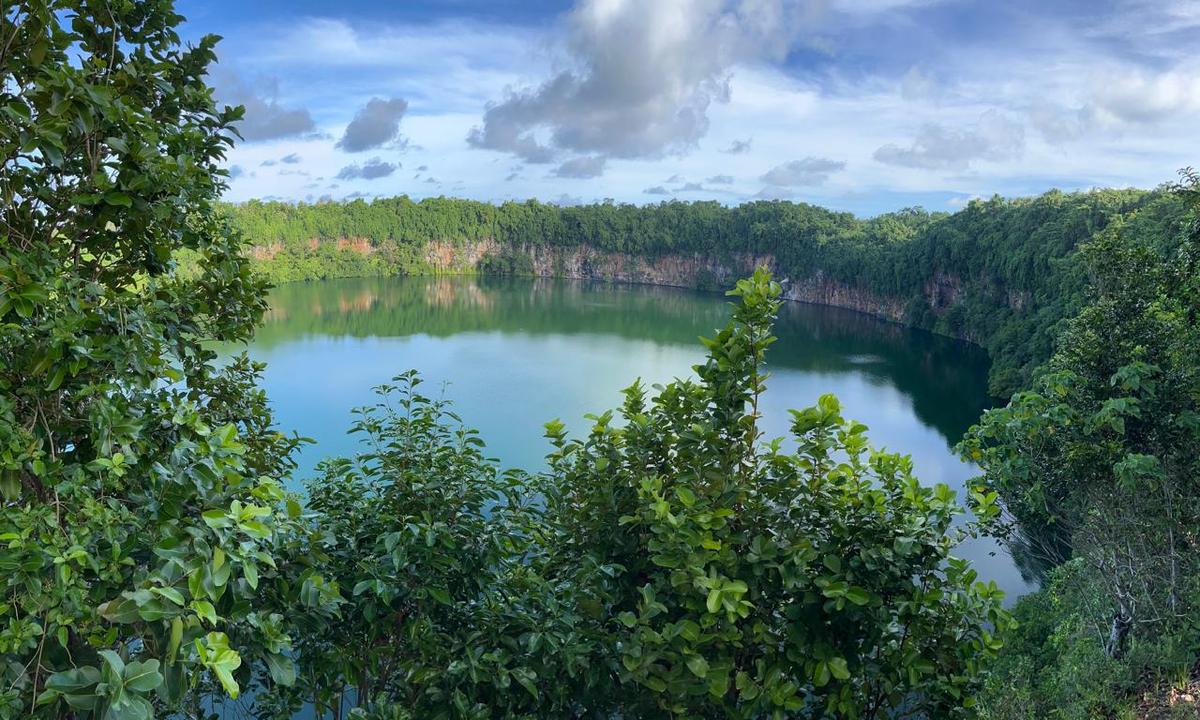
As you walk to the end of the concrete platform at the crater's edge, the view of the perfectly circular crater lake widens before you, plunging at least 80 m (262 ft) deep and stretching 450 m (1,476 ft) across. The ancient volcano emanates an almost supernatural sense of being untouched by time.
The sulphurous depths harbour endemic blind eels that have adapted to this unique freshwater environment over millennia. Surrounding the lake, pristine virgin rainforest creates a natural amphitheatre, while bright white tropicbirds soar around the lake during the day and massive fruit bats soar overhead at twilight.
While its perfectly circular formation can only really be appreciated from the sky, nothing beats the feeling of standing on the edge of what is Wallis and Futuna's most spectacular natural attraction.
For more natural sights like this, check out The Top 10 Natural Wonders in Wallis & Futuna.
RT1, Ahoa, Hahake, east coast of Wallis. The car park is midway between Ahoa and Mala'etoli villages. The best approach is from the south from Mala'etoli. The road is a gravel road for approximately 1 km (0.6 mi), then the road turns to rough dirt road with large holes for the last 300-400 m (330-440 yards) where a 4WD (or going on foot) is recommended.
2.Mata'Utu Cathedral (Wallis)
-%20BNCC%20CREDIT%20WallisandFutunaPocketGuide.com-900x633.webp?v=2026-04-07T00%3A30%3A59.437Z)
Ever visible on the waterfront of Wallis' capital, Mata'Utu Cathedral is a symbol of Wallis and Futuna's dedicated Catholic population.
This magnificent national monument of France dominates the Mata'Utu landscape. Many can't help but be amazed by its imposing blue volcanic stone, whose construction began in 1951. Each stone was hand-chiselled and carefully trimmed by the Marists, the French Roman Catholic religious order that brought Catholicism to Wallis.
The cathedral's two prominent rectangular towers frame a distinctive blue Maltese cross, the royal insignia of Wallis that also graces the island's flag. As the seat of the Diocese of Wallis and Futuna, this massive structure represents what historians call a "bulwark of Gaulish Catholicism" in the Pacific.
Needless to say, we highly recommend timing your visit for Sunday morning mass, which typically starts at 7 am and runs for about an hour.
Daily masses also take place in smaller village chapels throughout the island. However, when local chapels become too small for their growing congregations, residents from outer villages make the journey to Mata'utu Cathédrale, creating a wonderful sense of island-wide community.
Learn more about the significance of Catholicism in Wallis and Futuna in The Guide to the Religions in Wallis & Futuna.
Mata'Utu, Hahake, east coast of Wallis. On the waterfront road near the wharf.
3.Kolonui Fort (Wallis)
-SEB%20CREDIT%20WallisandFutunaPocketGuide.com.webp?v=2026-04-12T02%3A49%3A50.410Z)
The best-preserved example of a Tongan fort in the world, Kolonui Fort at La Résidence de Taleitumu, is as intriguing as it is rare.
This remarkably well-maintained historical site was built around 1450 during the expansion of the Tu'i Tonga Empire and served as the last holdout of the Tongans on Uvea until their eventual defeat. The entire fortress is surrounded by impressive defensive walls constructed from black basalt stone, featuring several strategic entrances that once controlled access to this sacred stronghold.
Inside the fort, you'll discover preserved foundations set amongst manicured lawns, leading up to an elevated platform called Talietumu, a marae or sacred place of circular prolonged shape built upon a circular stockade base.
For more historical sites to scout out, check out the 10 Best Historical Sites in Wallis & Futuna.
Halalo, Mu'a, southern district of Wallis. Signposts from the main road (RT 1) lead to an inland dirt road near the Mala'efo'ou Cemetery. Although the road is a dirt road, it is flat and suitable for most vehicles with care.
4.Nukuhifala (Wallis)
%20CREDIT%20WallisandFutunaPocketGuide.com-900x601.webp?v=2026-04-14T19%3A57%3A18.757Z)
One of Wallis' glorious motu, Nukuhifala sits on the eastern edge of the lagoon with plenty to explore on such a small speck of sand.
This charming island features both concrete structures and traditional fales with authentically woven roofs, all set amongst swaying coconut palms and white sandy shores. (Ah, paradise!)
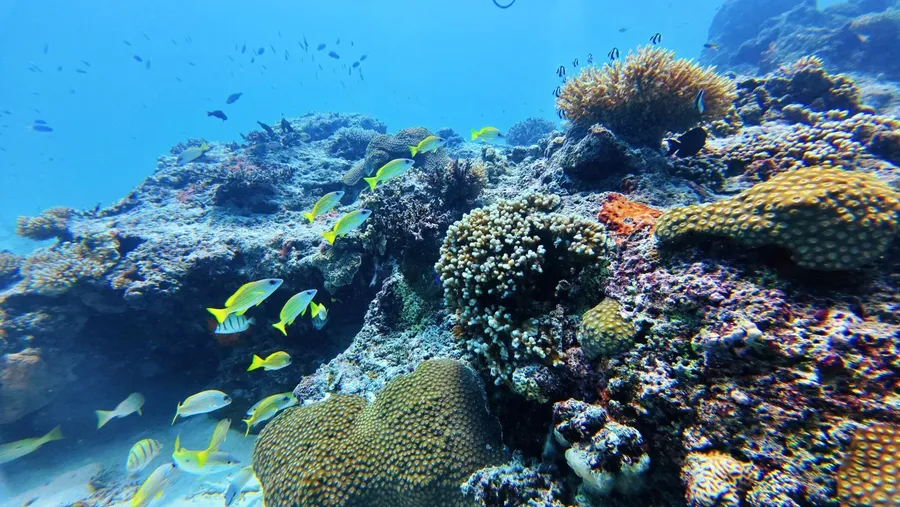
The azure waters surrounding the island provide excellent opportunities for both surface exploration and underwater adventures. Beginners will particularly appreciate the accessible snorkelling conditions, with several coral areas situated at comfortable depths close to shore.
Whether you're seeking relaxation on the beach or eager to discover the vibrant marine life below, Nukuhifala delivers the quintessential island experience that's easily accessible yet feels wonderfully remote.
See how to get to this islet with How to Catch a Water Taxi in Wallis & Futuna + 5 Best Taxi Boats.
Nukuhifala, off the east coast of Wallis. Accessible via taxi boat with Vaka La, located on the northern end of Liku village, east coast of Wallis.
Editor's Choice
Wallis Voyages
Discover the heart and soul of Wallis (Uvea) on our comprehensive 4-hour guided tour. We'll whisk you from your accommodation to explore the island's most captivating sites, from the revered royal...
5.Poï Basilica (Futuna)
%20CREDIT%20WallisandFutunaPocketGuide.com-900x601.webp?v=2026-04-07T01%3A16%3A37.044Z)
For Catholics in the South Pacific, Poï Basilica is a significant pilgrimage site and a noteworthy attraction for tourists of all faiths.
You'll discover three main attractions here: the impressive main Basilica, the unique hexagonal Saint Pierre Chanel Chapel, and the fascinating Museum of Saint Pierre Chanel. There's even the grave of the person who killed Saint Pierre (and locals actually encourage visitors to stomp on it).
The museum is split into three engaging sections that take you through Saint Pierre's remarkable journey. You'll find traditional artefacts, precious relics from the saint's life, and touching donations from pilgrims who've made the journey here over the years.
A timeline along the wall traces Saint Pierre's life from his early days right up to the museum's opening in 2021. But it's not just about the saint; you'll also discover ancient pottery and fascinating archaeological finds, including a clay sculpture of a turtle that's the oldest relic ever found on Futuna.
Every year on 28 April, the anniversary of Saint Pierre's martyrdom, the basilica transforms into the epicentre of vibrant celebrations honouring the patron saint of Oceania.
On any other day, you can explore the beautifully maintained grounds and learn about the fascinating history of Catholic evangelisation in Polynesia.
Poï, Alo, northeast coast of Futuna.
6.Fai'umu O Pāpā (Futuna)
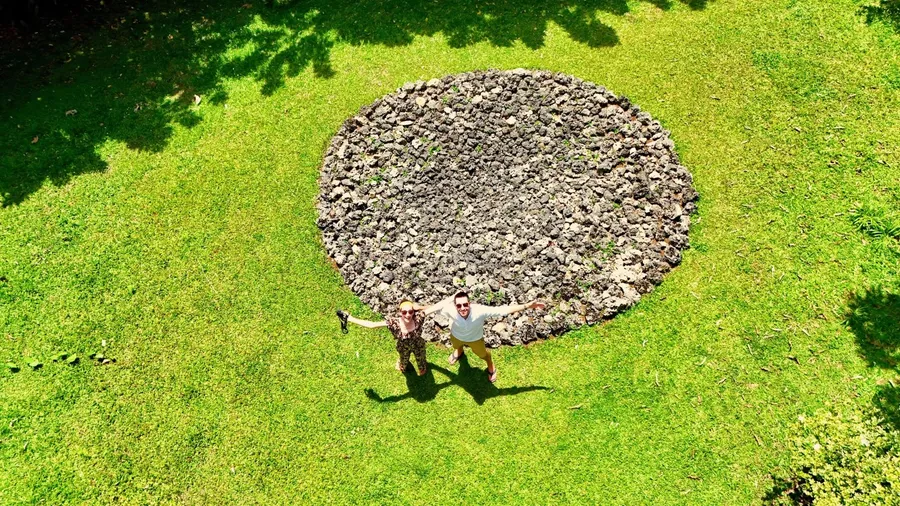
Also known as the "Le Four Cannibale", Fai'umu O Pāpā is, indeed, a large rock oven once used for cooking humans. Tasty.
You'll find this archaeological site absolutely fascinating, centred around a massive circular stone umu (a traditional earth oven) marking where the ancient village of Asoa once thrived. What makes this place truly captivating isn't just the impressively preserved stonework, but the chilling legend that locals still whisper about today.
According to locals, a rival clan hatched a deadly plot to overthrow the village chief, the Tui Asoa.
The story goes that they murdered the food servant of Pāpā, a legendary warrior who protected the village, then cooked and served the body to him in this very umu. When Pāpā complimented the exceptional taste (not knowing what he was eating), the clan saw their chance and continued their gruesome plan.
They systematically eliminated the chief's entire clan until only a grandmother and three children remained. The children managed a dramatic escape to Loka, where legend says they transformed into dolphins.
For more of our favourites in Futuna, check out the 15 Best Things to Do on Futuna.
Asoa, Alo, Futuna. From the crossroads just south of Croix de Sacré Coeur de Jésus, head east approximately 500 m (550 yards). The Cannibal site is on the left.
7.Loka Cave (Futuna)
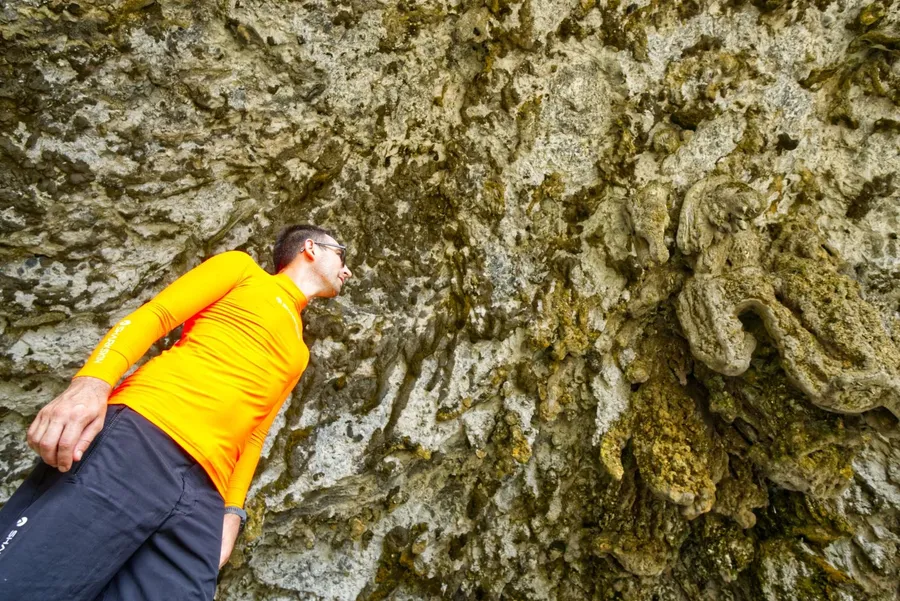
Hidden deep in the jungle on Alofi Island, Loka Cave is an amazing sight to soak in the limestone formations and admire the spiritual decorations left by pilgrims.
To get to Loka Cave, you'll embark on a 4 to 5-hour return hike following ancient pathways laid by forefathers, leading to breathtaking beach accesses, fascinating archaeological sites and the legendary Loka Cave.
Your first stop in the Loka area is Loka Beach with traditional fales. According to local tradition, this is where three children transformed into dolphins while fleeing persecution, making it Futuna's premier dolphin-watching location and a place of deep cultural significance.
Follow the trail at the north end of the beach along the bottom of the cliffs with rope walkways and concrete steps to find Loka Cave itself, a pilgrimage site with a concrete pool containing drinking water and another pool with holy water.
The cave beach offers excellent shore fishing at low tide, while nearby, toward the southern end of Loka Beach, you'll find a natural coral pool best explored when the waters are calm.
The 15 km (9 mi) trail is easy to follow, with the easiest being the stone-walled inland forest trail with a few signposts along the way.
To make a loop, come back via Ganiu Beach (signposted). We recommend starting early and bringing your own food and water for this rewarding expedition.
Check out more walks like this in the 10 Best Walks & Hikes in Wallis & Futuna.
Northeast coast of Alofi. The start of the trail is accessible from Alofitai Beach, which in turn is accessible by boat from Vele Boat Landing, Vele, the northeast coast of Futuna. Trails are well formed behind the ceremonial fales or along the coast at the eastern end of the beach.
8.Vele Beach (Futuna)
-U%20CREDIT%20WallisandFutunaPocketGuide.com-900x507.webp?v=2026-04-07T00%3A41%3A45.444Z)
If you're more into natural sights, Vele Beach, both above and below the surface, is well worth exploring.
Three distinct beach areas provide different experiences, with the main highlight being "Papalagis", a beloved spot where families and expats (nicknamed Papalagis, pronounced "papa-lan-gees") regularly gather.
The primary beach offers excellent near-shore swimming and exceptional snorkelling at high incoming tide, particularly when heading west with fins. Adventurous snorkellers can embark on a thrilling 950 m (1,040 yard) journey along the mild current to the Vele Boat Ramp, though you'll need to walk back to your starting point.
Scuba divers can access fascinating small canyons directly from Papalagis, whilst two additional quieter white sand beaches near the airport flag and eastern runway provide peaceful alternatives when the main beach gets busy.
Add more beaches to your bucket list in the 10 Best Beaches in Wallis & Futuna.
Vele, Alo, southeast coast of Futuna. Take the road on the southern side of the Vele Airport runway to access all three beaches. The road loops around the other side of the runway.
Where to Stay
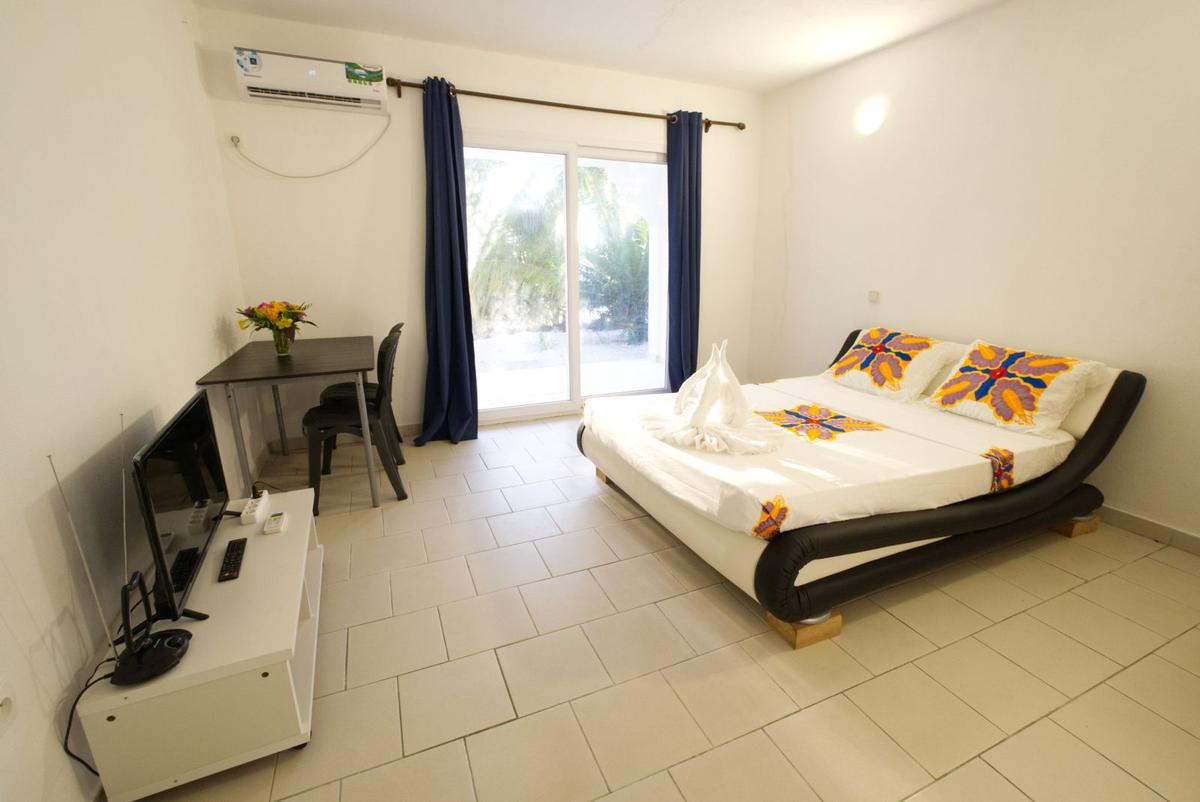
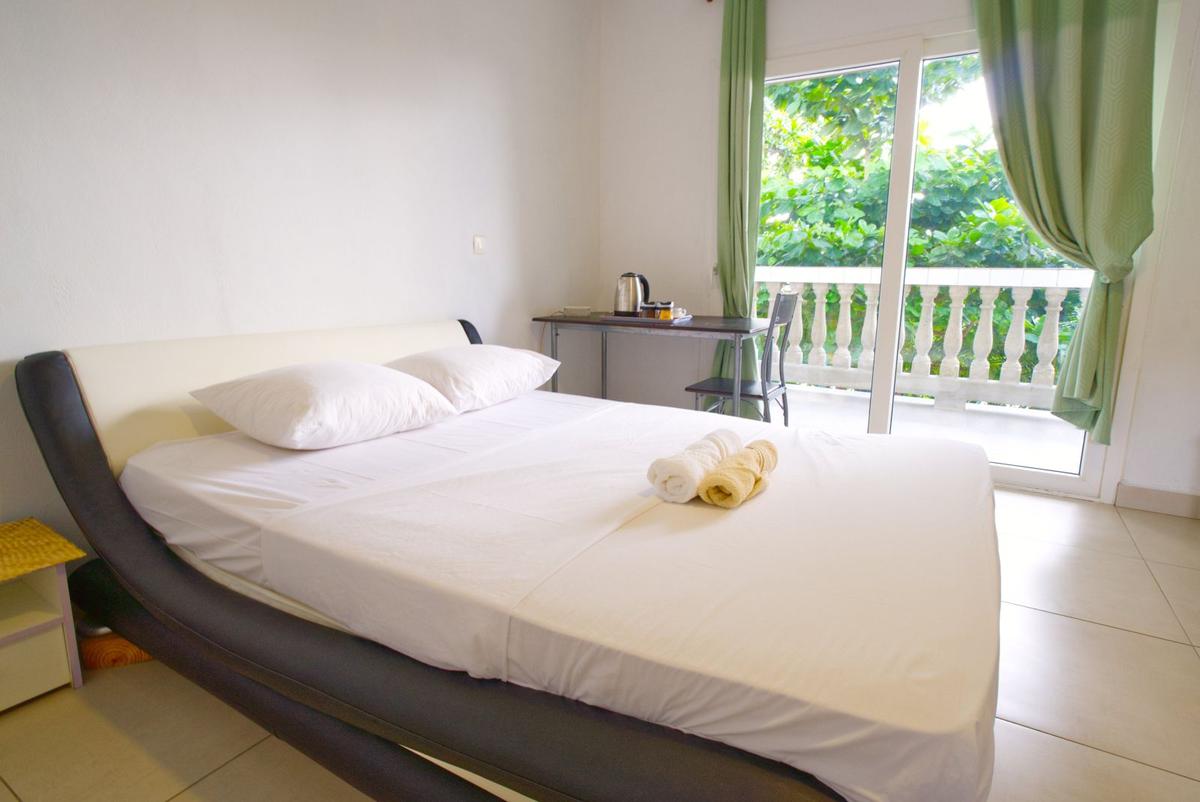
Afiafi Hotel
Double Room · Triple Room
NZ$153/night
9.Vilamalia Viewpoint (Futuna)
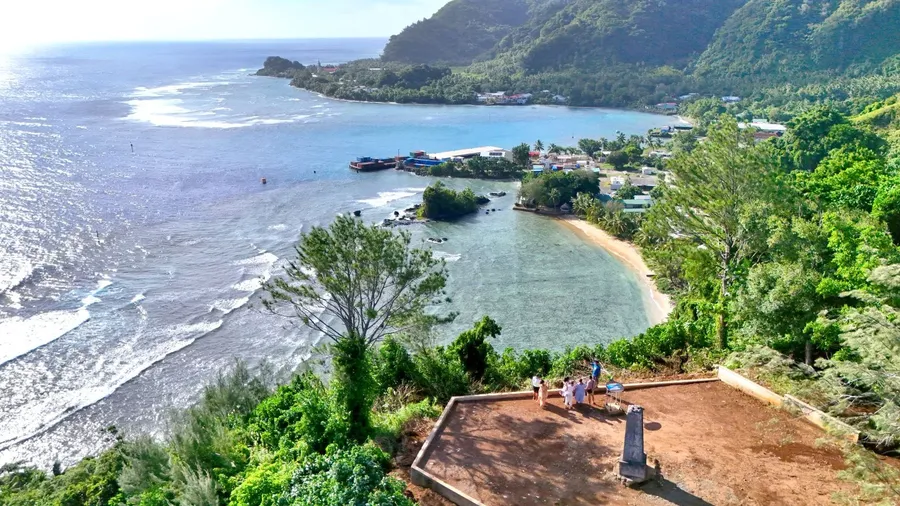
Futuna has no lack of stunning lookouts, with one of the highlights being the Vilamalia Viewpoint, along with the Église de Vilamalia.
An informative panel at the viewpoint helps identify the key landmarks visible from this elevated vantage point. Just behind the viewpoint stands the charming Eglise de Vilamalia, a beautiful church that's usually open for visitors to explore and represents some of the finest architecture on the island.
The site holds particular historical significance; a small statue of the Virgin Mary marks the original location of an earlier church destroyed in the devastating 1993 earthquake. When the new church was rebuilt further back from the cliff edge, this statue was left in its original position and fitted with a light, creating an impromptu lighthouse that serves as both a spiritual beacon and practical navigation aid for boats below.
For more churches in premium places, check out the 10 Best Churches in Wallis & Futuna to Experience as a Visitor.
Leava, Alo, south coast of Futuna. Take the inland road approximately 850 m (930 yards) south of the Delegation Office in Leava town centre. The road is a narrow gravel road, so take care.
10.Vanai Tomb (Futuna)
-SE%20CREDIT%20WallisandFutunaPocketGuide.com-900x601.webp?v=2026-04-07T00%3A54%3A44.228Z)
Futuna is rich in history, which archaeologists at Mataga Mea o Futuna Eco Tourisme are eager to share with visitors.
One of the more fascinating tombs on the island, in our humble opinion, is the tomb of Vanai that comes with a somewhat harrowing backstory.
This burial ground holds the remains of a powerful chief who witnessed pivotal moments in the island's past, including the arrival of Saint Pierre Chanel in the 1840s and the famous Black Sand Beach Battle between rival kingdoms.
Archaeological excavations have revealed the traditional practice where family members were buried alive alongside deceased royalty, along with precious jewellery and ceremonial objects. The site offers a haunting glimpse into pre-Christian Futuna, where powerful chiefs ruled with absolute authority and elaborate burial customs honoured their passing.
What makes this site particularly poignant is its connection to the island's conversion to Catholicism under Tui (King) Vanai's rule, when St Pierre Chanel arrived to treat wounded warriors and advocate for peace during violent territorial conflicts.
RT 1, Vaisei, Sigave, northwest coast of Futuna. Located immediately north of Chapelle Saint Joseph.
More Amazing Sights in Wallis and Futuna
Now that you know some of the best places for sightseeing in Wallis and Futuna, discover more of the top sights in Wallis and Futuna listed in the guides below:
- The 5 Most Famous Places in Wallis and Futuna
- The Top 10 Natural Wonders in Wallis and Futuna
- 10 Best Sightseeing Tours in Wallis & Futuna
Finally, add more to the bucket list using the 101 Best Things to Do in Wallis and Futuna: The Ultimate List. Plus, work out all the logistics of planning a Wallis and Futuna getaway in The Best Wallis and Futuna Travel Guide.