

%20Car%20Rental%20Haviti%20CREDIT%20WallisandFutunaPocketGuide.com.webp?v=2026-04-24T00%3A51%3A39.709Z)
The Most Amazing Natural Attractions in Wallis and Futuna
Hidden in the heart of the Pacific, Wallis and Futuna are natural wonders waiting to be discovered. These remote islands offer some of the most spectacular and unspoilt landscapes you'll find anywhere in Polynesia.
Wallis enchants visitors with its gorgeous lagoon, fringed by picture-perfect motu that seem to float like emeralds on the turquoise waters. The island's perfectly circular lakes are geological marvels that will leave you speechless.
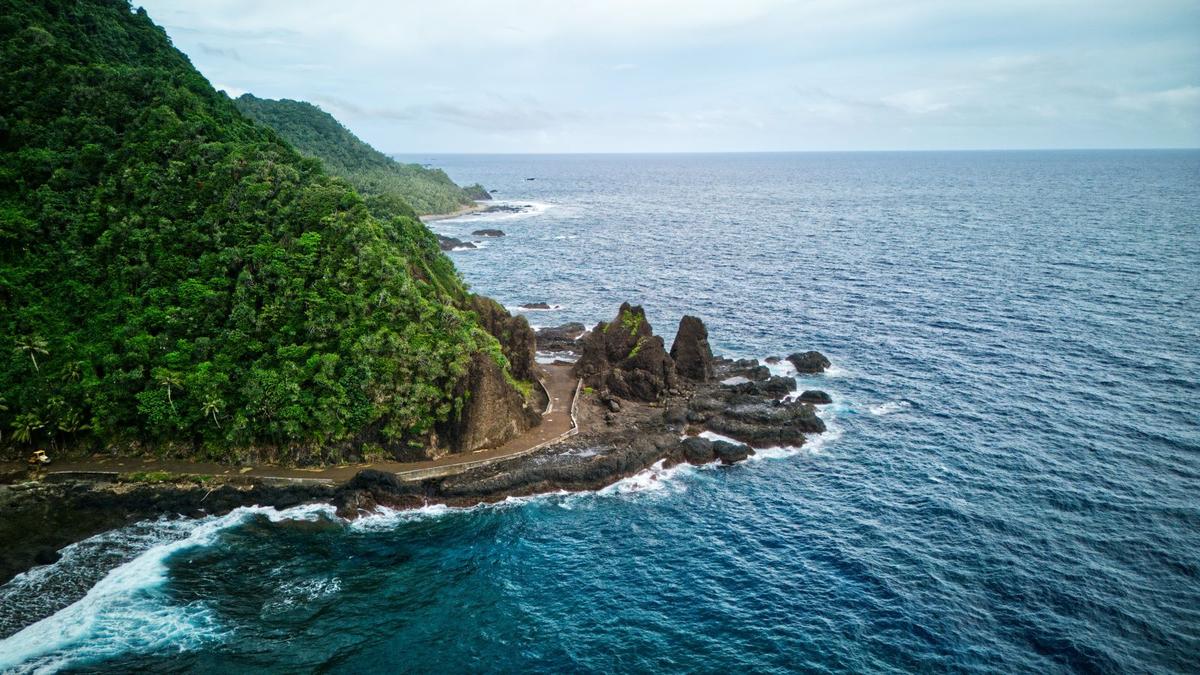
Meanwhile, volcanic and mountainous Futuna rises dramatically from the ocean, its rugged peaks and pristine forests creating a natural paradise that feels untouched by time. Meanwhile, hidden limestone caves reveal ancient secrets beneath the surface.
Ready to explore these extraordinary natural wonders? Read on to discover the breathtaking landscapes that make Wallis and Futuna one of the Pacific's best-kept secrets.
This article is based on real on-the-ground research, not on AI scraping old content from the internet. Learn how we use AI!
Table of Contents
1.Lake Lalolalo (Wallis)
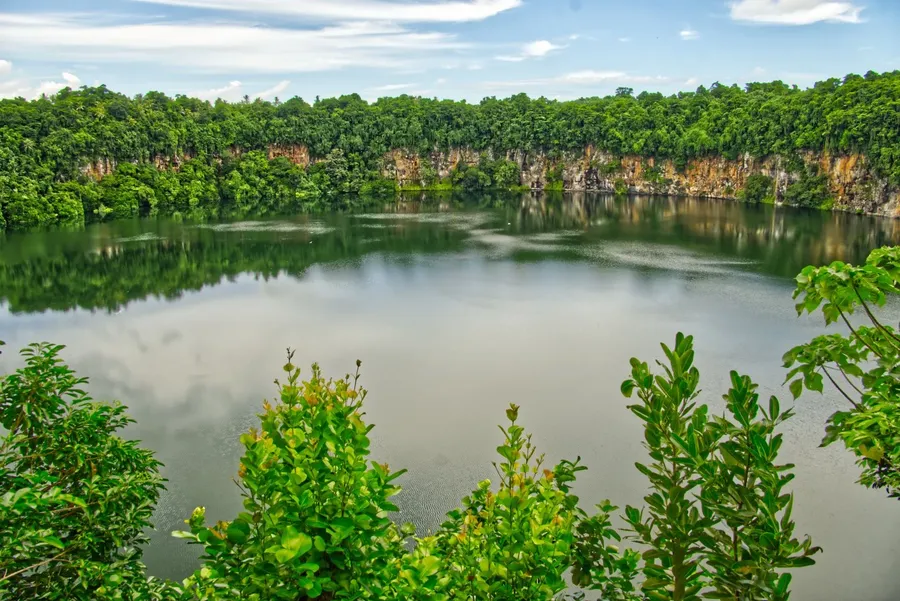
Lake Lalolalo, or Lac Lalolalo, offers one of the most mystical and visually stunning natural experiences you'll find in Wallis.
As you walk to the end of the concrete platform at the crater's edge, the view of the perfectly circular crater lake widens before you, plunging at least 80 m (262 ft) deep and stretching 450 m (1,476 ft) across. The ancient volcano emanates an almost supernatural sense of being untouched by time.
The sulphurous depths harbour endemic blind eels that have adapted to this unique freshwater environment over millennia. Surrounding the lake, pristine virgin rainforest creates a natural amphitheatre, while bright white tropicbirds soar around the lake during the day and massive fruit bats soar overhead at twilight.
While its perfectly circular formation can only really be appreciated from the sky, nothing beats the feeling of standing on the edge of what is Wallis and Futuna's most spectacular natural attraction.
Continue your Uvea bucket list with the 20 Best Things to Do on Wallis (Uvea).
RT1, Ahoa, Hahake, east coast of Wallis. The car park is midway between Ahoa and Mala'etoli villages. The best approach is from the south from Mala'etoli. The road is a gravel road for approximately 1 km (0.6 mi), then the road turns to rough dirt road with large holes for the last 300-400 m (330-440 yards) where a 4WD (or going on foot) is recommended.
2.Mt Puke (Futuna)
-900x675.webp?v=2026-04-11T20%3A31%3A07.461Z)
A natural marvel waiting to be conquered, Mt Puke (also known as Mt Singavi) is Futuna's highest peak, rising 524 m (1,719 ft) above sea level.
This challenging 5-6-hour return trail demands experienced hiking skills as you navigate through dense tropical jungle in northern Futuna, but the effort pays dividends with jaw-dropping panoramic views stretching across both land and seascapes. The ascent tests your endurance whilst immersing you in pristine rainforest, complete with native flora and the sounds of tropical birdlife.
At the summit, you'll be rewarded with breathtaking 360-degree vistas that showcase Futuna's dramatic coastline, neighbouring islands and the endless Pacific Ocean beyond.
The trail is not signposted, so it's recommended to go with a guide. Ask your accommodation host to arrange a guide, or guides can be arranged with Mataga Me'a o Futuna Eco Tourisme.
For more about the walk, check out the 10 Best Walks & Hikes in Wallis & Futuna.
Northern Futuna, accessed via hiking/dirt trails from the villages of Tutafa on the northeast coast and Taoa on the south coast.
3.Mt Lulu (Wallis)
-SEB%20CREDIT%20WallisandFutunaPocketGuide.com-900x633.webp?v=2026-04-14T20%3A09%3A54.730Z)
Taxi Boat Afala
from NZ$255
Standing at just 145 m (476 ft) above sea level, Mt Lulu may be Wallis's tallest peak, but its modest height makes it an accessible natural wonder for visitors of all fitness levels.
The dirt road that circumvents the mountain can be driven, but we personally recommend exploring on foot to fully appreciate the wildlife encounters and natural surroundings.
The trail follows the outside of the crater through dense bush, creating a peaceful 20-minute walk covering 1.7 km (1.1 mi). As evening approaches, you'll have the chance to witness fruit bats soaring overhead, which makes the trek worthwhile.
Another highlight of the journey is discovering the Croix de Mt Lulu, an impressive white cross positioned where the trees break to reveal glimpses of the surrounding landscape.
While not offering the island's most spectacular views, this gentle hike provides an easy introduction to Wallis's volcanic geography and unique ecosystem.
RT2, Mala'e, Hihifo, Wallis. At the RT3/RT2 roundabout, head north for approximately 750 m (820 yards) and turn left past the high school where Mt Lulu is signposted. Continue on the dirt road for about 550 m (600 yards) where the road/track then circumvents Mt Lulu.
4.Loka Cave (Futuna)
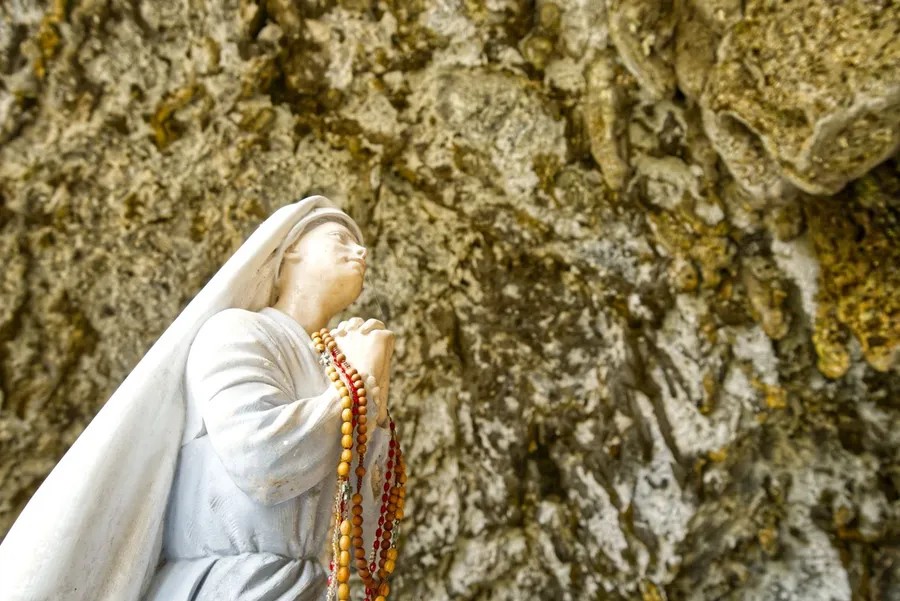
Journey to Alofi, the territory's third-largest island which faces Futuna, where adventure awaits those seeking one of the South Pacific's most secluded natural treasures. The Loka Cave adventure begins with a boat transfer to this uninhabited island, followed by an epic trek across rugged coastal terrain.
To get to Loka Cave, you'll embark on a 4 to 5-hour return hike following ancient pathways laid by forefathers, leading to breathtaking beach accesses, fascinating archaeological sites and the legendary Loka Cave.
Your first stop in the Loka area is Loka Beach with traditional fales. According to local tradition, this is where three children transformed into dolphins while fleeing persecution, making it Futuna's premier dolphin-watching location and a place of deep cultural significance.
Follow the trail at the north end of the beach along the bottom of the cliffs with rope walkways and concrete steps to find Loka Cave itself, a pilgrimage site with a concrete pool containing drinking water and another pool with holy water.
The cave beach offers excellent shore fishing at low tide, while nearby, toward the southern end of Loka Beach, you'll find a natural coral pool best explored when the waters are calm.
The 15 km (9 mi) trail is easy to follow, with the easiest being the stone-walled inland forest trail with a few signposts along the way.
To make a loop, come back via Ganiu Beach (signposted). We recommend starting early and bringing your own food and water for this rewarding expedition.
For more Futuna favourites, check out the 15 Best Things to Do on Futuna.
Northeast coast of Alofi. The start of the trail is accessible from Alofitai Beach, which in turn is accessible by boat from Vele Boat Landing, Vele, the northeast coast of Futuna. Trails are well formed behind the ceremonial fales or along the coast at the eastern end of the beach.
Editor's Choice
Taxi Boat Afala
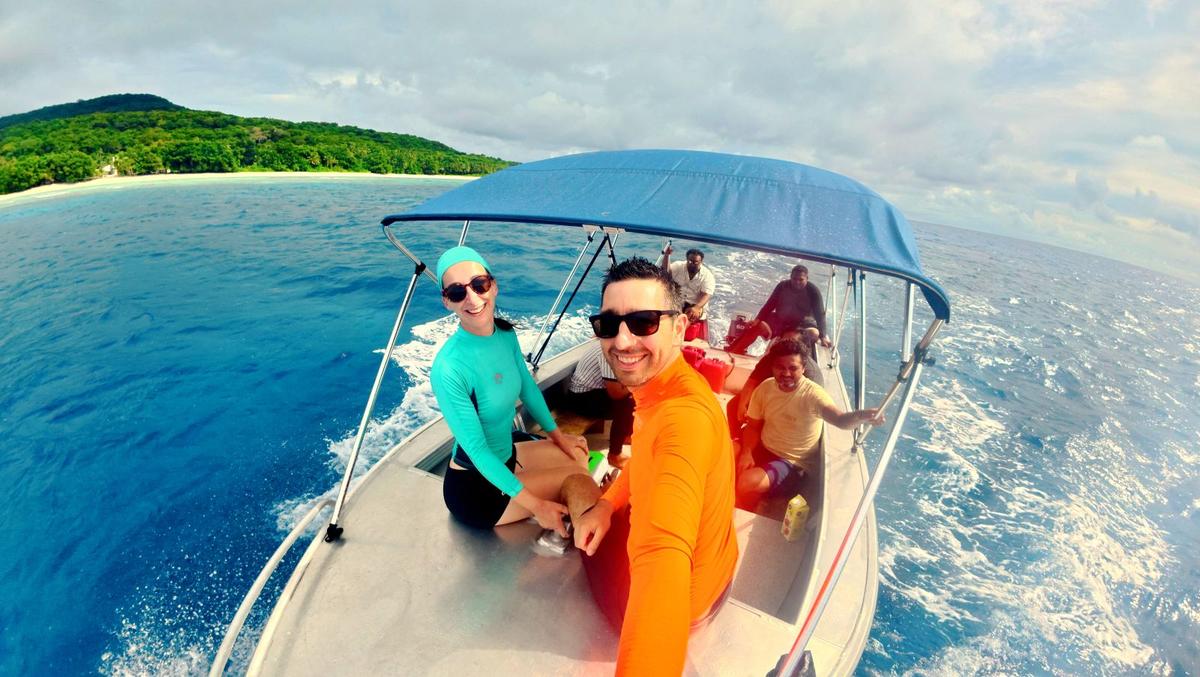
Discover the stunning beauty of Alofi Island on this captivating 1.5-hour boat tour with Taxi Boat Afala. Departing from Vele, we'll cruise around this dramatic uninhabited island, sharing ancient...
5.Alofitai Beach (Futuna)
-SEB%20CREDIT%20WallisandFutunaPocketGuide.com-900x601.webp?v=2026-04-07T00%3A43%3A07.745Z)
Speaking of Alofi, one of the archipelago's most stunning beaches, Alofitai Beach lies on this uninhabited island, where powdery white sand meets crystal-clear waters in perfect tropical harmony.
This pristine 1 km (0.6 mi) stretch of uninterrupted coastline offers the ultimate beach day experience, complete with natural shade from spreading tilo trees (feta'u in Wallisian, commonly known as "beautyleaf" in English).
If you're keen on snorkelling, you'll love what's waiting beneath the surface. The shallows are perfect for spotting colourful fish, while strong swimmers can venture just beyond the reef during incoming high tide for an even more spectacular underwater experience.
When you need a break from the sun (or a quick escape from a tropical shower), you'll find traditional fales dotted behind Alofitai Beach. Head towards the eastern side of the beach, near the inland hiking trail, where the public fales are located in the open ceremonial area close to the public toilets.
Beyond simply lounging on the sand, you'll discover fascinating historical and natural attractions within walking distance. Don't miss the island's first freshwater well, the charming Chapelle Mafutapu, and the historical Vaivevela Hot Water Springs, which were once used by nuns as healing waters.
For more beaches to take your breath away, check out the 10 Best Beaches in Wallis & Futuna.
North coast of Alofi. Accessible by boat from Vele Boat Landing, Vele, northeast coast of Futuna.
6.Tuatafa Black Sand Beach (Futuna)
-SEB%20CREDIT%20WallisandFutunaPocketGuide.com-900x601.webp?v=2026-04-07T01%3A05%3A01.958Z)
Tautai
from NZ$170
Venture to Tuatafa Beach in the far north of Futuna for a beautiful landscape of contrasts and historical significance.
This spectacular stretch of black volcanic sand creates a dramatic contrast against the clear waters, making it one of Futuna's most photographed beaches. According to locals, legend has it that if you make too much noise after dark, the waves keep coming and take you to Polotu (the afterlife), so time your visit well!
This beach also holds historical significance, as 1839 marked the last big battle between kingdoms on Futuna.
Just a few metres south of the black sand, you'll discover an incredible natural swimming pool, known as "Piscine Bleue". We recommend visiting at incoming high tide for the safest experience.
The geological formations here are truly remarkable to explore with a snorkel, mask and fins, with protected pools closer to shore offering safe spots for less confident swimmers.
As day turns to evening, prepare to be captivated by some of the most glorious sunsets you'll ever witness. The black sand provides the perfect vantage point to watch the sun melt into the Pacific horizon, painting the sky in brilliant oranges and pinks.
RT 1, Tuatafa, Sigave, northeast coast of Futuna. Located approximately 1 km (0.6 mi) north of Tuatafa church.
7.Wallis' Uninhabited Islets (Wallis)
%20CREDIT%20WallisandFutunaPocketGuide.com-900x601.webp?v=2026-04-14T20%3A08%3A48.147Z)
Wallis has 15 smaller surrounding islets (motu) within its lagoon, all enclosed by a barrier reef.
Popular islands to visit include the Islet of St Christophe, available from Halolo in the south, and Nukula'ela'e, accessible from Vailala in the north, and Kaviki, accessible from Liku to the east.
Some motu have quaint chapels whilst others are completely undeveloped with powdery white sands, excellent snorkelling, and butter-flat lagoons ideal for watersports like kitesurfing and outrigger canoeing (vaka).
Escape to the pristine outer islands of Wallis for an unforgettable island-hopping adventure across 15 stunning motu scattered throughout the azure lagoon.
Each islet offers its own unique character, from sacred spots featuring charming traditional chapels to completely untouched paradises boasting powdery white sand beaches.
In between, the butter-flat lagoons provide perfect conditions for snorkelling amongst vibrant coral reefs, whilst watersports enthusiasts can enjoy kitesurfing and traditional outrigger canoeing (vaka) in these protected waters.
Various motus accessible by boat from Halalo, Gahi and Vailala village, Wallis.
8.Lake Lanutavake (Wallis)
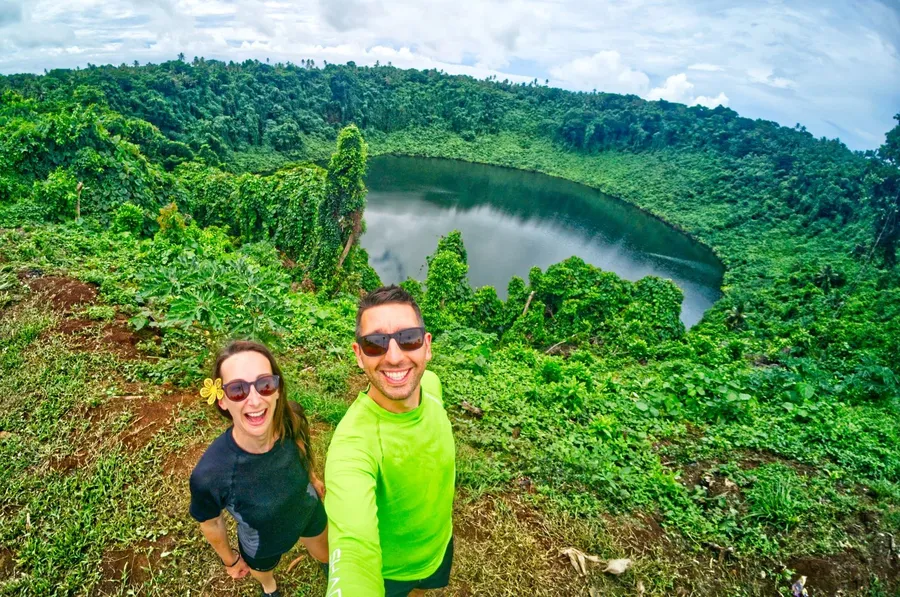
Lake Lanutavake (Lac Lanutavake) is a small crater lake surrounded by lush jungle on the southwest side of Wallis.
Similar in appearance to Lake Lalolalo, Lanutavake offers much easier access with full paved road access, making it a convenient stop if you have a smaller rental car LINK#T007.
There's a perfect spot to pull over from the roadside and admire the dramatic drop into the perfectly circular crater. The walls are covered in verdant jungle that plunges dramatically into the dark waters below, creating a truly stunning spectacle.
Whilst it might not be a treat for all the senses (locals have a habit of using it as an unofficial rubbish tip), it certainly is a feast for the eyes and well worth the quick detour.
Mt Mauga access road, Mt Mauga, Mu'a, southern district of Wallis. Access is from the southern end of RT 2.
Editor's Choice
Tautai
Embark on an unforgettable full-day photography boat tour around Futuna's stunning coastline with us. Departing at 7am, we'll glide past historic villages, sacred chapels, and dramatic natural...
9.Alofitai Reef (Futuna)
%20CREDIT%20WallisandFutunaPocketGuide.com.webp?v=2026-04-07T00%3A48%3A06.169Z)
Taxi Boat Afala
from NZ$425
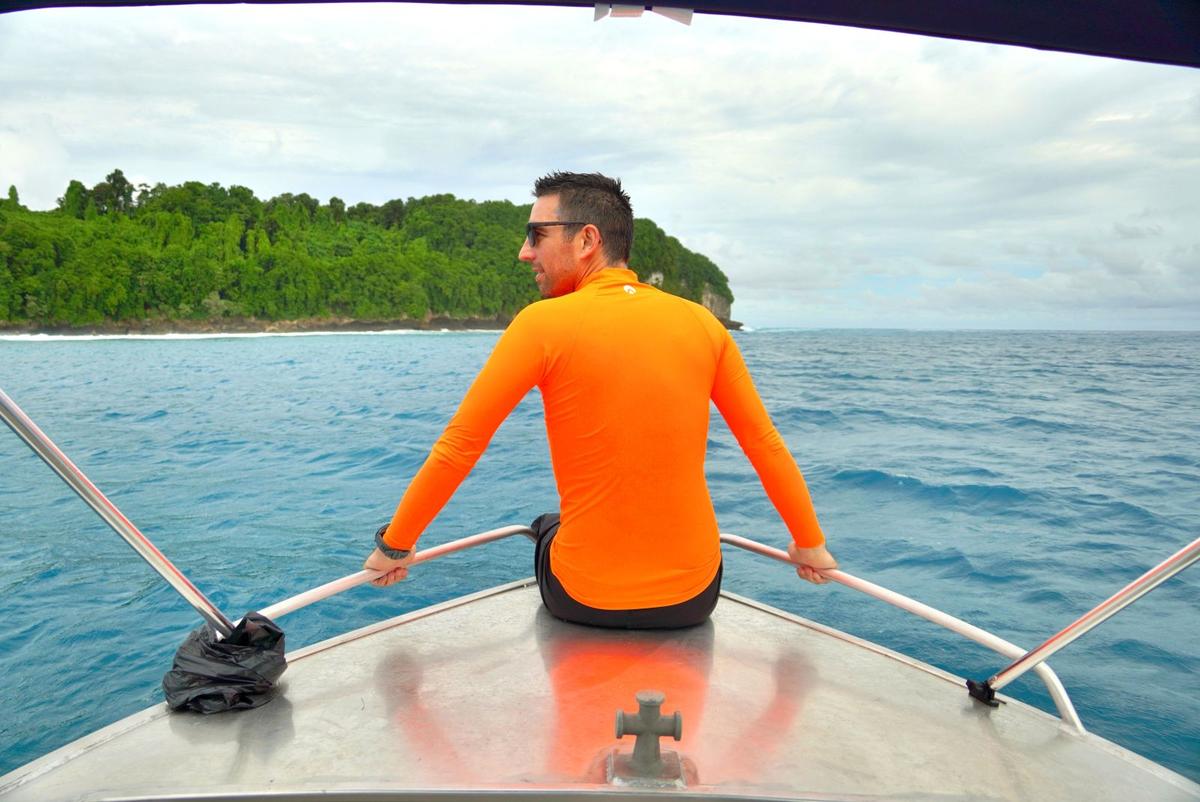
The iconic concrete cross standing on the reef at Alofitai Beach marks one of Wallis and Futuna's most rewarding snorkelling spots, where shallow waters around the monument teem with vibrant coral formations and tropical fish.
In our experience, these protected shallows regularly harbour green sea turtles and sea kraits (commonly called sea snakes), making every dive an exciting wildlife encounter. Venture another 30-50 m (90-164 ft) beyond the cross, and the reef dramatically drops away to reveal clearer conditions, impressive coral formations and deeper waters perfect for experienced snorkellers who love exploring beneath the surface.
The cross itself serves as both a spiritual landmark and a convenient reference point for navigation. According to our very own editor-in-chief, Laura, timing your visit with high incoming tide provides the best visibility and safest conditions for exploring this underwater paradise.
If you crave more coral, check out 10 Best Places to Snorkel in Wallis & Futuna.
North coast of Alofi. Alofi Island is accessible by boat from Vele Boat Landing, Vele, northeast coast of Futuna. The snorkelling spot is located on the reef's edge beyond the cross sculpture.
10.Devil's Hole (Wallis)
-U%20CREDIT%20WallisandFutunaPocketGuide.com-900x507.webp?v=2026-04-14T19%3A51%3A34.220Z)
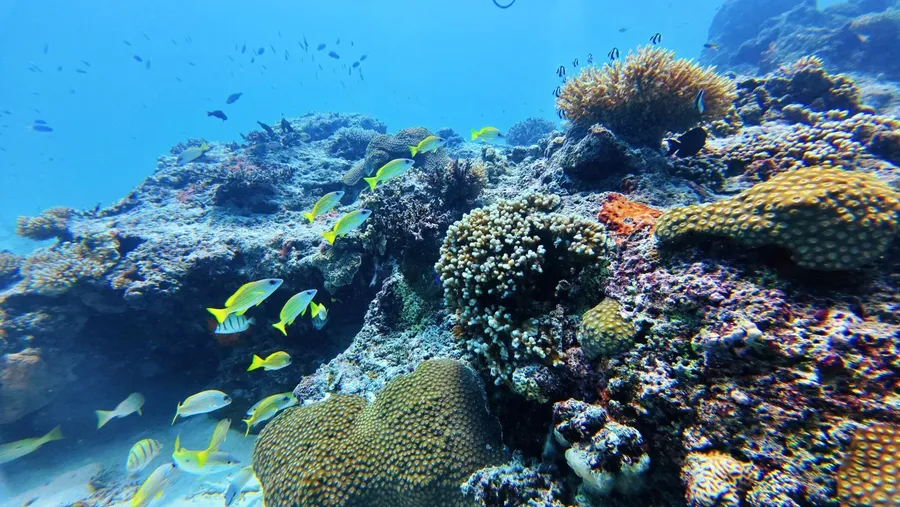
Over on Wallis, Devil's Hole offers a unique snorkelling experience, taking you to deep water spots that are likely ancient volcanic craters.
Swimming along the dramatic edges feels like peering over an underwater cliff, with vibrant coral encrusting the vertical walls beneath you.
While some sections may appear less populated with marine life at first glance, persistence pays off as you'll discover hidden pockets of thriving coral gardens and schools of tropical fish. This creates a fascinating and completely different snorkelling adventure compared to the shallow lagoon experiences elsewhere in the lagoon.
Devil's Hole, off the east coast of Wallis. Accessible via taxi boat with Vaka La, located on the northern end of Liku village, east coast of Wallis.
More Natural Attractions in Wallis and Futuna
Now that you know some of the top natural attractions in Wallis and Futuna, discover more articles that just happen to mention more natural wonders:
- Sightseeing in Wallis and Futuna: Top 10 Sights in Wallis and Futuna
- 5 Best Beaches in Wallis and Futuna
- The 10 Most Famous Places in Wallis & Futuna
Finally, complete your bucket list using the 101 Best Things to Do in Wallis and Futuna: The Ultimate List and plan all the logistics using The Complete Travel Guide to Wallis and Futuna.

-U%20CREDIT%20WallisandFutunaPocketGuide.com-900x507.webp?v=2026-04-07T00%3A41%3A45.444Z)