

-SE%20CREDIT%20WallisandFutunaPocketGuide.com.webp?v=2026-04-07T00%3A25%3A41.612Z)
A Guide to Passing Through Immigration, Customs and Biosecurity in Wallis and Futuna
Your final hurdle to an adventure in the islands of Wallis and Futuna is getting through Immigration, Customs and Biosecurity when you arrive at Hihifo International Airport.
With an isolated yet fragile ecosystem, Wallis and Futuna takes strict precautions when it comes to biosecurity. Travellers will also need to make sure their passports are up-to-date, accommodation and outbound flight booked, and meet any other current entry requirements.
Then, the azure lagoons of Wallis and the volcanic peaks of Futuna are on your horizon!
Make the airport process as smooth as possible for yourself by following the advice in this guide to Wallis and Futuna airport customs, biosecurity and arrivals process.
This article is based on real on-the-ground research, not on AI scraping old content from the internet. Learn how we use AI!
Table of Contents
Passport, Accommodation Booking and Outbound Travel Confirmation for Wallis and Futuna
The first thing you will need to organise for your travels to Wallis and Futuna is your passport. Your passport needs to be less than 10 years old, valid for at least three months after the date you intend to leave Wallis and Futuna, and have at least two blank sheets.
As well as a valid passport, visitors are also required to have:
- A return or onward travel ticket from Wallis and Futuna (within less than 90 days of arrival)
- Sufficient funds for your length of stay
- Proof of accommodation covering the length of your stay
Note that your onward travel ticket is usually checked when checking into your flight, and items like proof of accommodation and sufficient funds are not always thoroughly checked at the border. Even so, it's important not to break the rules for entering Wallis and Futuna.
As long as you meet the above entry requirements, you will be granted entry to Wallis and Futuna on arrival. Check out Wallis and Futuna Tourist Visa: Do You Need a Visa to Visit Wallis and Futuna? to learn more about the entry requirements.
Do You Need a Vaccine to Visit Wallis and Futuna?
There are no current vaccination mandates to enter Wallis and Futuna unless you have visited a country with yellow fever in the last 30 days.
We list all the recommended and/or mandatory vaccines for a visit to Wallis and Futuna in Do You Need Vaccines to Travel to Wallis and Futuna?
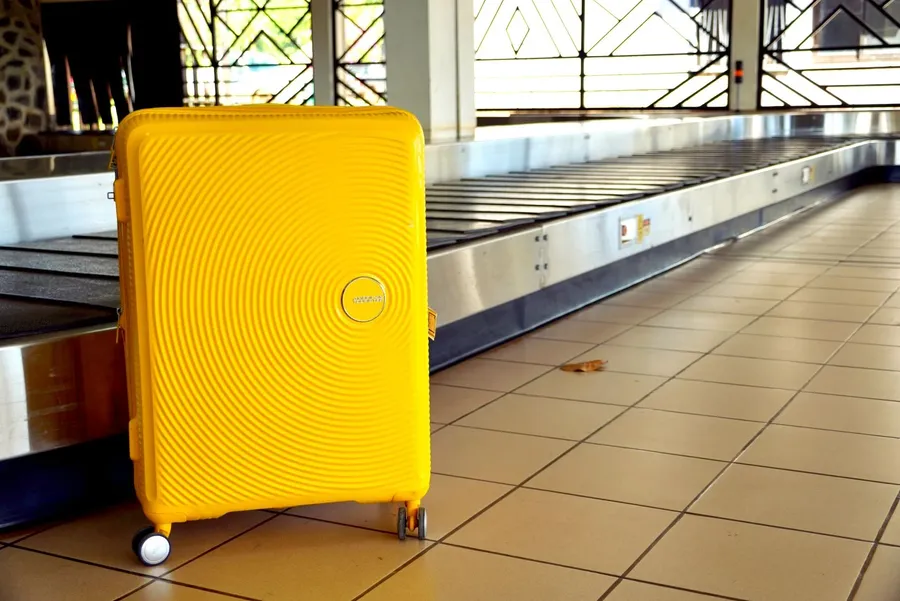
Packing for Wallis and Futuna
Before you depart for Wallis and Futuna, it's essential to check what items are restricted or prohibited so that you don't risk having items confiscated or facing fines upon arrival. Wallis and Futuna has strict biosecurity and customs regulations enforced by the Veterinary, Food and Plant Inspection Service (SIVAP), and Customs.
On top of that, you will need to check that any outdoor gear or sports equipment that you pack is clean.
Items You Cannot Bring into Wallis and Futuna (Without Meeting Biosecurity Rules)
Wallis and Futuna has strict biosecurity rules to protect the territory from plant and animal diseases and pests. On arrival at Hihifo International Airport, travellers must declare all animal and plant products carried in their luggage, including food, ornamental items and handicrafts. If sensitive goods are not declared, they can be confiscated, destroyed and may lead to penalties.
- Undeclared food
- Animal products over 5 kg (11 lbs) per person
- Animal products without labelling or invoice
- Animal products that are not heat-treated or from an authorised country (New Caledonia, New Zealand, Australia or the European Union)
- Plants, seeds and plant products without the required permit and phytosanitary certificate
- Fresh fruit, vegetables, seeds, flowers, nuts, bulbs, straw, bamboo and wood if not declared and cleared
- Items made from protected species, such as giant clam, turtle or coral
- Undeclared shell items, shell necklaces, tapa, mats and natural handicrafts
- Dirty camping, sports or animal equipment that has not been declared
- Narcotics, which are absolutely prohibited
- Counterfeit goods, which are absolutely prohibited
- Weapons and ammunition, unless you have prior authorisation
- Commercial goods or items for resale, which should be declared and may be subject to duties and taxes
- Goods exceeding the duty-free allowance limits, which may be subject to customs duties and taxes based on the purchase invoice
Basically, try to avoid bringing the above items unless you want to go through the annoying process of getting a phytosanitary certificate before arrival.
Cleaning Your Gear for Arrival in Wallis and Futuna
Although you are allowed to bring sports and camping gear into Wallis and Futuna, they must be free from dirt and soil in order to pass through Biosecurity. Otherwise, you may either be requested to clean them at the airport or have the item sent for treatment at your expense. So be sure to clean equipment, such as:
- Used footwear
- Camping equipment
- Snorkelling gear
- Scuba diving gear
- Surfboards
- Fishing equipment
- Bicycles
- Golf clubs, etc.
More Packing Advice for Wallis and Futuna
For more tips on what to pack for Wallis and Futuna, check out What to Pack for Wallis and Futuna: A Full Wallis and Futuna List.
-CUNL%20CREDIT%20WallisandFutunaPocketGuide.com-900x601.webp?v=2026-04-24T23%3A52%3A34.727Z)
The Wallis and Futuna Entry Form
On your final flight to Wallis and Futuna, either during the flight or on arrival, you'll begin the first part of the customs and biosecurity process by completing the Wallis and Futuna Entry Form. All arriving travellers must complete this form, which is provided in both French and English.
What Information You'll Need
The Passenger Arrival Card asks for comprehensive personal and travel details, so make sure you have the following information readily available:
Personal Details:
- Full name (first and last/surname)
- Passport number and nationality
- Date of birth and gender
- Profession/occupation
Travel Information:
- Flight number and seat number
- Arrival date in Wallis and Futuna
- Airport of origin
- Up to four transit airports (if applicable) and duration of transit
- Specific address or hotel name in Wallis & Futuna (not just P.O. box)
- Local phone number or WhatsApp contact (+681 country code)
Accommodation Details:
- Type of accommodation: Hotel/Guest house, Family/Friends, Boat, Holiday rental, Village accommodation, or Other
- Exact location where you'll be staying
Three Key Sections: Health, Biosecurity, and Statistics
The Wallis and Futuna Entry Form combines multiple government departments into one mandatory document:
Health Department (Agence de Santé)
This section focuses on health screening and asks about:
- Symptoms in the past 7 days (fever, cough, breathing difficulties, diarrhoea, vomiting, muscle/joint pain)
- Yellow fever vaccination status
- Your local contact details for health monitoring
Biosecurity Division
You'll answer questions about biological materials including:
- Whether you packed your own bags
- Any food items of any kind
- Animals (alive or dead) or microbiological cultures
- Animal products (meat, dairy, honey, hides, feathers, bones, wool, eggs, shells, etc.)
- Plant products (plants, fruits, vegetables, seeds, flowers, nuts, bulbs, bamboo, wood, etc.)
- Soil or earth materials
Territorial Statistics Service
This section collects data for tourism and economic planning purposes.
Important Tips for Completion
Answer Honestly: All questions must be answered truthfully. The form specifically advises "If you're not sure, declare Yes" for biosecurity items rather than risk penalties for false declarations.
One Form Per Passenger: Each traveller must complete their own individual form, regardless of age or family group status.
Use Capital Letters: Print clearly in capital letters, one letter per box for legibility.
Hand to Biosecurity: The completed form must be presented to biosecurity control upon arrival, not customs.
The Wallis and Futuna arrival process prioritises health screening and biosecurity protection for these remote Pacific islands. Having all the required information ready and answering questions honestly will ensure a smooth entry into the territory.
%20CREDIT%20WallisandFutunaPocketGuide.com-900x601.webp?v=2026-04-11T21%3A15%3A00.102Z)
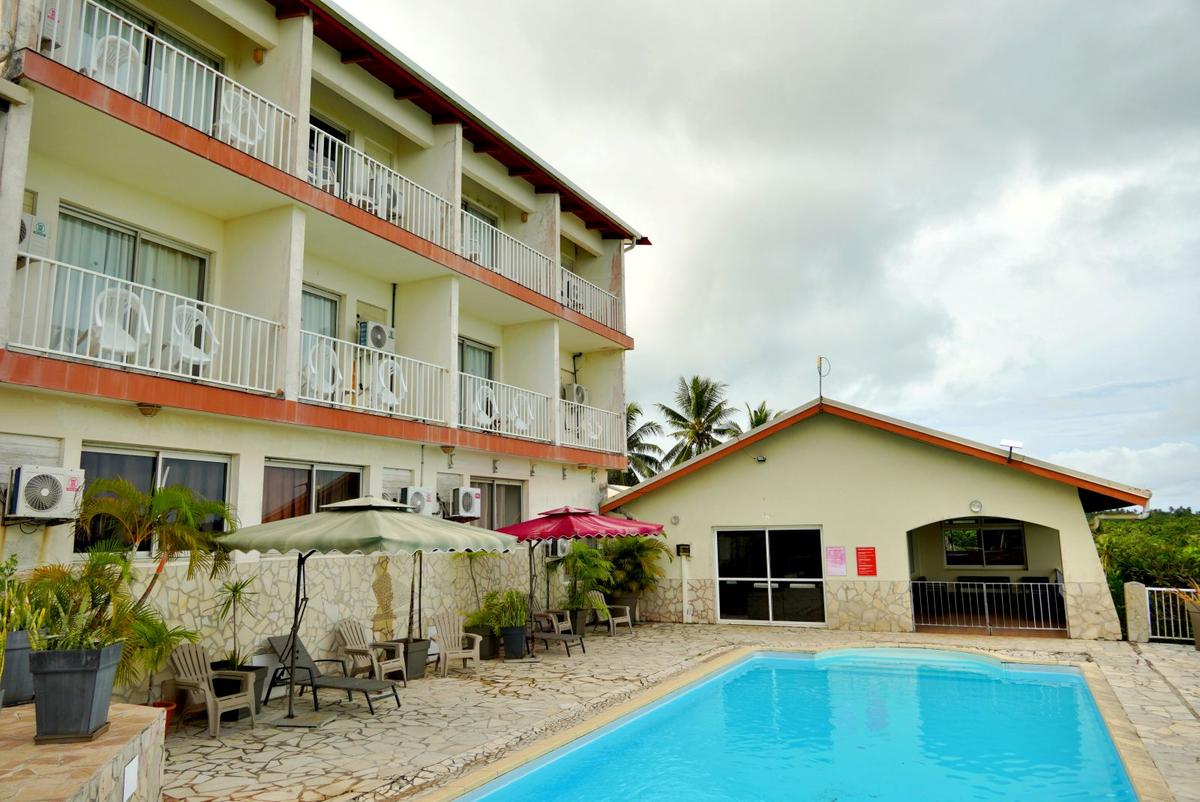
Immigration / Passport Control
Once you've landed in Wallis and Futuna, you won't be exploring the motu just yet. First up, you'll need to pass through Immigration at Hihifo International Airport.
You'll cross the tarmac on arrival and be asked to queue to be inspected by passport control officers. Note that you may be handed the Wallis and Futuna Entry Form while you are queuing, so have a pen handy. You don't need to complete the Wallis and Futuna Entry Form until you get your suitcases (after passport control), so you have a bit of time.
The Immigration Process
At Immigration, an officer will ask to see your essential documents:
- Your passport (must be valid for at least three months)
- Your visa (if applicable - see Do You Need a Visa to Visit Wallis & Futuna?)
What to Expect at Immigration
The Immigration officer may ask you questions regarding:
- Your accommodation arrangements in Wallis and Futuna
- The purpose and length of your visit
- Your sponsor or family contact details (if applicable)
- Your onward travel plans
If everything is in order, your passport and arrival card will be returned to you, and you'll be directed to proceed to the Baggage Claim area, which is visible from the Immigration desks (don't worry, Hihifo Airport isn't that big).
Cruise Ship Passengers
Cruise ship passengers have a streamlined process, as procedures are handled centrally by the cruise company in coordination with local authorities. All passengers need is their valid passport on arrival, though random biosecurity checks may occur on shore.
Check out the Do You Need a Visa to Visit Wallis & Futuna? for more information for cruise ship passengers.
-PI%20CREDIT%20WallisandFutunaPocketGuide.com.webp?v=2026-04-11T21%3A15%3A19.346Z)
Passing Through Customs and Biosecurity in Wallis and Futuna
Once you have picked up your bags from Baggage Claim, you will go through the final step: the Customs and Biosecurity process. In Wallis and Futuna, this involves two separate government departments working together to protect the territory's biosecurity and collect appropriate duties.
Your Last Chance to Declare Risk Goods
This is your final opportunity to declare any "risk goods" that you might have in your possession or packed in your baggage. Remember, honesty is always the best policy; the penalties for not declaring items are much more severe than the small fees for permits or duties.
Declarable Items in Wallis and Futuna
Declarable items when entering Wallis and Futuna include (note that some of these are not included on your Entry Form):
Biosecurity Division (SIVAP):
- Food of any kind (including snacks, spices, processed foods, beverages)
- Animals (alive or dead) or microbiological cultures
- Products of animal origin:
- Meat and meat products
- Charcuterie and preserves
- Dairy products
- Honey
- Hides, feathers, bones, wool
- Eggs and shells
- Plant products:
- Plants and flowers (fresh or dried)
- Fruits and vegetables
- Seeds, nuts, and bulbs
- Straw, bamboo, and wood products
- Soil or earth materials
Customs Division:
- Any restricted or regulated goods
- Goods exceeding duty-free allowance limits:
- Tobacco (200 cigarettes, or 100 cigarillos, or 50 cigars, or 250 g of smoking tobacco)
- Alcohol above 2 litres (0.5 gal) per traveller
- Perfume above 50 ml (1.7 fl oz) per traveller
- Coffee (500 g of coffee, or 200 g of coffee extracts or essences)
- Tea (100 g of tea, or 50 g of tea extracts or essences)
- Other goods (up to 30,000 XPF per traveller aged over 17, or 10,000 XPF per traveller aged under 17)
- Commercial items or goods for resale
Health Department:
- Items requiring health declarations (processed through health screening)
The Inspection Process
Signs indicate which officer to speak to, depending on whether you have something to declare or not. If you have nothing to declare, an officer will review your Entry Form before deciding to let you "cross the border". If you have something to declare, a Customs/Biosecurity officer will:
- Review your completed Wallis and Futuna Entry Form
- Ask questions based on your declared items
- They may request you to put bags through an X-ray machine
- May ask you to open bags for physical inspection
- Determine if permits are needed or fees are due
Pro Tips for Smooth Clearance
From what we've experienced, honesty really is the best policy when going through customs. When in doubt, declare everything. The officers genuinely appreciate your transparency and they're there to help guide you through the process.
- Keep receipts for any expensive items you're bringing along. It's a simple way to prove their value and can save you time during inspection.
- Give your outdoor gear a thorough clean before packing.
- Pack any items you've declared in easily accessible spots in your luggage.
Most importantly, be patient with the process. We know it might feel like a bit of a wait, but remember this careful screening protects Wallis and Futuna's incredible and unique ecosystem, and that's definitely worth a few extra minutes.
Don't worry if you need to declare something. Not all declarable items are prohibited. Many just need proper documentation or a small fee.
Editor's Choice
Tautai
Embark on an unforgettable full-day photography boat tour around Futuna's stunning coastline with us. Departing at 7am, we'll glide past historic villages, sacred chapels, and dramatic natural...
-CUNL%20CREDIT%20WallisandFutunaPocketGuide.com-900x601.webp?v=2026-04-11T21%3A15%3A13.410Z)
What Happens if Risk Goods Are Found in Your Baggage
If completing your Wallis and Futuna Entry Form and you realise you packed something in your bag that won’t go through Biosecurity, like fresh fruit, for instance, don’t worry. You have the opportunity to dispose of potential risk items in bins before passing through Customs and Biosecurity.
If you declare an item and the item is not restricted or prohibited from being imported into Wallis and Futuna, you will be allowed to pass through Customs and Biosecurity without further action.
What Happens to Undeclared Risk Items?
When passing through Biosecurity, if any restricted, prohibited or declarable items are found in your luggage or in your possession, which you have not declared on your Entry Form, you may face penalties.
What if You Declare an Item and it is Prohibited or Restricted?
If you have declared an item that is deemed unsafe to enter the territory then you may have the item confiscated. You may be given the option for treatment of the item or exported to an overseas address, both at your own expense. For goods that you have to pay duty tax on, you’ll need to pay the duty and complete the relevant Customs forms.
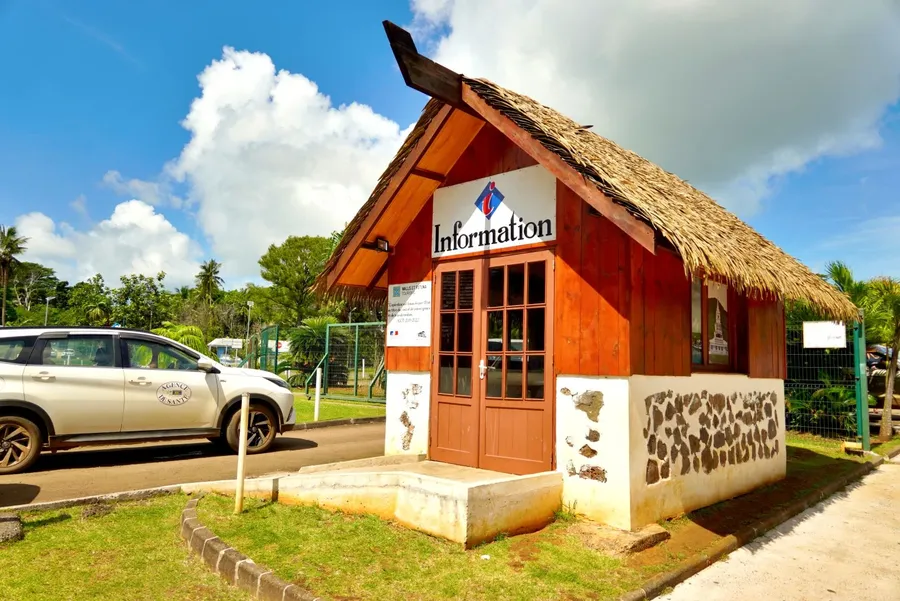
After Customs and Biosecurity
This is it! You have officially entered Wallis and Futuna! Hihifo Airport is pretty small, so as soon as you leave Customs and Biosecurity, you'll enter the outdoor Arrivals Area.
Hihifo Airport Facilities
The next steps to get you started on your Wallis and Futuna holiday. Admittedly, there are only a few facilities here, including a car rental desk, but note that the latter is only open if there are bookings for your flight. Learn more about booking vehicle rentals in What You Need to Hire a Car in Wallis and Futuna.
Take note of the check-in area to your right as you face the airport building, as you'll need to come here if you are taking a flight to Futuna and for your departure flight from Wallis. See Domestic Flights in Wallis and Futuna: Your Guide to Interisland Flights to learn more. Note that you cannot buy domestic flight tickets from the airport - it's best to go through inbound travel agents like Wallis Voyages.
Finally, Wallis et Futuna Tourisme has a small information centre that is usually open for the arrival of international flights. It's directly outside of the arrivals area, you can't miss it!
Information on all of these facilities and services can be found in our guide, Airports in Wallis & Futuna: Where Can You Fly to in Wallis & Futuna?
Airport Transfers
Finally, the only airport transfer services available in Wallis and Futuna are provided by accommodations. Be sure to arrange this with them before arrival. Otherwise, car rentals are one of your limited options for transport. If you haven't booked a car rental prior to arrival, Corail Renting has an office within walking distance of the airport.
Now, transition into "island time" and enjoy your vacation! Need stuff to do? Check out the 101 Best Things to Do in Wallis and Futuna: The Ultimate List.
More About Wallis and Futuna Airport Customs, Biosecurity and the Arrival Process
That's it for our complete guide to the Wallis and Futuna airport arrival process, along with what you need to do to pass through customs and quarantine. For more on the subject, check out our other arrivals guides:
- The Duty-Free Allowances for Wallis and Futuna
- Which Airlines Fly Directly to Wallis and Futuna?
- Wallis & Futuna Transport Guide: 10 Best Ways to Get Around
Finally, don't miss a thing about planning a trip to Wallis and Futuna by checking out The Complete Travel Guide to Wallis and Futuna.

-BI%20CREDIT%20WallisandFutunaPocketGuide.com-900x601.webp?v=2026-05-20T02%3A42%3A42.396Z)
-SEB%20CREDIT%20WallisandFutunaPocketGuide.com-900x601.webp?v=2026-04-07T00%3A26%3A06.322Z)