

-%20BNCC%20CREDIT%20WallisandFutunaPocketGuide.com.webp?v=2026-05-22T20%3A16%3A40.442Z)
The Complete Guide to Wallis and Futuna on a Budget
Let's be honest, Wallis and Futuna isn't going to appear on anyone's "Top 10 Backpacker Destinations" list anytime soon. But that's exactly what makes it ideal for budget travellers who crave something completely different.
We're talking about a place where there are no hostels, no backpacker buses rattling between towns, and certainly no well-worn tourist trail to follow. What you'll find instead is something far more rewarding: a genuine adventure that requires a bit of creativity, plenty of flexibility, and a willingness to do things differently.
During our time exploring these remote French Pacific islands, we discovered that budget travel here isn't about finding the cheapest bed or the most rock-bottom meal prices. It's about smart planning, self-catering when possible, and embracing the incredible free experiences that these islands offer in abundance.
This guide is for travellers who see obstacles as opportunities and who'd rather have an authentic, challenging adventure than follow a predictable backpacker route. If that sounds like you, you're going to love what the islands have to offer, starting with this complete budget and backpacking guide to Wallis and Futuna!
This article is based on real on-the-ground research, not on AI scraping old content from the internet. Learn how we use AI!
Table of Contents
5 Tips for Visiting Wallis and Futuna on a Budget
Before we jump into our complete budget travel guide for Wallis and Futuna, here are just a few ways you can save money on your trip:
- Stay at a homestay or guesthouse rather than a hotel, especially on Wallis, where local stays often include useful money-saving extras like kitchen facilities, washing machines and local advice. See The Best Budget Accommodations in Wallis and Futuna.
- If you have the right gear and permission, camping on one of Wallis’ motu or on Alofi can be one of the cheapest and most memorable stays in the territory. Your taxi boat operator can usually help arrange the local permission process. See The Best Budget Accommodations in Wallis and Futuna and How to Catch a Water Taxi in Wallis and Futuna.
- You can save a lot by buying food from the supermarché and using your accommodation’s self-catering facilities. This is especially useful on Wallis, where supermarket choice is better, but it also helps on Futuna where restaurant options are more limited.
- Pack light, especially if travelling between Wallis and Futuna by domestic flight. Baggage limits are tight, and excess fees are the last thing you want eating into your budget.
- Make the most of Wallis and Futuna’s free and cheap attractions, from churches, beaches and viewpoints to crater lakes, historical sites and self-guided walks. Just remember that some islands, motu and local sites require permission, transport or a guide, so check before setting off.
For more budget tips that will help you across the territory, check out 15 Tips to Save Money in Wallis and Futuna, as well as How Much Does a Trip to Wallis and Futuna Cost?
%20Flower%20Garland-%20BNCC%20CREDIT%20WallisandFutunaPocketGuide.com-900x601.webp?v=2026-04-07T01%3A21%3A45.236Z)
How to Get to Wallis & Futuna
What is the best way to get to Wallis and Futuna? Wallis and Futuna can be accessed by flight, cruise ship or private sailing yachts. But if you're visiting Wallis and Futuna on a budget, then we're guessing you're coming via the most economical way: by international flight, so let's start with that.
Flying to Wallis and Futuna
Direct international flights to Wallis and Futuna come from Noumea (New Caledonia) and Nadi (Fiji). If you're coming from further afield, you'll find most connecting flights via Nadi. See our guide, Which Airlines Fly Directly to Wallis & Futuna? for more advice.
All international arrivals land at Wallis Hihifo International Airport on the island of Wallis, approximately 10 minutes from the territory's capital, Mata'Utu. Find out more about the airport and what to expect in Which Airport to Fly into Wallis & Futuna.
How to Get Cheaper Flights to Wallis and Futuna
Want to know how to save some dough on a flight? Here are some other quick tips that are worth trying:
- Use private browsing to stop airfares from increasing as you browse.
- If your flight involves a stopover, consider using two different airlines rather than Aircalin all the way.
- Check the airfares from all of your possible departure cities.
- Check the price of connecting flights when booked separately compared to within the same booking.
- Find and compare flights on comparison websites (then see if your airline offers a price-beat guarantee).
- Use your frequent flyer points.
- Be aware of extra fees while you are booking, such as seat selection and meals.
- Fly on a Monday, Tuesday or Wednesday.
- Avoid Wallis and Futuna's high season – July to September and December.
- Don’t book your flight at the last minute.
Cruises to Wallis and Futuna
Wallis and Futuna is not a common stop for cruises in the South Pacific. The number of cruise ships that visit each year can be counted on one hand, but on the plus side, they typically visit both islands.
Find out about which cruise liners have Wallis and Futuna on their itinerary, as well as what to do at each port of call in The Best Cruises That Go to Wallis & Futuna.
Sailing to Wallis and Futuna
Wallis and Futuna is situated on the Transpacific journey between the US and New Zealand. The yachting season is between May and October. Learn about the sailing formalities and the port of entry in our Sailing Guide to Wallis & Futuna.
A Note on Customs Declarations
Wallis and Futuna has strict biosecurity measures at the border to stop unwanted pests and diseases from entering the territory. Therefore, anyone arriving in Wallis and Futuna has to declare any "risk items" they have packed in their luggage – even common items like food and sports gear. Be sure to read up on Arriving in Wallis & Futuna: Airport Customs, Biosecurity & Arrival Process so you are prepared.
Check out our complete guide on How to Get to Wallis & Futuna for even more tips on making your way to the islands.

When to Visit Wallis and Futuna
Wallis and Futuna are tropical islands and experience consistently warm temperatures throughout the year, as well as high humidity. It has a tropical marine climate that is warm and humid throughout the year, with no true "dry season".
Learn more about the climate in our guide, Wallis and Futuna Weather, Seasons & Climate + Wallis and Futuna Weather by Month.
Peak Season (July to September)
The peak season is the most popular time to visit Wallis and Futuna, not only for the slightly less humid conditions with peak temperatures around 28°C (82.4°F) and an average monthly rainfall of 179 mm (7 in). This period offers excellent tradewind conditions for kitesurfing, catching whale sightings, experiencing popular events like National Day and Territorial Day, and enjoying outdoor activities.
On the downside, the peak season is when you're going to have the fewest options when it comes to accommodation, which may mean you might end up paying more for your second choice. International airfares can also increase during this period.
Cyclone Season (November to April)
The cyclone season is hotter and more humid, with peak temperatures around 31°C (87.8°F) and an average monthly rainfall of 315 mm (12 in). This is also the South Pacific's cyclone season, which means there's a risk of cyclones (but only a risk, which you can learn more about in A Guide to Cyclone Safety in Wallis and Futuna).
Because the cyclone season falls into the South Pacific "low season", you tend to find more deals on international airfares. In addition, your first choice in budget accommodation is more likely to have availability during this quieter time.
The Cheapest Time to Visit Wallis and Futuna
Wallis and Futuna is cheap to visit all year round due to its limited tourism industry. In order to get your first pick of accommodations and flights, it's best to visit in quieter seasons when locals are coming from overseas to visit families and no school holidays, like the low season (November to April, avoiding December).
Still can't decide when the best time is to travel to the islands? Check out our complete guide, The Best Time to Visit Wallis and Futuna, which dives much deeper into the subject.
-SEB%20CREDIT%20WallisandFutunaPocketGuide.com-900x507.webp?v=2026-04-14T19%3A59%3A17.498Z)
Taxi Boat Afala
from NZ$425
What to Pack for Wallis and Futuna
The main thing you need to keep in mind when packing for Wallis and Futuna is having a tropical wardrobe that includes some more modest items of clothing. A packing list for Wallis and Futuna might look a little something like this:
- 4 Singlets/T-Shirts
- 2 Blouses/Shirts to protect your shoulders from the sun
- 2 Shorts/Skirts which are not too short (make sure to cover your "derrière")
- 1 Dress/Skirt below the knee for church. We recommend light fabrics such as the sustainable bamboo dresses and skirts by Moso Morrow
- 1 Sarong (kie) will be your best friend for hitting the beach and covering your swimwear in between swimming. These are available to purchase in Wallis.
- 1 or 2 Light sleepwear if you're against sleeping in your undies
- 1 Light Cardigan/Pashmina/Poncho for windy/rainy days
- 1 Sports shorts/Leggings for hiking/active activities
- 1 Sports T-shirt/Singlet for hiking/active activities
- 1 Outfit to travel between Wallis and Futuna and home
- 3 Bras including strapless, sports and comfortable bras
- 6 Underwear
- 4 Socks
- 1 Bikini (make sure to leave the "Miami-style" bikini at home)
- 1 One-piece for more active watersports
- 2 Boardshorts
- 2 Rash vests (we like sustainable Sharkskin rashies)
- Sunhat
- Sunglasses
- Light shirt to cover arms and back
- Light rain jacket
- Flip-flops/Sandals
- Walking shoes/Sneakers
- Reef shoes/Water shoes
- Snorkelling fins (especially if visiting Futuna).
And that's just the clothes! For a full packing list of everything to take, including accessories and toiletries, check out What to Pack for Wallis & Futuna: A Full Packing List.
Health Products
With high UV levels and the presence of mosquitoes, certain health products are essential to take to Wallis and Futuna. Wallis and Futuna also has a fragile marine ecosystem, so reef-safe sunscreens and repellents are a must.
On a similar note, a reusable water purification bottle is preferable to buying bottled water for obvious environmental reasons.
See our health essentials packing list in What Medication to Pack in Your First Aid Kit for Wallis and Futuna, as well as tips for protecting the health of the environment in the 30 Ways to Travel More Sustainably in Wallis and Futuna.
Currency
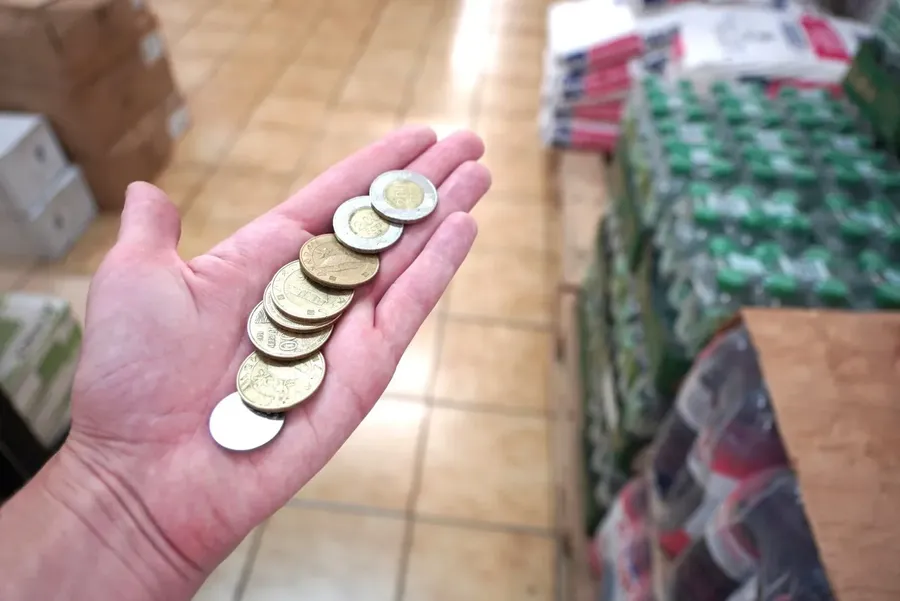
The currency in Wallis and Futuna is the CFP Franc. Cash is king in Wallis and Futuna and is the most accepted form of payment, though it's essential to note that you cannot exchange currency in the territory and ATMs are extremely limited. Some vendors accept MasterCard, Visa and CB, while the limited ATMs accept a few more brands.
Get more money tips in What is the Best Way to Pay in Wallis and Futuna?
Travel Documents and Paperwork
Visitors to Wallis and Futuna need a passport that is valid for no less than three months after the intended date of departure, is less than 10 years old and has two blank pages. There may be other current entry requirements, which we keep up to date in What Documents Do I Need to Travel to Wallis and Futuna?
%20CREDIT%20WallisandFutunaPocketGuide.com-900x601.webp?v=2026-04-07T00%3A53%3A47.971Z)
How Long to Spend in Wallis and Futuna
Let's get one thing straight: Wallis and Futuna is not your destination for chilling at a resort and relaxing. This is a place where you're definitely going to want to actively explore, not only for island-hopping but mostly for discovering the unique culture and landscapes of each island.
We'd recommend the minimum number of days to spend in Wallis and Futuna is three days if just visiting Wallis. However, seven to 10 days is the recommended number of days for a satisfying trip to Wallis and Futuna, especially if you include both islands, as well as Alofi. You can do all essential sightseeing in one day on each island, with one day on Alofi and one to two days for exploring Wallis Lagoon. Allow half a day for flying between the islands (return), and we recommend visiting Futuna first because flights can be delayed or rescheduled.
With all that in mind, here's what you can achieve in certain timeframes… (And don't worry, we'll get onto the destinations in the next few sections).
3 Days / A Long Weekend in Wallis and Futuna
Over three days or a long weekend, you have enough time to do two half-days sightseeing and one full day on the lagoon. Check out the Wallis and Futuna Itinerary: 3 Days for a suggested trip idea.
5 Days in Wallis and Futuna
Five days give you just enough time to explore Wallis Island comprehensively, but not Futuna or Alofi. See Wallis and Futuna Itinerary: 5 Days for a recommended holiday plan.
7 Days / 1 Week in Wallis and Futuna
Some travellers will find that seven days is enough to explore everything there is to see on Wallis, including Wallis Lagoon, while more intrepid travellers might want to squeeze in a trip to Futuna and Alofi. This is the sweet spot for seeing it all. Get some inspiration on what to do and where to go from the Wallis and Futuna Itinerary: 7 Days.
10 Days in Wallis and Futuna
10 days is a comfortable amount of time to enjoy both Wallis and Futuna, with plenty of time to explore Wallis Lagoon, Alofi and discover the unique culture of both islands without rushing. Check out our Wallis and Futuna Itinerary: 10 Days for an affordable holiday agenda.
How Long Can You Stay in Wallis and Futuna?
Visitors to Wallis and Futuna can stay up to 90 days! Learn more about how long you can stay in our guide, Wallis and Futuna Entry Requirements: Do You Need a Visa to Visit Wallis and Futuna?
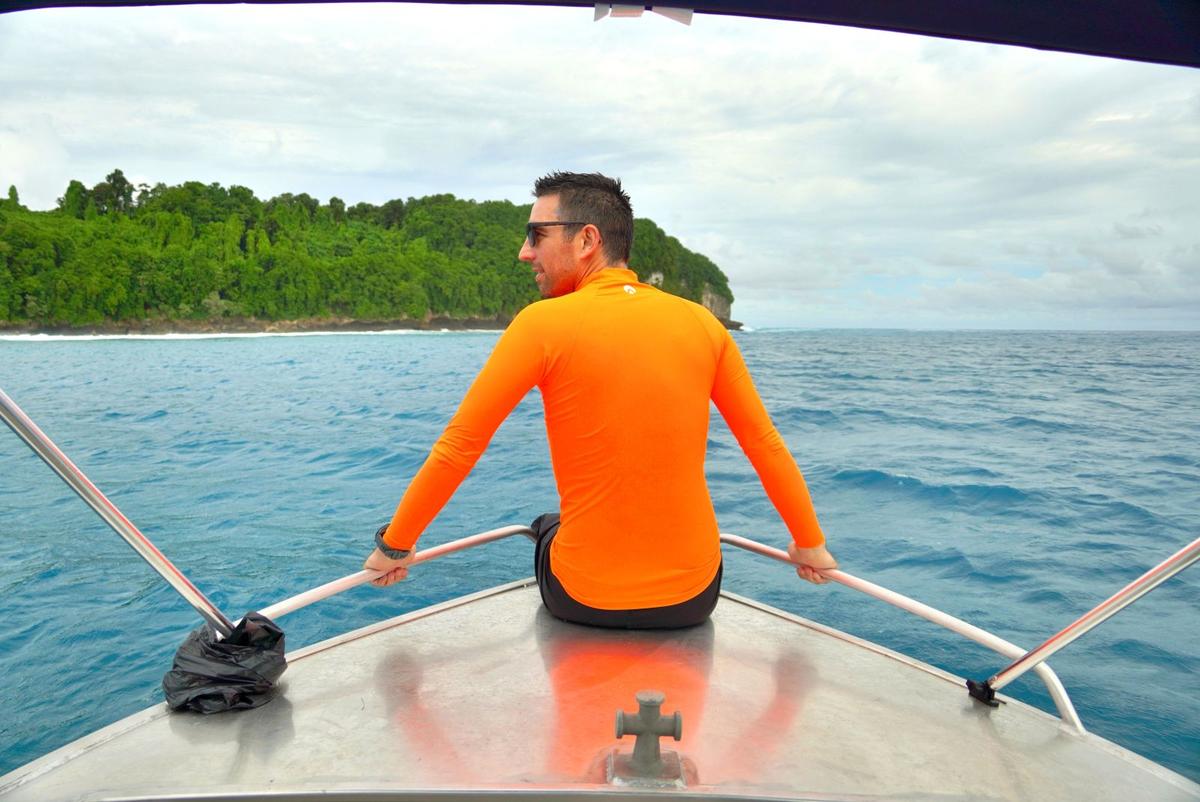
Editor's Choice
Taxi Boat Afala
Discover the enchanting beauty of Futuna on our 2.5-hour boat tour departing from Vele. We'll share captivating local legends as we cruise past traditional villages, the historic Poi Basilica...
Which Islands to Visit in Wallis and Futuna
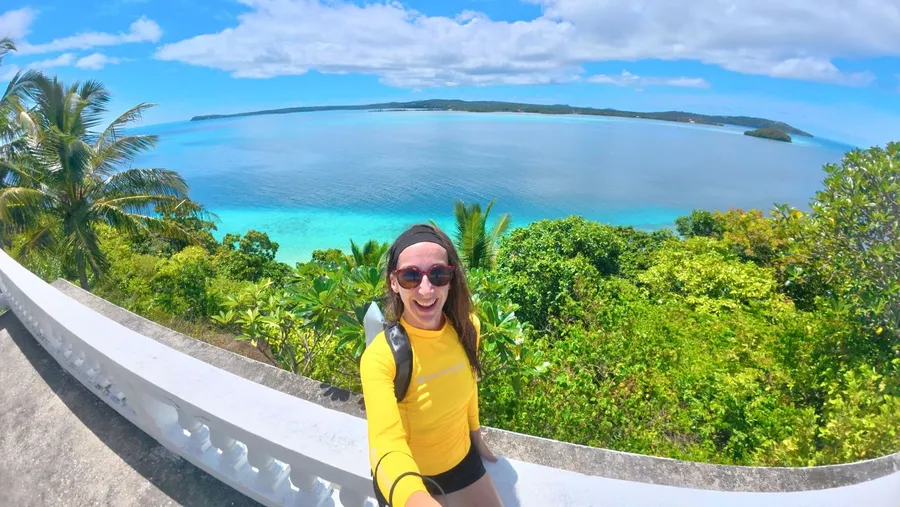
Wallis and Futuna is made up of three main volcanic islands and around 15 coral islets (known locally as motu). Even though it's cheaper to only visit one island, we highly recommend visiting both the main islands.
The main island of Wallis is home to the capital Mata'Utu and the territory's main airport, making it the primary entry point for visitors. Futuna and neighbouring Alofi lie about 230 km (143 mi) southwest of Wallis and offer a more remote island experience. The numerous Wallis motu (islets) scattered around the main island provide excellent opportunities for day trips and exploration.
Compare the most popular islands to visit in Which is Better, Wallis or Futuna? Otherwise, here's a quick rundown of each destination.
Wallis
As the most accessible island in Wallis and Futuna, Wallis is the easiest choice for budget travellers and our top pick if this is your first time in the territory. It has the best range of guesthouses, supermarkets, casual food stops, free attractions and self-guided sightseeing, which makes it much easier to keep costs under control.
You can fill your days with low-cost experiences, from marvelling at Lake Lalolalo and Lake Lanutavake to exploring Kolonui Fort, visiting churches, browsing local craft shops and cooling off at Tufunui Freshwater Spring. Some lagoon trips and motu visits will add extra transport costs, but they are still among the most rewarding splurges if you want that classic Wallis lagoon experience.
For budget travellers, Wallis works best as your practical base. Stay in a guesthouse or self-contained unit, stock up at the supermarket, rent a car for only the days you need it and focus on the island’s many free and cheap sights. Start planning with The Complete Travel Guide to Wallis.
Futuna
Futuna is less convenient for budget travel, but it is easily one of the most rewarding islands if you are happy with simple services and a slower pace. Accommodation, food and transport options are more limited than on Wallis, and flights can be cancelled, so you need more flexibility and a buffer before any international connections.
Once you are there, however, Futuna offers excellent value in the form of natural and cultural experiences. Sacred sites, village churches, taro plantations, rugged beaches, viewpoints, black sand coastlines and traditional village scenery can all be explored at a low cost, especially with a rental car and a good plan for the day. Dining can be more limited, but intimate home dining experiences and local snacks are part of the charm.
Choose Futuna if your idea of budget travel is not convenience, but depth: wild landscapes, strong culture, fewer visitors and a genuine sense of remoteness. Browse our 20 Best Things to Do on Futuna, then plan with The Complete Travel Guide to Futuna.
Alofi
Alofi is one for adventurous budget travellers who are prepared to organise ahead. The island is almost uninhabited today and mainly used for plantations, which means there are no shops, cafés or formal facilities waiting for you. You will need a boat transfer from Futuna, usually from Vele, and conditions need to be right.
The reward is one of the most memorable low cost adventures in Wallis and Futuna. Once you have paid for the boat and arranged access properly, the experience is all about walking, swimming, snorkelling, relaxing on Alofitai Beach and exploring forest trails to places like Loka Cave. If you have the right gear and permission, camping may also be possible, making Alofi one of the territory's most unique budget escapes.
It’s remote, physical and unforgettable. Learn more in A Self Guided Day Trip on Alofi: One Day Itinerary.
Wallis' Motu
Wallis’ motu are not always the cheapest day trips once you factor in taxi boat transfers, but they offer some of the best value memories in the territory. These small islets scattered around Wallis’ lagoon give you white sand, turquoise water, snorkelling, beachcombing, chapel ruins and that classic South Pacific castaway feeling without needing to travel far from the main island.
For budget travellers, the trick is to group up with other travellers if possible, compare taxi boat options and choose your motu day carefully rather than trying to visit them all. Some trips can also include cultural experiences, snorkelling or simple beach time, so it is worth asking exactly what is included before booking.
For lagoon views, beach days and classic South Pacific beauty, make time for the Wallis motu. Start planning with the 15 Best Islets (Motu) to Visit in Wallis.
-%20BNCC%20CREDIT%20WallisandFutunaPocketGuide.com-900x601.webp?v=2026-04-07T00%3A57%3A04.460Z)
Afiafi Hotel
from NZ$153/night
How to Get Around Wallis and Futuna
Getting around Wallis and Futuna takes planning, especially on a budget. There are no public buses, no ferry between Wallis and Futuna, and only one airline connects the territory internationally and domestically. That means transport is one of the main costs to plan for, but with a few smart choices, you can still keep things under control.
For budget travellers, the key is to avoid wasting money on the wrong transport. Domestic flights are unavoidable if you want to visit both Wallis and Futuna, car rental is almost essential for exploring properly, and taxi boats are worth treating as special day trip splurges rather than everyday transport.
For the full rundown, see the Wallis and Futuna Transport Guide: 10 Best Ways to Get Around.
Domestic Flights
With no ferry service between Wallis and Futuna, domestic flights are the only practical way to travel between the two islands. The flight takes about 1 hour to cover the 250 km (155 mi) distance, and the small aircraft experience is part of the adventure.
Budget tip: pack light. Baggage allowances are limited, and paying extra fees is an easy way to blow money before you have even started exploring. Also, give yourself buffer time before international flights, as cancellations can happen, especially when travelling back from Futuna.
Learn more in Domestic Flights in Wallis and Futuna: Your Guide to Interisland Flights.
Car Rental
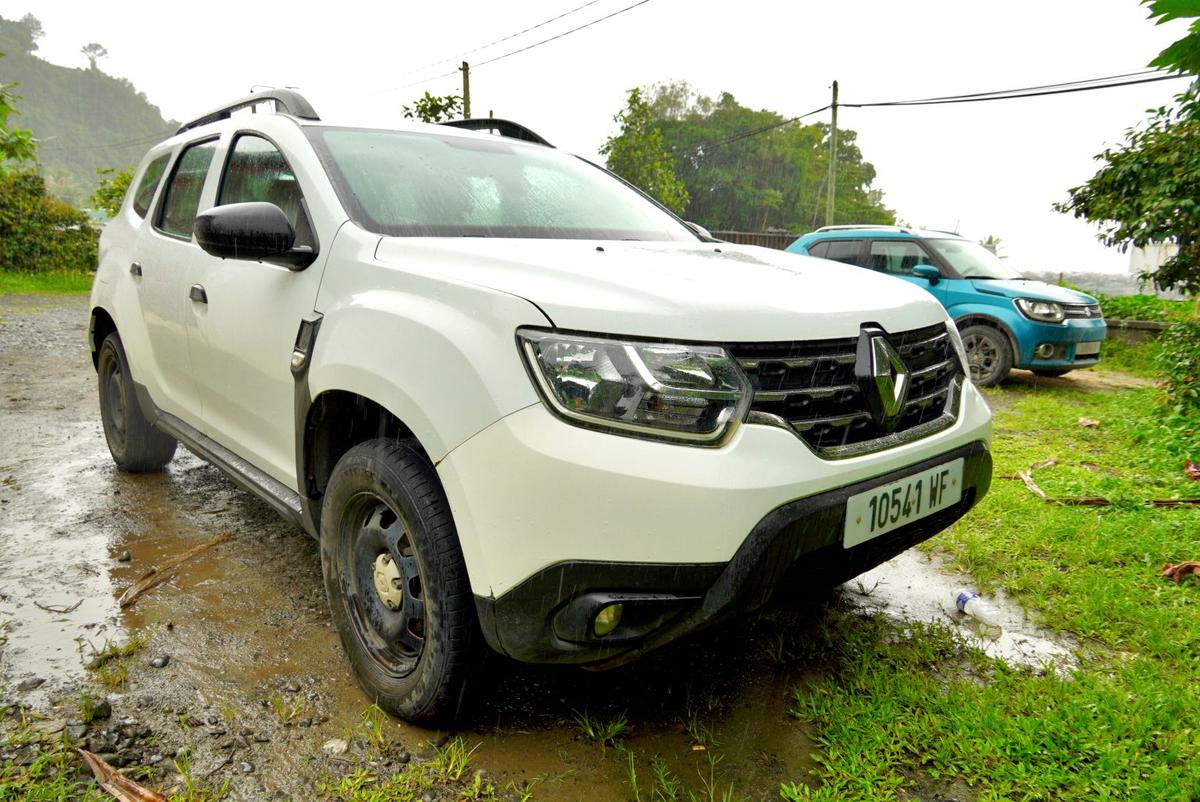
Car rental is the most reliable way to get around both Wallis and Futuna, as there is no public transport. It might feel like a big cost at first, but it often works out as the best value way to see the islands properly, especially if you are travelling as a couple or group and can split the cost.
That said, don’t simply book the cheapest city car. Some of the best free and cheap attractions involve rough access roads, dirt tracks or uneven coastal routes, so a small SUV, Suzuki Jimny or compact 4WD is usually the smarter affordable option. It may cost a little more than a tiny car, but it can save you stress, protect your plans and help you avoid missing places like crater lakes, viewpoints and more remote beaches.
Compare options in the 5 Best Car Rentals in Wallis and Futuna and check out the requirements and tips for which type of vehicle to hire in What You Need to Hire a Car in Wallis & Futuna.
Taxi Boats
Taxi boats are how you reach the places that make Wallis and Futuna feel truly special. On Wallis, they take you to the lagoon motu, while on Futuna, they are essential for visiting Alofi. These trips are not always the cheapest activity once transport is included, but they can be among the best value memories of the trip.
To save money, try to group up with other travellers, choose one or two island trips rather than trying to do them all, and ask exactly what is included before booking. In many cases, your taxi boat operator can also help with the local permission process for motu or Alofi access.
Find out more in How to Catch a Water Taxi in Wallis and Futuna + 5 Best Taxi Boats.
Cycling
Cycling can be an affordable way to explore short distances, especially on flatter sections of Wallis or around villages. Some accommodations may offer bikes, which can help you save on short trips to shops, beaches or nearby sights.
However, cycling is not always practical for full island exploration. Heat, hills, rough roads and limited roadside facilities mean it is best treated as a useful add-on rather than your main transport plan.
See The Ultimate Guide to Cycling in Wallis and Futuna for routes, tips and what to expect.
Hitchhiking
Hitchhiking is one of the more adventurous ways to get around Wallis and Futuna and may work in some local situations, especially if you are flexible and not in a rush. However, it should not be your main plan if you have flights, bookings or a tight itinerary.
For budget travellers, hitchhiking is best seen as a backup option. If you need to reach specific sights in a day, renting a suitable car or arranging transport in advance is much safer.
Whilst those are the main ways to get around Wallis and Futuna, you can dive into all of your options in the Wallis and Futuna Transport Guide: 10 Best Ways to Get Around.
-BI%20CREDIT%20WallisandFutunaPocketGuide.com-900x601.webp?v=2026-04-19T19%3A20%3A31.444Z)
Where to Stay: Budget Accommodation in Wallis and Futuna
Wallis and Futuna has a small, local and fairly simple accommodation scene, so budget travellers should not expect hostels, backpacker dorms or cheap resort-style stays. Instead, the best value comes from planning carefully around guesthouses, homestays, hotels on Futuna and, for the more adventurous, camping with the right permission.
Accommodation standards vary, but that is part of travelling somewhere this remote. On Wallis, the best budget value is usually found in guesthouses and homestays, where hosts may offer kitchen access, meals, laundry facilities, local advice and a much warmer experience than a basic hotel. On Futuna, hotels are often the better value option, as they tend to provide stronger traveller support, sometimes including meals, transfers and help with local arrangements.
For the complete list, check out Where to Stay in Wallis and Futuna: 20 Best Accommodations.
Guesthouses and Homestays
Guesthouses and homestays are where Wallis really shines for budget travellers. These stays are often smaller, more personal and better value than standard hotels, especially if they include practical extras like kitchen facilities, washing machines, meals on request or helpful local advice.
Facilities vary, but you can generally expect private rooms, shared or private bathrooms and communal areas. Some hosts also offer cultural activities or can help you understand where to go, what to see and how to avoid wasting money. On Futuna, guesthouse-style stays are fewer and simpler, but they can still work well for flexible independent travellers.
Browse more options in Where to Stay in Wallis & Futuna: 20 Best Accommodations.
Hotels
Hotels are usually the more formal accommodation option, with private rooms, ensuite bathrooms and sometimes restaurants, breakfast, WiFi, airport transfers, beach access or help arranging activities.
For budget travellers, hotels are typically better value on Futuna than on Wallis. Futuna’s hotels often provide some of the most reliable services on the island, which can save you hassle and sometimes extra transport or meal costs. On Wallis, hotels are usually less budget-friendly, so they are best for travellers who want convenience, private facilities and easy access to shops, restaurants and lagoon activities.
Check out the hotel options in the 10 Best Hotels in Wallis and Futuna.
Camping
Camping is one of the cheapest and most adventurous ways to stay in Wallis and Futuna, but it is not as simple as turning up with a tent. It is only possible in specific places, such as Alofi or some of Wallis’ motu, and you will need local permission, boat transport and proper preparation.
For budget travellers with the right gear, camping can be an incredible way to experience the territory’s wild side, from empty beaches to uninhabited islands. Just remember to arrange everything respectfully through the right local contacts, bring what you need and leave no trace.
Learn more in the Best Budget Accommodations in Wallis and Futuna.
Other Accommodations in Wallis and Futuna
Holiday homes and self-contained units can be useful for families, groups or longer stays, especially if you want to cook for yourself. However, they are often among the most expensive options upfront, so they only become budget-friendly if you can split the cost or save enough by self-catering.
For a complete overview of accommodation types, see Where to Stay in Wallis and Futuna: 20 Best Accommodations.
-BI%20CREDIT%20WallisandFutunaPocketGuide.com.webp?v=2026-04-14T19%3A52%3A57.877Z)
What is the Best Budget Accommodation in Wallis and Futuna?
If you're not a fan of decision fatigue, here are a couple of our favourite stays to help you out.
FugaUvea Rental & Accommodation (Wallis)
Affordable rates, a wealth of inclusions and genuine hospitality with your hosts eager to share cultural experiences with you, FugaUvea Rental & Accommodation is Wallis' ultimate hidden gem (until now).
This family-run guesthouse features two cosy guest rooms, each sleeping up to three people with a thoughtful mix of double and single beds plus a sofa bed.
What we found truly special during our visit is the genuine cultural immersion on offer. You'll be welcomed into local traditions through hands-on experiences like traditional mat weaving, tapa painting and sarong making, available if you let your host, Samantha, and her family know you are interested.
Discover why FugaUvea is perfect for travellers looking for a comprehensive stay, and reserve your stay through FugaUvea Rental & Accommodation website!
Afiafi Hotel (Futuna)
Golden beach, stellar sunsets, an on-site restaurant and kayaks; Afiafi Hotel provides the perfect set-up for a more "vacance" stay in Futuna.
Make the most of the beach out front, with free snorkelling gear available and aquarium-like conditions near the reef (though bringing your own gear is recommended). Kayaks are available for hire for an hourly fee, best utilised at high incoming tide.
There's free WiFi, and a homemade breakfast is included. The hotel's restaurant serves lunch from 11:30 am to 2 pm and dinner from 7 pm to 10 pm, with reservations recommended. The bar operates from 6 pm Tuesday to Friday, and Friday nights come alive with dance parties running from 11:30 pm until the early hours.
Learn more about what makes Afiafi Hotel ideal for travellers exploring Futuna, and book your stay through the Afiafi Hotel website!
Motu Location (Wallis)
Your quintessential Wallisian guesthouse, Motu Location is run by Masisi and his family, who will welcome you into their home in Afala, nestled among the forest just north of Mata'Utu.
This charming family-run guesthouse offers three comfortable rooms of varying sizes, where the hosts genuinely enjoy welcoming travellers and creating meaningful human connections.
Located in Wallis' lush interior, the guesthouse offers bike rental and also provides airport transfer service and car rental, adding more convenience (and fun) to your stay.
Find out what makes Motu Location ideal for budget travellers, and book your stay through the Motu Location website!
Corail Renting
from NZ$135
Things to Do in Wallis and Futuna
Contrary to what you might expect from such a remote and little-visited destination, Wallis and Futuna has plenty of ways to fill your days without blowing the budget. The trick is to focus on the territory’s natural, cultural and historical experiences: crater lakes, churches, beaches, viewpoints, village scenery, walking trails, archaeological sites and self-guided road trips.
There are paid experiences that are absolutely worth considering, especially taxi boat trips to the Wallis motu or Alofi, but some of the best moments cost nothing once you have transport sorted.
In short, there’s so much to do that we could hardly fit it all into our 101 Best Things to Do in Wallis and Futuna: The Ultimate List!
Free and Cheap Activities in Wallis and Futuna
When it comes to free and cheap experiences, Wallis and Futuna rewards travellers who love sightseeing, culture and simple outdoor adventures. Some of the biggest highlights can be enjoyed for free or for very little, such as:
- Snorkelling: Snorkel from beaches like Vele Beach, Alofitai Beach or calm lagoon spots when conditions are right
- Beaches: Relax at Vailala Beach, Sagole Beach, Vele Beach, Tuatafa Black Sand Beach, Alofitai Beach and more
- Crater lakes: See Lake Lalolalo and Lake Lanutavake on Wallis
- Freshwater swimming spots: Cool off at Tufunui Freshwater Spring, Vainifao Cascade or Piscine Bleue when conditions are safe
- Hiking: Walk the Vaitupu Trail, explore the Loka Cave trail on Alofi or tackle shorter viewpoints on Futuna
- Historical sites: Visit Kolonui Fort, the Tongan Stairs, Fai’umu O Pāpā, Anakele, Sakumani Tomb and other ancient sites
- Churches and basilicas: Admire Mata’Utu Cathedral, Poï Basilica, Notre Dame des Sept Douleurs and village churches across the islands
- Viewpoints: Take in the scenery from Mt Holo, Mataki’uvea, Ma’uga Viewpoint and Vilamalia Church
- Craft stops: Browse local creations at GIE Fatua, Art Atuhakevalu, Taofikemau Market and Veiogo Tapa
- Self-guided road trips: Explore Wallis or Futuna at your own pace, combining villages, churches, beaches and viewpoints in one day
Check out a complete list of ideas in the 20 Free and Cheap Things to Do in Wallis and Futuna.
Other Activities in Wallis and Futuna, If You Have the Budget
- Taxi boat trips: Hop across Wallis’ lagoon to the motu or take a boat from Futuna to Alofi
- Guided island tours: See the highlights with local guides on Wallis or Futuna
- Traditional canoe experiences: Join Havili Siliva for a Wallis lagoon experience by outrigger
- Watersports hire: Kayak, SUP or sail with local operators where available
- Scuba diving: Dive around Wallis or Futuna with local operators when conditions and availability allow
- Fishing trips: Join local boat operators for a fishing experience, especially around Futuna
- Food experiences: Book a table at La Cuisine, enjoy home-style dining on Futuna, try kava at a fale tauasu or experience an umu where available
- Cultural workshops: Take part in tapa printing, weaving or other craft experiences with local hosts
Again, start making your bucket list with the 101 Best Things to Do in Wallis and Futuna: The Ultimate List!
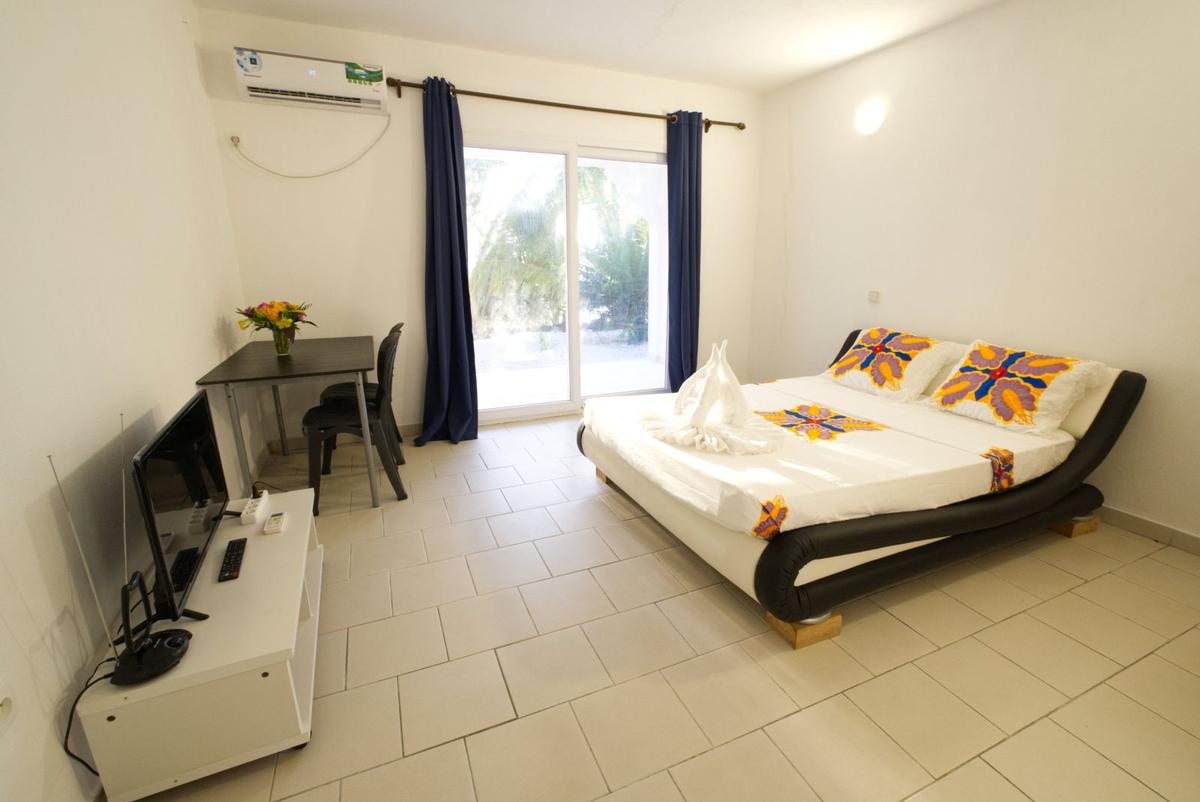
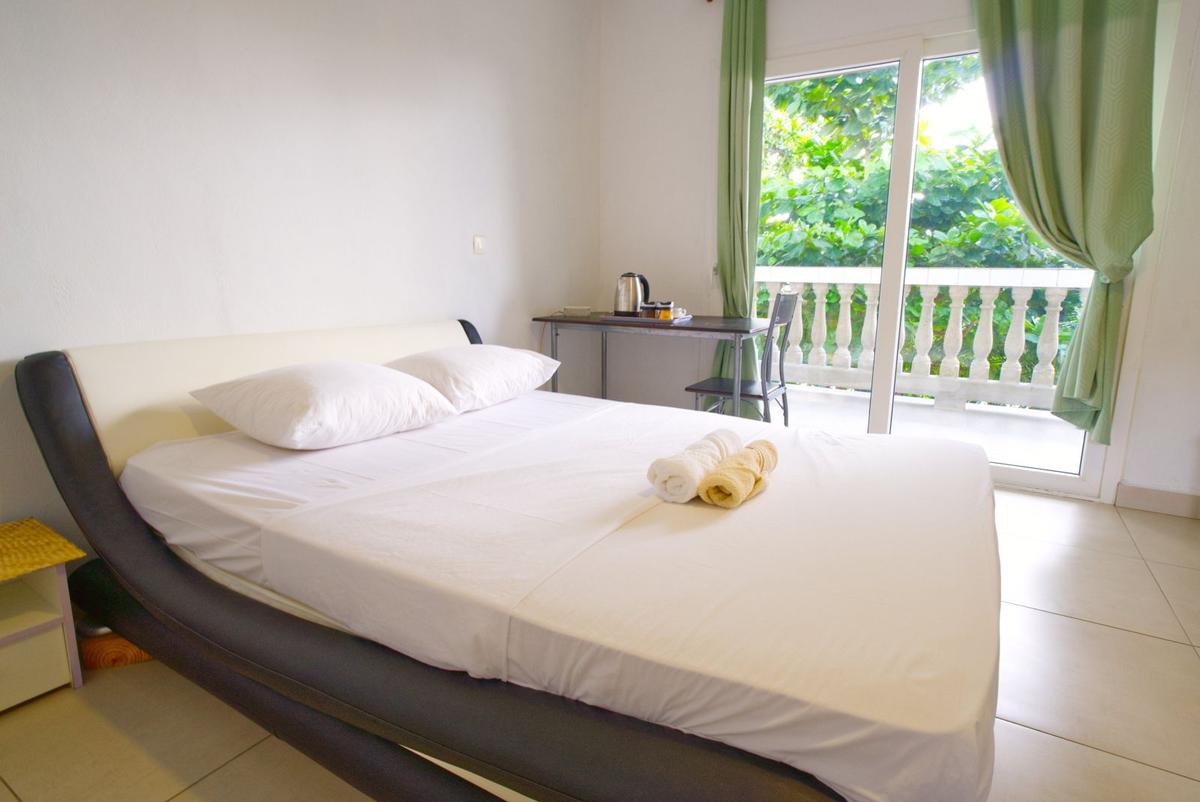
Where to Stay
Afiafi Hotel
Double Room · Triple Room
NZ$153/night
Dining on a Budget in Wallis and Futuna
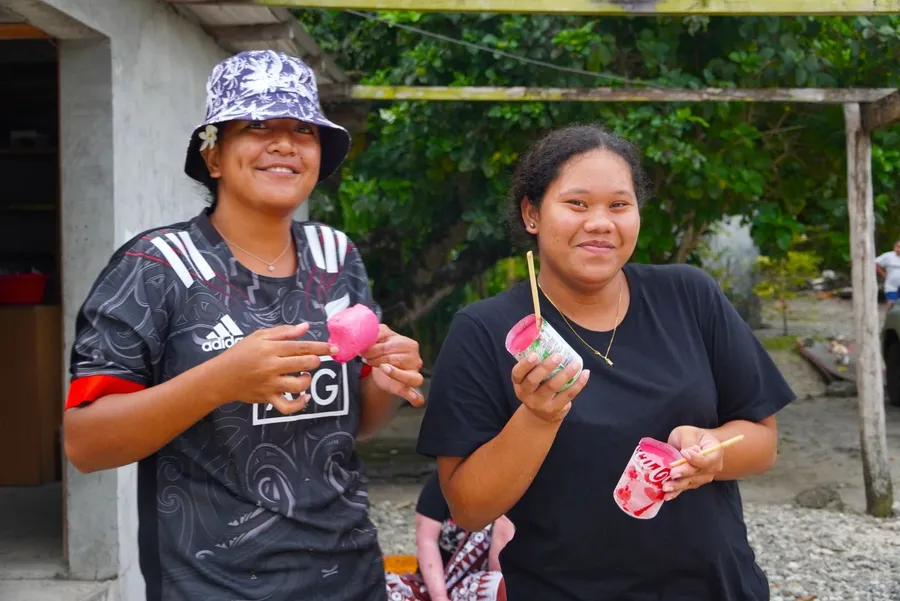
Food in Wallis and Futuna is a rewarding mix of French influence, Polynesian staples and fresh local seafood. Dining options are limited compared to more developed Pacific destinations, but that is part of the charm. Expect small restaurants, hotel dining, snacks, home-style meals and food experiences that often connect you directly with the land, sea and local hosts.
Everything you need to know about food in the territory can be found in The Food Guide to Wallis and Futuna: Places to Eat and Food Tours. When it comes to saving money on food, check out the 15 Tips to Save Money in Wallis & Futuna.
Restaurants and Cafés
Wallis has the widest choice of restaurants, cafés and snacks, with options ranging from casual takeaways and pizzerias to lagoonfront dining, Asian food, seafood and French Pacific fusion. Futuna has fewer dining options, but its food scene feels more intimate, with hotel restaurants, local snacks and home-style dining experiences that are often worth booking ahead.
Learn more about your options in the 20 Best Restaurants in Wallis & Futuna.
Self-Catering
Self-catering is possible in Wallis and Futuna, especially if you are staying in a guesthouse, bungalow or self-contained unit. Wallis has the better supermarket choice, while Futuna has smaller but useful grocery stores. Stock can vary depending on shipping, and prices are high due to freight costs, so it pays to plan ahead.
As self-catering is such a big topic to cover, we have a separate guide in A Guide to Supermarkets and Food Shopping in Wallis and Futuna.
Special Diets
Special diets require planning in Wallis and Futuna. Restaurants may be able to adapt simple dishes, especially around seafood, rice, vegetables and salads, but do not expect a wide choice of vegan, vegetarian or gluten-free meals. If staying in a guesthouse, homestay or hotel, let your host know about dietary requirements before you arrive.
See the Wallis & Futuna for Vegans & Vegetarians + 10 Best Restaurants and The Gluten-Free Guide to Wallis & Futuna.
What Food to Try
Seafood is the big one in Wallis and Futuna, from fresh fish and sashimi to dishes served with French-style sauces and accompaniments. Also look out for traditional umu meals, taro, tropical produce, coconut-based dishes and more personal food experiences such as fishing trips, taro plantation visits and community feasts.
Find more ideas in the 5 Foods & Drinks to Try in Wallis and Futuna.
Food and Water Safety
Food in restaurants and accommodations is generally prepared to safe standards, but travellers should still use common sense with remote island dining. Drink bottled or properly filtered water if you are unsure about the tap water, and check with your accommodation about the safest option for your stay.
For all things food in Wallis and Futuna, including foodie tours, restaurant recommendations and local dining tips, head to The Food Guide to Wallis and Futuna: Places to Eat and Food Tours.
Typical Costs for a Trip to Wallis and Futuna
We all travel very differently. Therefore, making a precise budget for everyone is an impossible task. Nevertheless, you can work out your own needs, and therefore budget, by simply looking at the typical prices listed below or in our article, How Much Does a Trip to Wallis & Futuna Cost?
The Cost of Accommodation
- Camping – 0 XPF, water taxi fees apply
- Budget hotel room per night – 7,000-8,000 XPF
- Mid-range hotel room per night – 12,000-16,100 XPF
- Homestay or guesthouse per night – 5,000-12,300 XPF
- Self-contained unit or holiday home rental per night – 15,000-20,000 XPF
The Cost of Food
- Main breakfast meal – 400-4500 XPF
- Main lunch meal – 1,200-3,500 XPF
- Main dinner meal – 1,500-6,600 XPF
- Small coffee – 350-600 XPF
- Bottle of beer – 700-1800 XPF
- Bottle of wine – 4,000-9,500 XPF
- Cocktail – 1,200-2,500 XPF
- Mocktail/Smoothie – 800-1,200 XPF
- Soft drink – 400-500 XPF
The cost of supermarket food can be found in The Cost of a Trip to Wallis and Futuna.
Land Activity Prices
- Museum and gallery entry/adult – 1,000 XPF
- Guided sightseeing tour/adult - 10,500 XPF
- Bicycle rental/day – 0-1,500 XPF
- Tapa painting workshop – 7,000 XPF
Water Activity Prices
- Snorkelling tour/half day per person – 2,500-6,000 XPF
- Catamaran tour/adult – 3,000 XPF
- Kayaking tour/adult – 4,500 XPF
- Guided boat tour/group – 10,500-15,500 XPF
- Fishing charter/group – 10,500 XPF
- One tank scuba dive – 6,500–9,000 XPF
- Scuba diving Level 1 certification – 50,000 XPF
- Lagoon tour with meal/adult – 7,500-10,000 XPF
- Lagoon tour without meal/adult – 5,000 XPF
Transport Prices
- Bicycle rental/day – 0-1,500 XPF
- Car rental/day (entry-level SUV) – 8,000–9,000 XPF
- Airport transfers provided by hotels/one way - 500-3,000 XPF
- Taxi boat transfers/return – 1,500–8,000 XPF
- Wallis – Futuna/round trip – 10,000 XPF
Spending Money for Wallis and Futuna
Here are a few averages for a daily budget for Wallis and Futuna. These include food, activities, transport and miscellaneous expenses. Each price is per person per day:
- Budget - 11,935 XPF
- Mid-Range - 31,460 XPF
- Luxury - 43,835+ XPF
We break down the budgets further in The Cost of a Trip to Wallis and Futuna.
More About Backpacking and Travelling on a Budget in Wallis and Futuna
That's it for our complete backpacking and budget guide to Wallis and Futuna, but it is by no means the end of our holiday advice! Check out the following guides for more essential budget tips:
- 20 Tips to Save Money in Wallis and Futuna
- A Self-Guided Day Trip on Wallis: One Day Itinerary
- A Self-Guided Day Trip on Futuna: One Day Itinerary
And if you simply can't get enough W&F wisdom, head over to the 30 Tips for Travelling in Wallis and Futuna.
Happy travels and thanks for checking out this budget and backpacking guide to Wallis and Futuna!

-SEB%20CREDIT%20WallisandFutunaPocketGuide.com-900x601.webp?v=2026-04-07T00%3A26%3A06.322Z)
-SE%20CREDIT%20WallisandFutunaPocketGuide.com-900x601.webp?v=2026-04-07T00%3A25%3A41.612Z)