

-%20BNCC%20CREDIT%20WallisandFutunaPocketGuide.com.webp?v=2026-05-19T02%3A01%3A49.993Z)
Aga‘ifenua: A Guide to the Cultures of Wallis and Futuna
Nestled in the heart of the Pacific Ocean lies one of the world's most fascinating cultural paradoxes: a single French territory housing two completely distinct civilisations.
The cultures of Wallis and Futuna represent something truly extraordinary in our modern world. Despite sharing the same territorial status under French administration, the Wallisian and Futunan cultures couldn't be more different from one another.
On Wallis (locally known as Uvea), you'll discover a Polynesian culture with its own unique language, customs and traditional dress. Meanwhile, just 230 km (143 mi) away, Futuna maintains its own distinct identity, complete with different linguistic roots, ceremonial practices and cultural expressions.
It's like having two separate countries within one territory, each fiercely proud of their individual heritage. Think of it as the ultimate sibling rivalry, where French serves as the common language that brings them together (though each island speaks its native tongue with passionate pride).
From what we've experienced during our visits, this cultural duality creates a captivating travel experience. You can witness completely different kava ceremonies, taste distinct traditional cuisines and observe unique artistic traditions, all falling under the term known locally as "Aga‘ifenua".
Ready to dive into the myriad of arts and crafts, ceremonial traditions, mouth-watering local cuisine, traditional attire, population insights and discover where these fascinating communities call home? Let's explore what makes each culture so beautifully unique.
This article is based on real on-the-ground research, not on AI scraping old content from the internet. Learn how we use AI!
Table of Contents
Ways to Experience the Wallisian and Futunan Culture
Before we get into the traditions and customs of the Wallisian and Futunan culture, here are some ways to experience the culture as a visitor:
- Delve into the myths and legends of Wallis at Le Petit Musée des Fagāna.
- Prepare an umu and sail on a traditional canoe with Havili Siliva.
- Join the locals of Futuna in a fale tauasu.
- Stay in a homestay, like FugaUvea or Motu Location.
- Row in rhythm with Avamoana Futuna.
- Join in on a village or district Saint Day celebration.
- Shop for local crafts, woven goods and souvenirs.
- Experience a Sunday church service.
- Explore historical sites like Anakele or Kolonui Fort.
- Join a sarong painting workshop with Faleafe.
All of these experiences are described in detail in the 10 Best Cultural Activities in Wallis and Futuna.
-SEB%20CREDIT%20WallisandFutunaPocketGuide.com.webp?v=2026-04-07T00%3A35%3A32.673Z)
Wallisian and Futunan Societal Structure
Wallisian and Futunan society is shaped by family, village life, Catholic faith, customary authority and the French State. What makes Wallis and Futuna especially fascinating is that it is not one single traditional kingdom, but three: Uvea on Wallis, and Alo and Sigave on Futuna. These kingdoms still play a central role in everyday life, sitting alongside the modern French administration in a way that feels quite unique in the Pacific.
Custom Wallisian and Futunan Society: Family, Village and Kingdom
As in many Polynesian societies, family is at the centre of life in Wallis and Futuna. Identity is strongly tied to one’s family, village and island, with social responsibilities often extending well beyond the immediate household. Respect for elders, helping relatives, contributing to ceremonies and maintaining family land connections are all important parts of daily life.
Above the family and village level sits the customary kingdom. Uvea covers Wallis, while Futuna is divided into the kingdoms of Alo and Sigave. Each kingdom has its own king, ministers and customary chiefs, with leaders generally chosen from recognised chiefly or royal lineages. Each king has both customary and administrative responsibilities, and the kings also sit in the Territorial Assembly.
What are the Three Kingdoms in Wallis and Futuna?
The kingdom of Uvea is based on Wallis, where royal families elect a king who traditionally carries the title Lavelua, unlike the usual descendant system. The same goes for Futuna, whose kingdoms are divided between Alo and Sigave.
Alo covers the eastern part of Futuna and the uninhabited island of Alofi, while Sigave covers the western part of Futuna. These are not simply symbolic divisions for visitors to ignore. They are part of how people understand place, authority, ceremony and belonging in Wallis and Futuna.
For travellers, this means it is worth remembering that Wallisians and Futunans do not always see themselves as one identical culture. Wallis has strong historical influence from Tonga, while Futunan language and culture are often described as closer to Samoa. That difference is still felt today, from language and oral history to ceremonial life and local identity.
Who Has Authority in Wallis and Futuna?
Wallis and Futuna is a French overseas collectivity, so residents are French citizens and the territory has French republican institutions, including a Prefect and a Territorial Assembly. However, customary authority remains highly significant. The 1961 statute maintains the three monarchies, allowing customary rights to coexist within French law. It also describes the kings as being assisted by a prime minister and customary chiefs, with responsibilities including land matters, family disputes, religious ceremonies and customary ceremonies.
This creates a society with several layers of authority. In simple terms, France provides the state framework, public services and administration, while the customary kingdoms continue to guide many aspects of land, family, ceremony and social order. In other words, the territory rests on three pillars: custom, the French State and the Catholic Church. The latter we'll discuss in the next section.
-IC%26C%20CREDIT%20WallisandFutunaPocketGuide.com.webp?v=2026-04-07T01%3A00%3A07.937Z)
Religion in Wallis and Futuna
Religion lies at the very heart of life in Wallis and Futuna, where an impressive 99% of the population identifies as Catholic, which is something you'll feel from the moment you arrive.
The story begins in the late 1830s when French Marist missionaries first brought Christianity to these shores. What followed was a transformation that shaped not just spiritual life, but the entire cultural fabric of both islands.
Today, churches are the beating heart of each village community. From our own time there, we've witnessed how these sacred spaces become vibrant centres for everything from major feast days and confirmations to communions and village celebrations that blend mass with traditional kava ceremonies, gift exchanges and spirited dancing.
Every village takes immense pride in having at least one church, often trying to outdo neighbouring communities with increasingly grand architecture.
Particularly striking in Futuna, the traditional Fale Tauasu (meeting/kava houses) always sit directly opposite the village church. This deliberate positioning reflects the seamless blend of customary and religious life that defines these islands.
For visitors, attending a Sunday service or witnessing a feast day celebration offers one of the most authentic ways to understand the living culture of Wallis and Futuna. According to locals, these patron saint festivals are among the year's most important events, bringing entire communities together in celebration.
The influence of Saint Pierre Chanel, martyred in Futuna in 1841, remains particularly strong. Historical sites connected to his life and mission dot the landscape, creating a pilgrimage trail that attracts both locals and visitors seeking to understand this pivotal chapter in the islands' spiritual journey.
Be prepared for religion to play a significant role in your visit; it means everything to the people here, and respecting this central aspect of island life will greatly enrich your experience.
-SE%20CREDIT%20WallisandFutunaPocketGuide.com-900x601.webp?v=2026-04-07T01%3A17%3A43.211Z)
Lausikula Guest House
from NZ$205/night
Kava and Katoaga: Ceremony, Respect and Redistribution
Ceremony is one of the clearest ways to see Wallisian and Futunan society in action. While everyday life can feel quiet and modest to visitors, major ceremonies reveal the deeper structure of the islands: family responsibilities, village identity, chiefly rank, Catholic faith and customary authority all coming together in public.
Two of the most important ceremonial elements are the kava ceremony and the katoaga.
Kava Ceremonies and the Fale Tauasu in Wallis and Futuna
Kava is a drink made from the root of the kava plant, prepared in a traditional bowl called a tanoa. In Wallisian and Futunan custom, it is much more than a social drink. It marks respect, rank, welcome and negotiation, and plays an important role during royal ceremonies, chiefly occasions, religious feast days and major community gatherings.
On Futuna, drinking kava at a fale tauasu is a nightly ritual in some communities, usually where men meet to discuss important (and not-so-important) matters. The name, tauasu, itself carries cultural weight, with connotations of "learning to become a Futunan". Though this isn't a literal translation, it speaks to the deeper role these spaces play in cultural transmission and community identity
Katoaga: Gift Giving Ceremonies in Wallis and Futuna
A katoaga, meanwhile, is a ceremonial sharing and redistribution of gifts. This may include pigs, yams, taro, woven mats, tapa, baskets of food and, increasingly, money or modern goods. It can take place for religious festivals, political events such as the enthronement of a king, or private family events such as weddings, communions and funerals. In practice, it publicly shows relationships between families, villages and chiefs, while reinforcing respect and social balance.
What makes these ceremonies especially interesting in Wallis and Futuna is how customary life and Catholic life sit side by side. On important occasions and feast days, mass is usually followed by a kava ceremony, a katoaga and traditional dances. Confirmations and communions are also major family events, not just church services, and often involve wider social obligations.
For travellers, the most important thing to understand is that these are not performances created for tourism. They are living customs that continue to structure community life. Learn more about the cultural protocols surrounding these events in our guide, Wallisian & Futunan Etiquette: Wallis & Futuna Customs & Traditions.
%20CREDIT%20WallisandFutunaPocketGuide.com-900x601.webp?v=2026-04-07T01%3A13%3A56.666Z)
Wallisian and Futunan Arts and Crafts
While many traditional crafts in Wallis and Futuna were originally made for practical, ceremonial and social purposes, today they are most visible through gifts, souvenirs, church events, cultural celebrations and major customary ceremonies.
Many handicrafts are still made from local materials, including pandanus, barkcloth, shells and wood, with mats, tapa cloths, shell necklaces and carved objects among the most recognisable examples.
Though modern materials such as plastic ribbons and synthetic pens and brushes have made a splash on the craft scene over recent years, with some locals also using automated machines to bring their forms to the modern era.
Tapa Cloth
Tapa is one of the most important and distinctive art forms in Wallis and Futuna. Like elsewhere in the Pacific, tapa is made from beaten barkcloth, usually from the inner bark of trees such as paper mulberry. Across the Pacific, tapa has traditionally been used for clothing, mats, ceremonial gifts and important exchanges, with different island groups developing their own names, styles and patterns.
In Wallis, tapa is often referred to as ngatu, showing the strong Tongan influence on Wallisian culture. In Futuna, tapa traditions are especially varied, with forms such as siapo, salatasi or salalua, lafi and tepi, used for large sheets, waist garments, sashes and skirts.
For travellers, tapa is one of the best crafts to look out for in craft shops and markets, with a few examples listed in The Guide to Shopping in Wallis & Futuna + The Best Places to Shop.
Weaving
Weaving is another important skill in Wallisian and Futunan life. Pandanus and other natural fibres are used to create mats, baskets, fans and other practical items, many of which are still used in homes, churches and ceremonies. As in much of Polynesia, woven mats are more than household objects. They can be part of hospitality, status, gifting and ceremonial exchange.
Travellers may see woven goods for sale in local craft shops, with local "GIEs" and women's associations as selling local products and souvenirs, including fans, bookmarks and other craft items.
Learn more about the souvenirs in the 10 Best Souvenirs & Gifts from Wallis & Futuna.
%20Flower%20Garland-%20BNCC%20CREDIT%20WallisandFutunaPocketGuide.com-900x601.webp?v=2026-04-07T01%3A22%3A01.074Z)
Kahoa Kakala (Flower Garlands)
Kahoa kakala, or flower garlands, are one of the most beautiful living art forms in Wallis and Futuna. They may not be the easiest souvenir to pack in your suitcase, but they are among the most memorable cultural details you will notice during your visit.
Traditionally crafted by women, kahoa kakala are worn in everyday life, at work, during important meetings, at graduations, at church events and during special celebrations. In many ways, they show how closely beauty, nature, hospitality and social life are connected in Wallisian and Futunan culture.
The first thing many visitors notice is the scent. Step off the plane and you may be greeted by the sweet fragrance of tiaré blossom garlands, instantly setting the tone for your time in the islands.
Do not be surprised if someone offers you their own garland during your visit. This is not a throwaway gesture, but a genuine sign of welcome, friendship and respect. We find it one of those simple cultural moments that stays with you long after the flowers have faded.
Shell Necklaces and Local Jewellery
Shell necklaces are another common craft in Wallis and Futuna, often made from shells collected on the beaches of motu in the Wallis Lagoon and turned into jewellery or ceremonial adornment. These pieces are among the most accessible souvenirs for visitors because they are easy to transport and often sold alongside tapa, fans and other handmade items.
As with many Pacific crafts, shell jewellery can sit somewhere between everyday decoration and cultural expression. Some pieces are simple souvenirs, while others are more closely tied to local dress, celebration or gifting.
Wood Carving
Wood carving is also part of the craft scene in Wallis and Futuna, particularly through objects connected to traditional life and ceremony. Travellers might come across carved tanoa kava bowls, spears and other decorative wooden items.
The tanoa is especially meaningful because of its connection with the kava ceremony. Although a carved kava bowl can be admired as an art object, it also represents a living cultural practice connected to rank, respect, welcome and community gatherings.
Editor's Choice
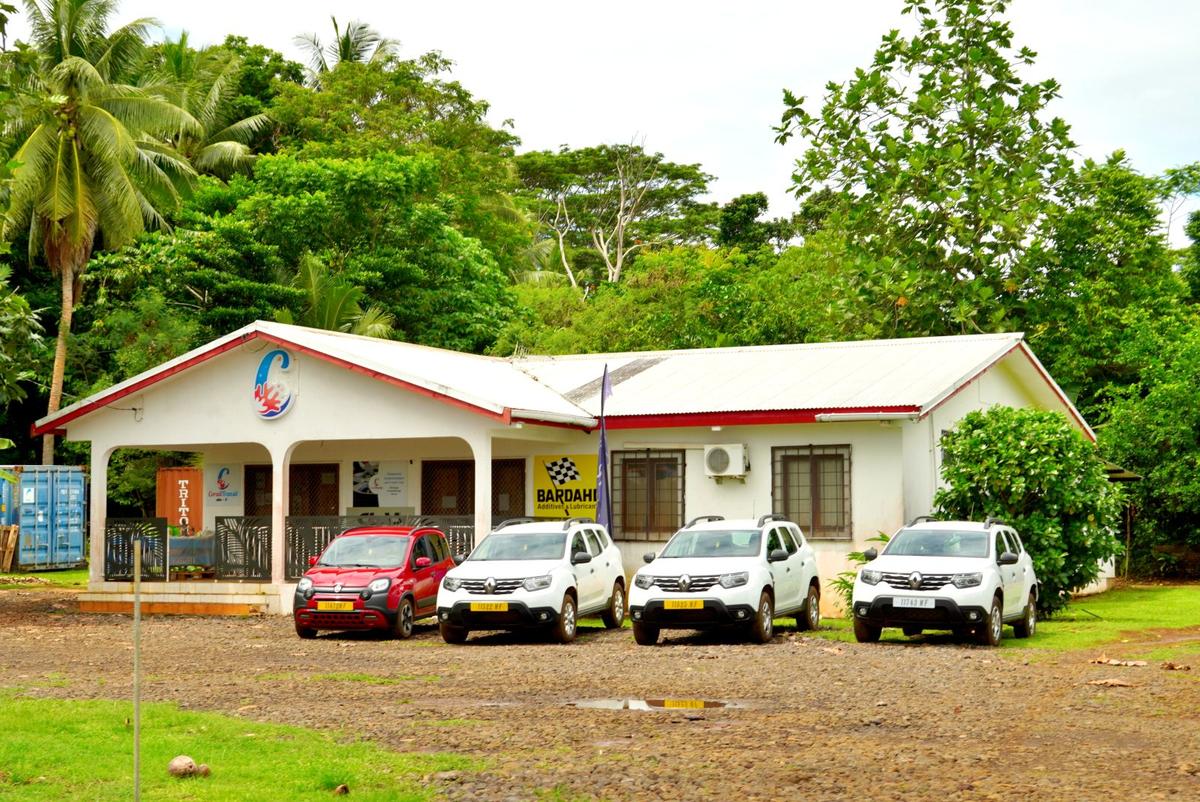
Corail Renting
Explore Wallis in comfort and style with our white Renault Kangoo Cargo van. Perfect for adventurers needing extra space, this practical 2-seater diesel vehicle combines functionality with ease of...
-%20BNCC%20CREDIT%20WallisandFutunaPocketGuide.com-900x601.webp?v=2026-04-07T00%3A50%3A40.504Z)
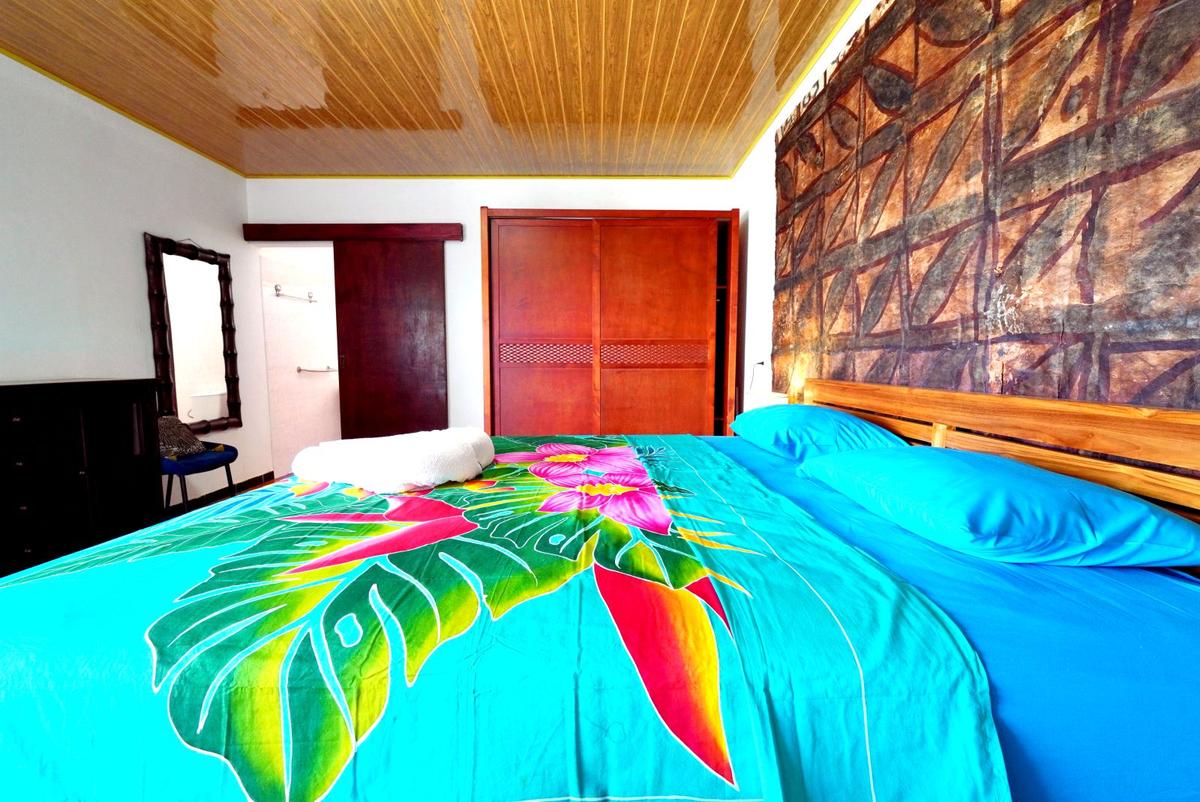
Moana Hou
from NZ$300/night
Wallisian and Futunan Traditional Food and Drink
Like most cultures, food plays an important role in the Wallisian and Futunan lifestyles. While nowadays, locals enjoy a variety of international foods, particularly French and Asian dishes, there are a few traditional Wallisian and Futunan snacks and dishes that hold strong for family gatherings.
For your complete bible to all things "food", check out The Food Guide to Wallis & Futuna: Places to Eat & Food Tours.
Traditional Meals of Wallis and Futuna
One of the most cherished culinary traditions you'll encounter in Wallis and Futuna is the umu, an ancient underground cooking method that transforms simple ingredients into something truly magical. Hot volcanic rocks are placed in an underground pit, creating a natural earth oven that slowly cooks pork, fresh fish and local seafood to perfection, resulting in incredibly tender, smoky-flavoured meat.
For a delightful sweet treat, you'll want to try faikai, a beloved local dessert that showcases the islands' tropical bounty. This traditional delicacy starts with grated cassava or taro, expertly mixed with rich coconut milk to create a smooth, sweet dough that's lovingly cooked in fragrant coconut syrup.
There's a lot more where that came from, so head to our guide, Traditional Wallis and Futuna Food & Drink: 5 Foods to Try for more meals.
Wallisian and Futunan Drinks
Perhaps a little easier to try on the go, you can sample kava at fale tauasu on Futuna and local beer at the brewery itself, as well as restaurants around Wallis. Check out Traditional Wallis and Futuna Food & Drink: 5 Foods to Try for more details.
As we've already mentioned, kava holds a special place in Wallisian and Futunan culture, and we love how it brings communities together. Made from ground pepper plant root and mixed with bottled water, it's generally safe to drink and offers a uniquely cultural experience.
On Futuna, you'll discover fale tauasu (traditional kava bars) positioned opposite churches in each village. After dark, local men gather on woven mats to drink kava and chat about island life. Getting invited is surprisingly straightforward; simply mention your interest to hotel hosts or locals you meet.
Wallisian and Futunan Languages
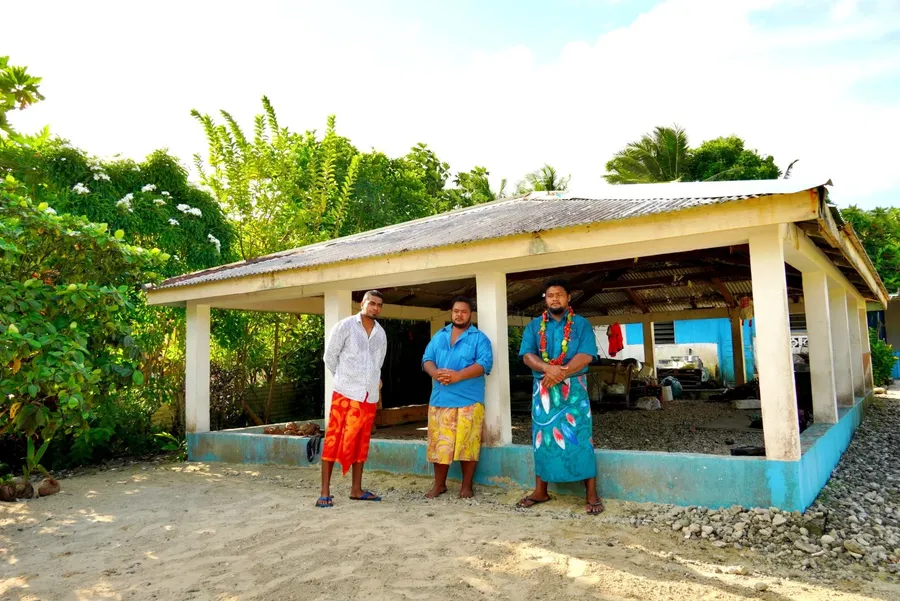
Wallis and Futuna is home to three official languages: French, Wallisian and Futunan. French is the language of administration, schools and official documents, while Wallisian and Futunan are the native Polynesian languages used by locals in everyday life.
Wallisian, also known as Uvean, is spoken mainly on Wallis, while Futunan is spoken on Futuna. The two languages are distinct, so it is worth remembering that Wallis and Futuna are not linguistically identical. Wallisian has strong links with Tongan, while Futunan is more closely related to Samoan.
Learn about the history of the language, how to pronounce useful words and how to say important phrases in What are the Wallisian and Futunan Languages?
People and the Population of Wallis and Futuna
What is the Population of Wallis and Futuna?
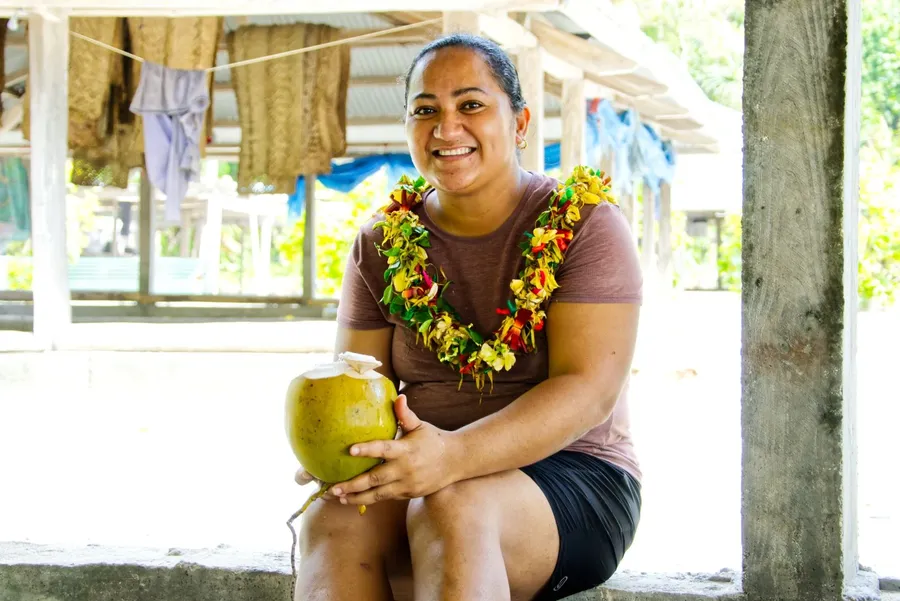
According to the National Institute of Statistics and Economic Studies (INSEE), the population of Wallis and Futuna is approximately 11,151, with most residents being of Polynesian descent, mainly Wallisian (Uvea) and Futunan.
What is the Ethnic Makeup of Wallis and Futuna?
The ethnic makeup of Wallis and Futuna, according to the 2023 census data, is made up of the following ethnic groups:
- Polynesian (Wallisian & Futunans): 11,031 (98.9%)
Wallisian: 6,568 (58.9%)
Futunan: 3,356 (30.1%) - French Speakers Only (Metropolitan/Other): 1,204 (10.8%)
- Other Pacific Islanders, Asian, Some Other Race or Ethnic Group: 23 (0.2%)
Where Do Wallisians and Futunans Live?
The population is mainly concentrated on the two main inhabited islands. Most people in Wallis live around Mata-Utu and surrounding coastal villages, while in Futuna, settlements are spread along coastal areas such as Leava and surrounding villages, with much of the interior remaining sparsely populated.
The Wallisian and Futunan diaspora is larger than the population living in Wallis and Futuna itself. Around 25,000–30,000 people of Wallisian and Futunan descent live overseas, mainly in New Caledonia, metropolitan France, and other French territories.
New Caledonia hosts the largest community, with about 22,500 people identifying as Wallisian or Futunan, making up roughly 8% of its population. Many are second- or third-generation residents, mostly based in Nouméa and nearby areas.
Migration is driven by employment, education, and healthcare opportunities, while strong cultural and family ties remain between the diaspora and the islands of Wallis and Futuna.
%20CREDIT%20WallisandFutunaPocketGuide.com-900x601.webp?v=2026-04-07T00%3A31%3A19.694Z)
Motu Location
from NZ$120/night
Wallisian and Futunan Customs
As discussed throughout this guide to the Wallisian and Futunan cultures for travellers, Wallis and Futuna is a place where custom, Catholic faith and community life are deeply connected. That also means there are a few important etiquette rules to keep in mind when visiting, especially around clothing, ceremonies, kava, beaches and sacred places.
Clothing Etiquette in Wallis and Futuna
When it comes to clothing, modesty is appreciated, particularly in villages, churches and during traditional ceremonies. Standard casual clothing like pants, long skirts, blouses and shirts is perfectly acceptable, while shorts and T-shirts are fine as long as they are not too short or revealing.
Swimwear should generally be kept for the beach, pool or remote motu. If you are swimming near a village or residential area, it is more respectful to cover up with shorts and a T-shirt rather than walking around in bikinis or revealing swimwear.
For church, men should wear long trousers and a collared shirt, while women should cover their knees and shoulders. The same modest approach applies to traditional ceremonies and kava gatherings, where visitors should also remain seated and avoid moving around during speeches or formal moments.
Other Wallisian and Futunan Customs and Etiquette
A few other customs are worth knowing before travelling around the islands.
Always ask permission before taking photos, especially during ceremonies, speeches or community events, and avoid taking photos altogether if the moment feels sacred or formal. When drinking kava in a fale tauasu, remove your shoes and follow the lead of locals. If visiting or camping on a motu or Alofi, seek permission first, as land and access are often connected to local families or customary authority.
One small but meaningful detail is that kahoa kakala, or flower garlands, should not be worn at historical sites. These beautiful garlands are a sign of welcome, celebration and everyday island life, but they are not appropriate everywhere.
Overall, the best rule is simple: slow down, ask when unsure and follow local guidance. Go into all of the details of these customs in Wallisian and Futunan Etiquette: Wallis and Futuna Customs and Traditions.
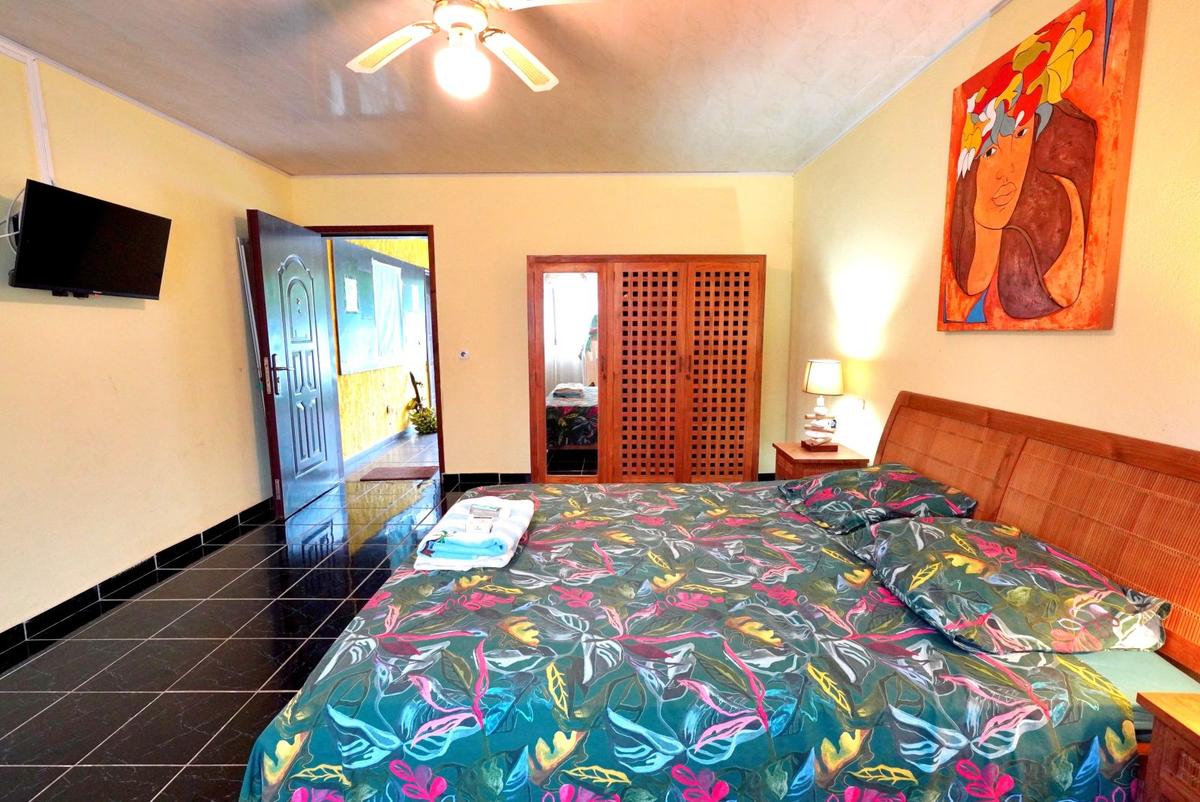
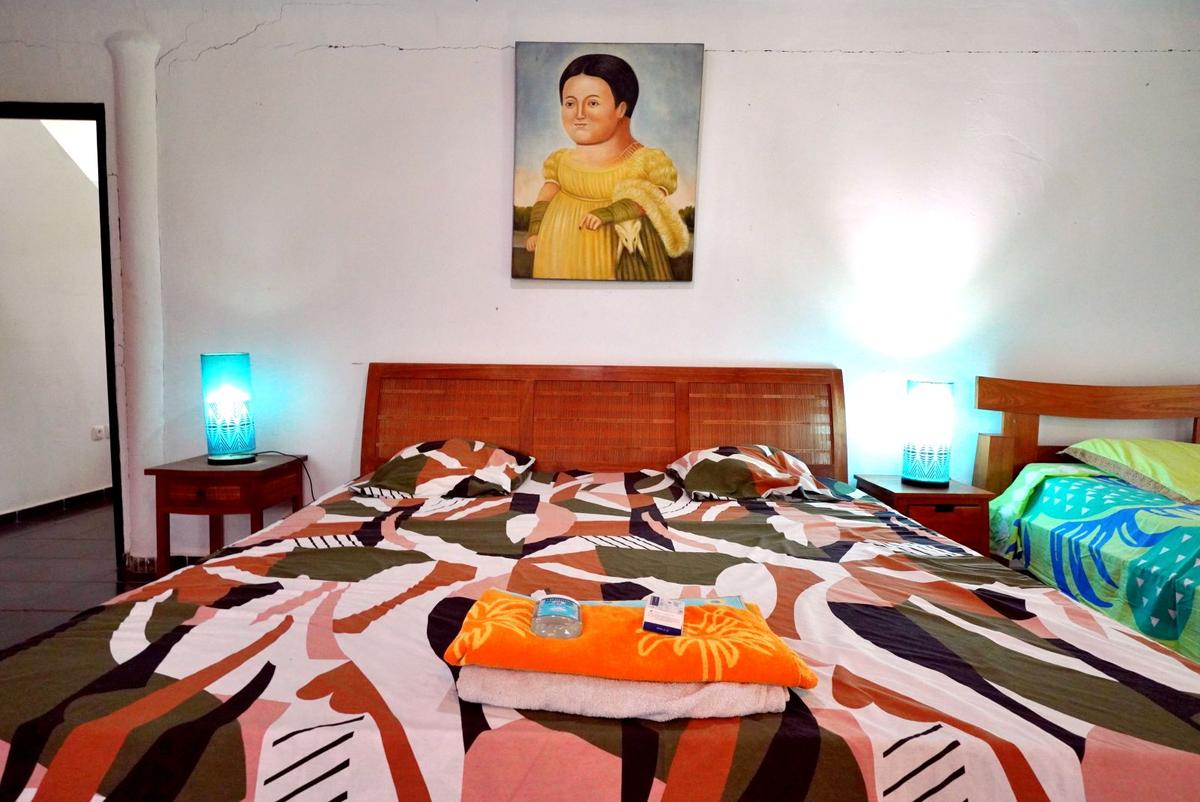
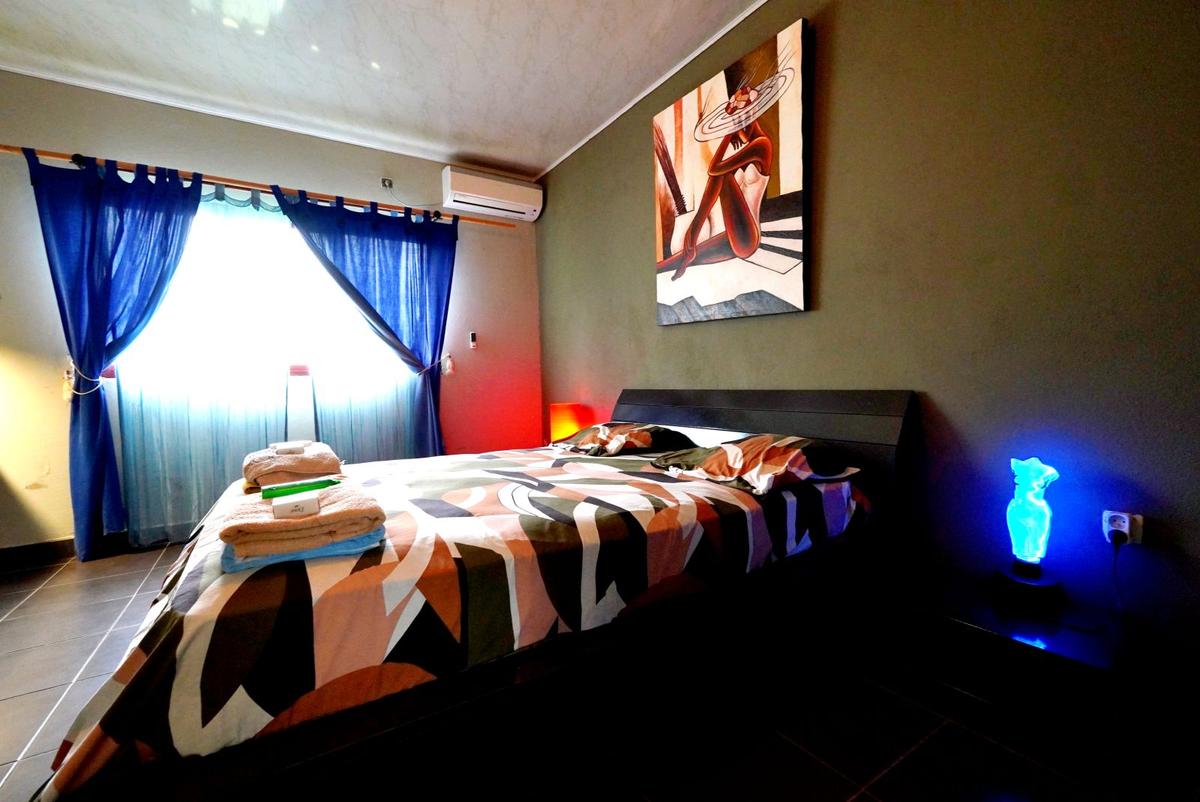
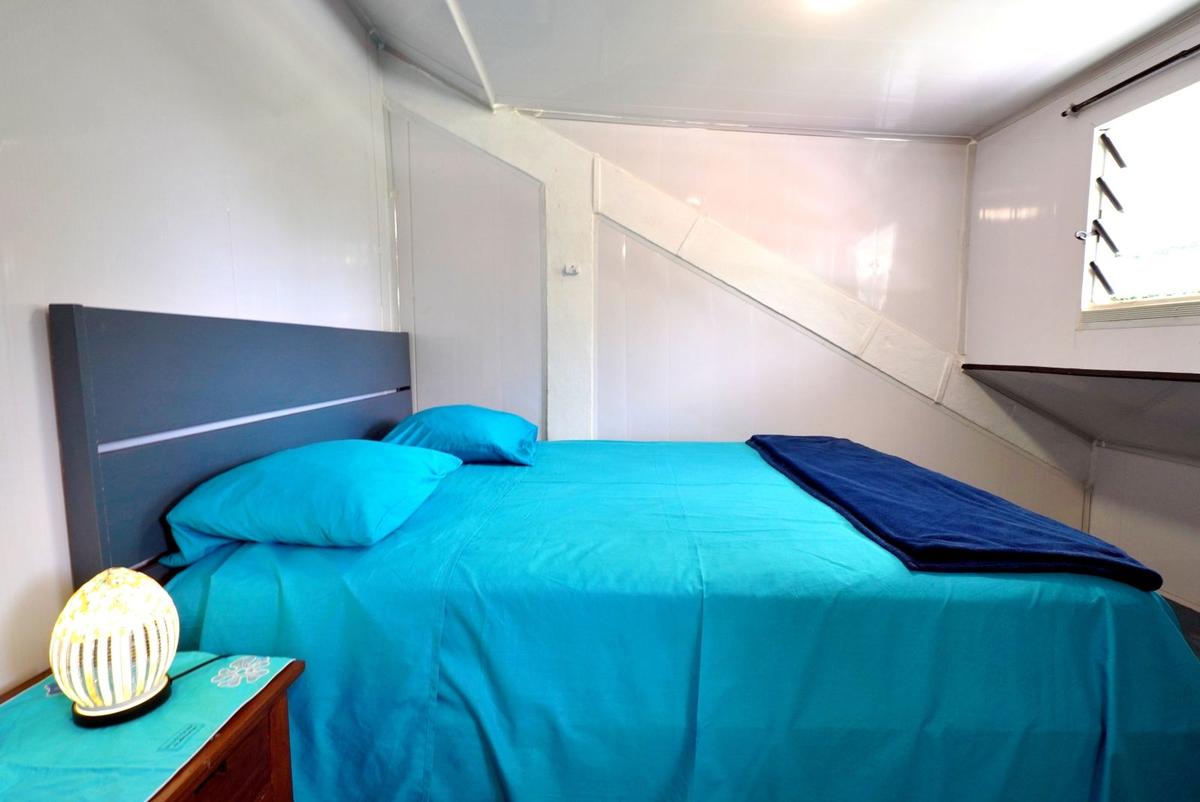
Where to Stay
Lausikula Guest House
Room 2 (Large Double) · Room 4 (Family Room) · Room 1 (Premium)
NZ$205/night
More About the Wallisian and Futunan Cultures
That's it for our guide to the Wallis and Futuna culture, but the culture is so complex that we certainly have more to say on the matter! Check out our other guides concerning the culture of Wallis and Futuna:
- Wallis and Futuna Etiquette: Wallis and Futuna Customs & Traditions
- 10 Best Cultural Activities in Wallis and Futuna
- 10 Best Historical Sites in Wallis and Futuna
Finally, don't miss a thing about planning a trip to Wallis and Futuna by checking out The Complete Travel Guide to Wallis and Futuna and 30 Tips for Travelling in Wallis and Futuna.

-BI%20CREDIT%20WallisandFutunaPocketGuide.com-900x601.webp?v=2026-05-20T02%3A42%3A42.396Z)
-SEB%20CREDIT%20WallisandFutunaPocketGuide.com-900x601.webp?v=2026-04-07T00%3A26%3A06.322Z)