

%20CREDIT%20WallisandFutunaPocketGuide.com.webp?v=2026-04-25T00%3A21%3A35.012Z)
Essential Travel Tips for Your First Time in Wallis & Futuna
Looking for a getaway with the perfect balance of historical finds and natural beauty? Perhaps an authentic destination with a proud culture instead of spoiled and touristy? Where you revel in turquoise lagoons and natural wonders one minute and enjoy French-Pacific cuisine the next? Well, you could be picturing the islands of Wallis and Futuna.
With its unique position as a French collectivity, combined with the fact that it isn't one of the easiest islands to escape to in the South Pacific, there are a few quirks that you need to know about, as well as some handy tips that will make that trip seamless. We go through them all in this list of Wallis and Futuna travel tips and the things you need to know about travelling in Wallis and Futuna!
This article is based on real on-the-ground research, not on AI scraping old content from the internet. Learn how we use AI!
Table of Contents
1.Most People Don’t Need a Visa for Wallis and Futuna
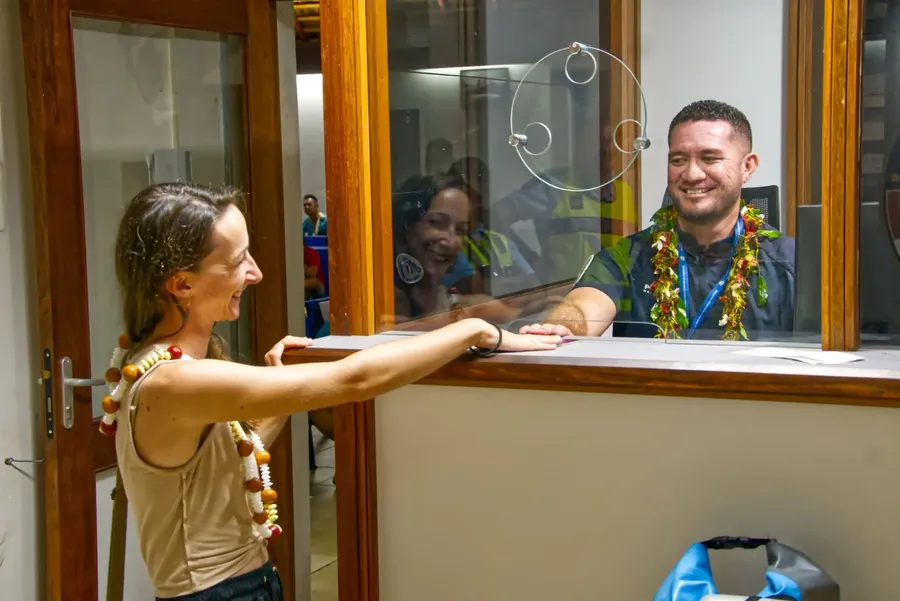
Citizens from more than 90 countries can enter Wallis and Futuna with ease, needing no more than a valid passport to enter this French collectivity.
Those not from a visa-exempt country will need to apply for a short-stay visa for Wallis and Futuna.
Visitors can stay in Wallis and Futuna for up to 90 days (3 months).
Find out more about entry in Wallis and Futuna in our guide, Wallis & Futuna Tourist Visa: Do You Need a Visa to Visit Wallis & Futuna?
2.But You Do Need to Book Your Accommodation Before Arrival
-CUNL%20CREDIT%20WallisandFutunaPocketGuide.com-900x601.webp?v=2026-04-07T00%3A28%3A20.991Z)
Here's something that catches many visitors off guard: Wallis and Futuna requires proof of accommodation covering your entire stay.
Now, before you start panicking, it's actually quite straightforward. You'll simply need to state your accommodation details on the Passenger Arrival Card during your flight.
That said, we always recommend having your booking confirmation email readily available when you arrive. Border control officers might want to see evidence, and it's much easier to hand it over than to scramble through your phone trying to find that buried email (with no internet).
As a pro tip, all accommodations booked through Book.WallisandFutunaPocketGuide.com send a booking confirmation email, as well as reminders.
3.Know What You Need to Declare and What You Can Bring to Wallis and Futuna
-BI%20CREDIT%20WallisandFutunaPocketGuide.com-900x601.webp?v=2026-04-11T21%3A15%3A26.830Z)
Corail Renting
from NZ$120
Nobody wants their holiday to start with a customs headache, so it's worth knowing what you can and can't pack before you fly.
Wallis and Futuna takes biosecurity seriously (and rightly so), which means you'll need to declare anything that could potentially harm the islands' delicate ecosystem or economy. This includes certain foods, plants and other items that might seem harmless but could cause real problems.
The good news? There's still a generous duty-free allowance, so you can bring plenty of treats and gifts without breaking the bank.
From our experience, it's much easier to check the rules beforehand than try to explain why you've packed that questionable snack at the airport. You'll find all the details about what's allowed and what's not in our comprehensive guide: Arriving in Wallis & Futuna: Airport Customs, Quarantine & Arrival Process.
4.Tourism Isn't Really a Thing, So Keep an Open Mind
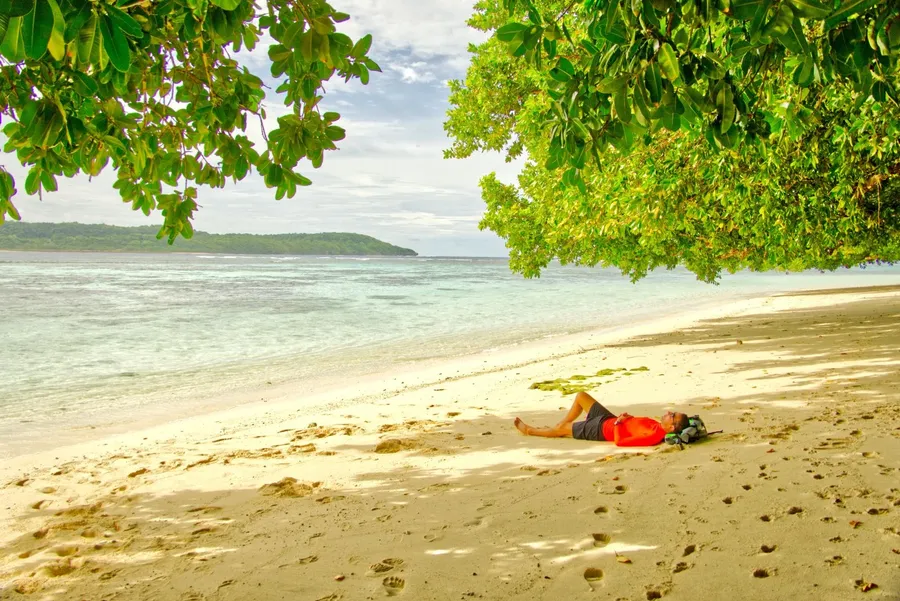
Don't expect a polished tourism machine when you arrive in Wallis and Futuna: there are only a handful of tour operators and accommodations, and they're mostly catering to business travellers and locals rather than tourists.
As we've discovered firsthand, you'll meet quite a mix of characters during your stay, and service standards can vary quite a bit from what you might expect elsewhere.
The key to enjoying your time here? Embrace that mali'e oki (no worries in Futunan) mindset. Whether it's finding there's no rubbish bin in your room or discovering your breakfast consists of just a couple of slices of bread despite the price tag, roll with it.
From our experience, these little quirks don't happen everywhere or all the time, but they do happen. The hospitality industry here is still developing.
That said, many locals are absolutely lovely, and the Wallisian and Futunan cultures are still fascinating to encounter when they let you in. In our experience, this lack of commercial tourism actually makes your discoveries more rewarding.
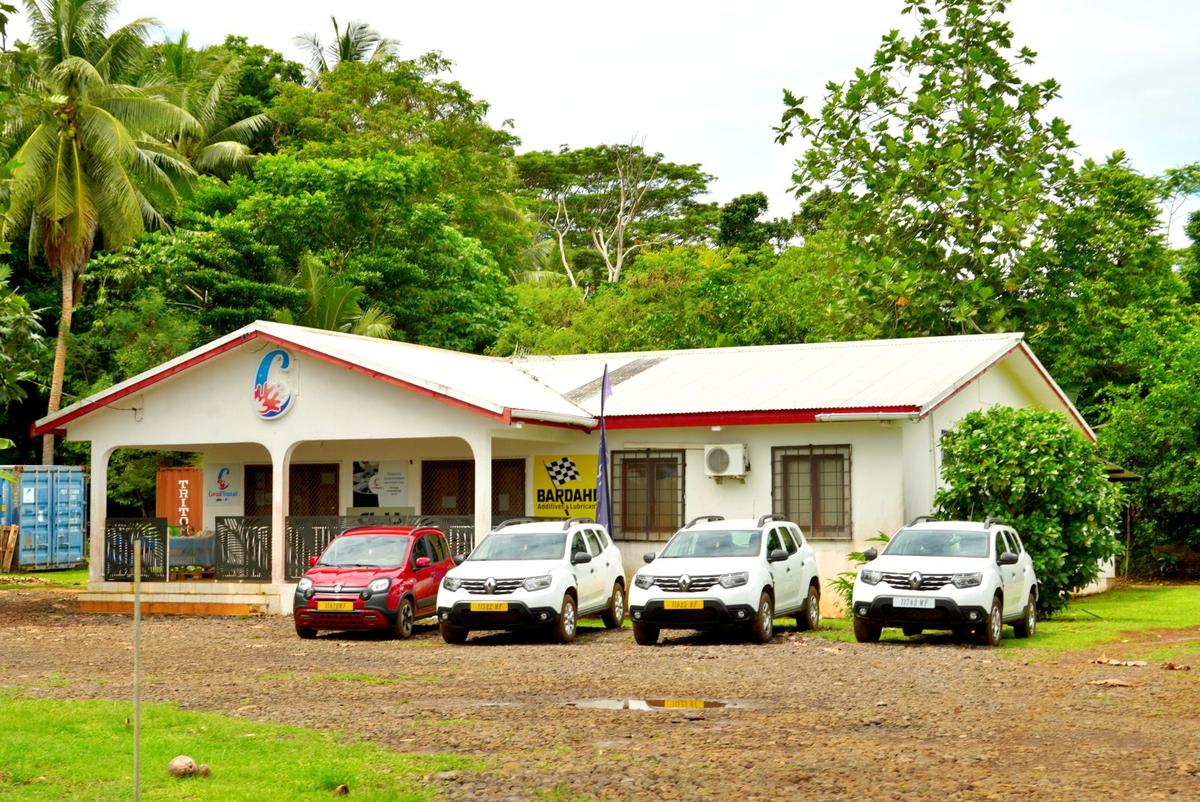
Editor's Choice
Corail Renting
Explore Wallis in style with our nippy Fiat Panda Hybrid, the pluckiest pocket-sized SUV on the island. Perfect for navigating local roads, this eco-friendly ride seats five and comes with air...
5.Visit the Motu and Alofi Island
-SEB%20CREDIT%20WallisandFutunaPocketGuide.com-900x506.webp?v=2026-04-11T21%3A09%3A06.118Z)
Here's where the magic of Wallis and Futuna truly comes alive and it's not on the main islands where most visitors land.
Most travellers touch down on Wallis (Uvea), but we've discovered that the real treasures lie scattered across the surrounding waters. Wallis and Futuna consists of three main islands and around 15 motu (islets), each offering its own slice of paradise and unique charm.
Island-hopping here is absolutely essential!
Alofi is technically uninhabited (though according to locals, there might be one permanent resident). You can literally spend days exploring this secluded gem, hiking through endless stretches of pristine beach, wandering lush forests, and discovering historical sites and caves-turned-shrines.
These small-scale Robinson Crusoe experiences are what Wallis and Futuna is truly about. The main islands are lovely, but the motu and Alofi are where you'll find the soul of this destination.
For detailed exploration ideas, check out our 15 Best Islets (Motu) to Visit in Wallis and A Self-Guided Day Trip on Alofi: One Day Itinerary.
And if you have to choose between Wallis and Futuna, take a look at Which is Better, Wallis or Futuna?
6.Learning Some French Will Go a Long Way
LS Location
from NZ$100
That's right, English isn't as widely spoken as you might expect in this corner of the South Pacific.
While you'll find English translations on maps and the passenger arrival card, most locals communicate in French, Wallisian or Futunan. Only a rare few speak English fluently, so brushing up on some basic French phrases will make your trip infinitely smoother.
Want to really impress? Learning a few key phrases in Wallisian or Futunan will absolutely delight the locals and earn you some genuine smiles.
We recommend getting started with our guide, What are the Wallis & Futuna Languages?, before you go. You'll be amazed at how much warmer your interactions become when you make that extra effort to connect in the local language.
7.Pack Right for the Tropical Climate
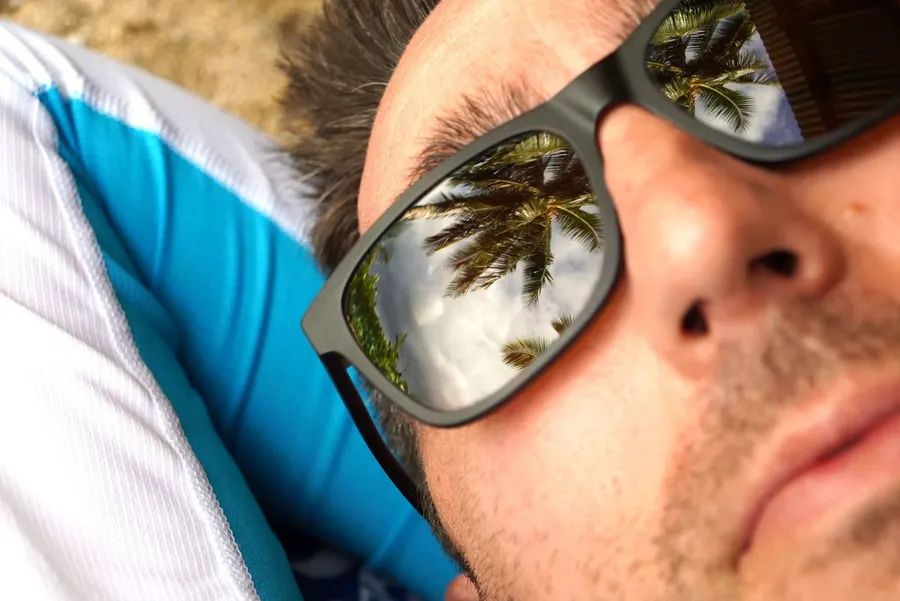
With temperatures reaching average highs of 29°C (84°F) and high humidity all year round, Wallis and Futuna calls for a tropical wardrobe!
Light clothing, sun protection, swimwear and sandals/flip-flops are all essentials, whilst other useful items like snorkelling gear, rash vests and walking shoes are optional extras.
Don't worry, we've got every item covered in What to Pack for Wallis and Futuna: A Full Wallis and Futuna Packing List.
8.Ask Permission Before Swimming at a Beach Infront of Someone's House
%20Landscape%20CREDIT%20WallisandFutunaPocketGuide.com-900x506.webp?v=2026-04-07T01%3A16%3A15.078Z)
That stunning beach you're eyeing? If it is in front of someone's house, be sure to ask permission before swimming there.
In Wallis and Futuna, many of the most beautiful beaches sit right in front of local homes, and land holds deep cultural significance in Polynesian tradition. We always make it a point to say hello and acknowledge the homeowners before heading to the beach for a swim.
The key is simple acknowledgement. From our experience, locals are incredibly welcoming when you show respect rather than assuming it's your right to wander onto their beachfront.
A friendly wave and asking, for example, "Is it OK to swim here?" or "Est-ce qu'on peut se baigner ici?" goes a long way (and it's usually absolutely fine once you've made that connection).
For more insights into local customs, check out our Wallis and Futuna Etiquette: Local Customs & Traditions guide.
Where to Stay
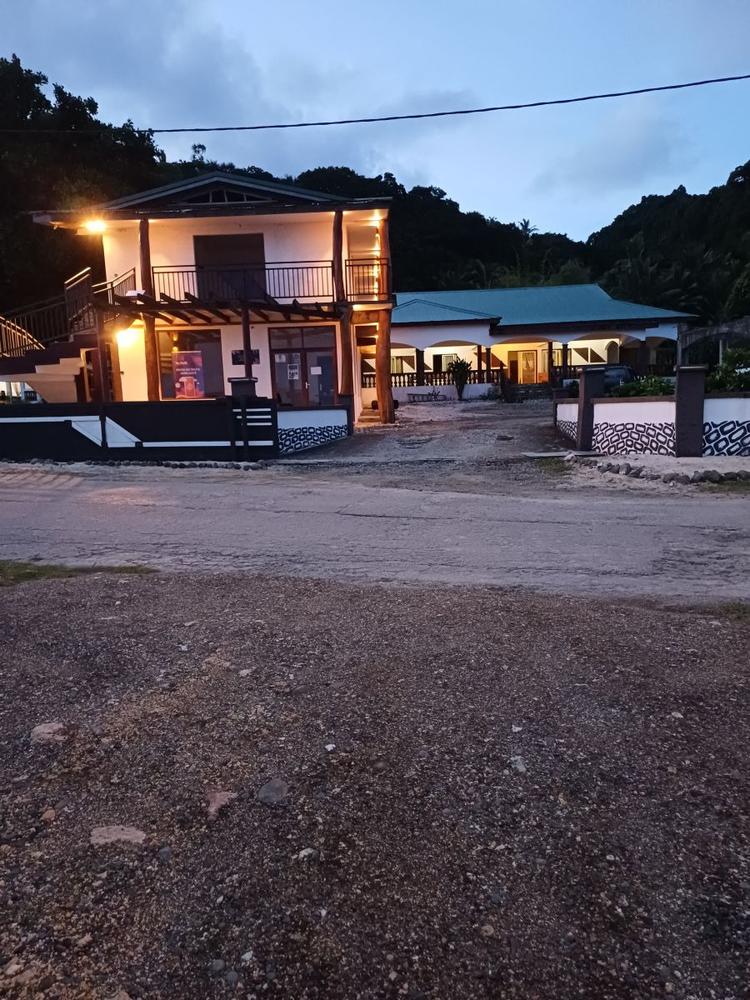
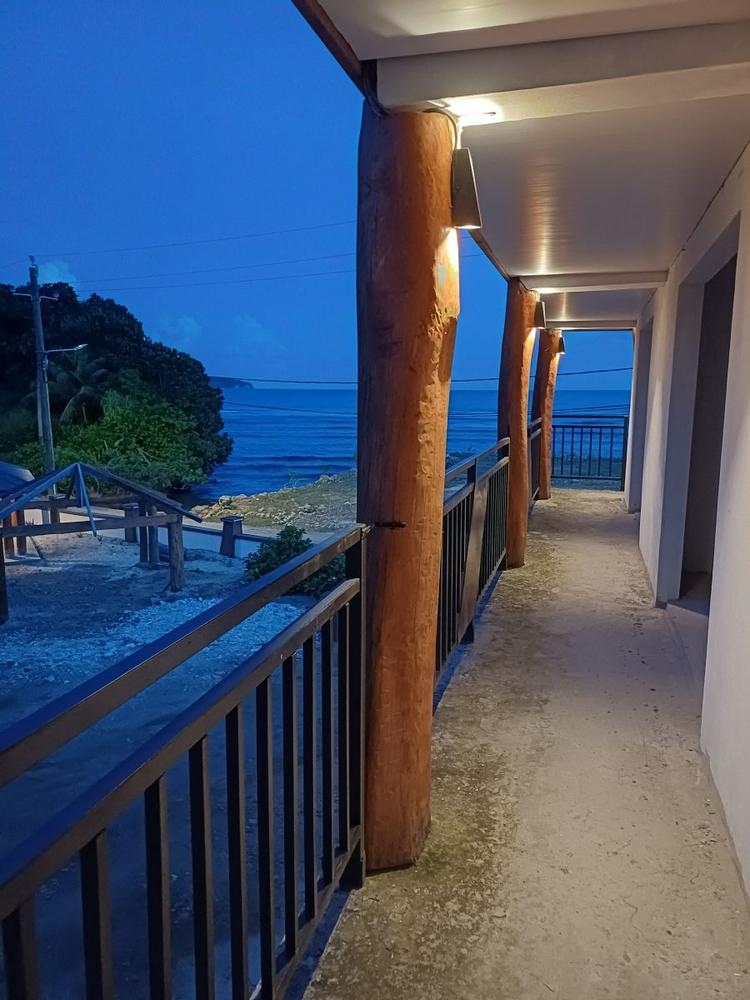
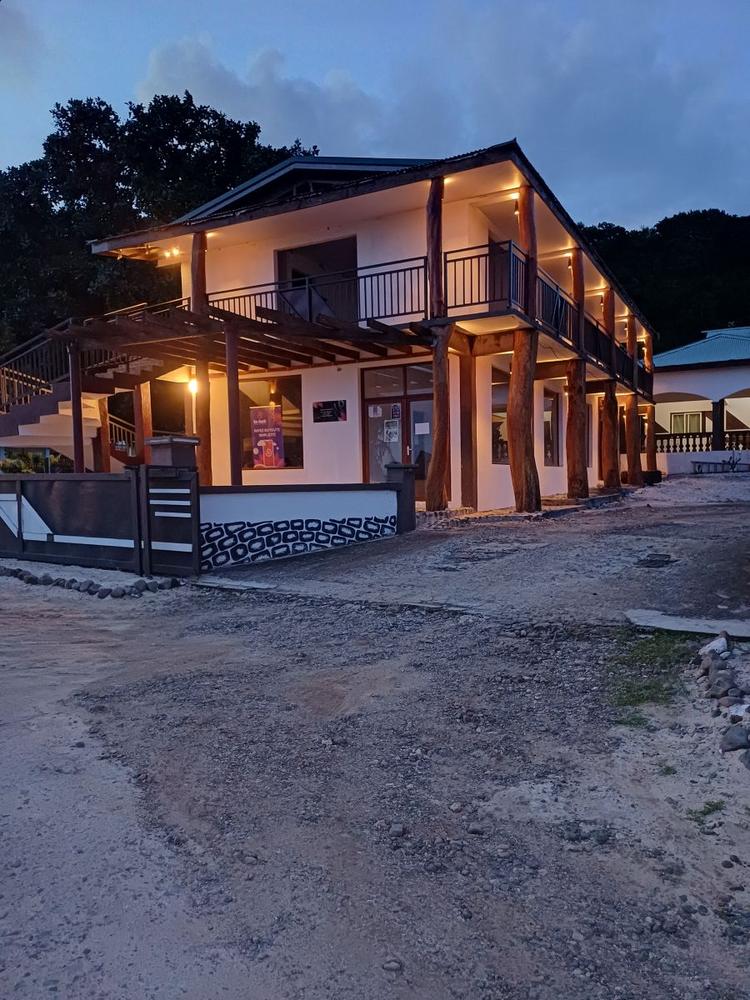
Akuila Hotel
Double Room · Studio Ocean View Room · Ground Floor Studio
NZ$136/night
9.Swimwear is Ok at the Motu But Not Elsewhere
-SEB%20CREDIT%20WallisandFutunaPocketGuide.com-900x601.webp?v=2026-04-19T19%3A19%3A11.868Z)
Akuila Hotel
from NZ$136/night
Speaking of swimming near local homes, avoid wearing just your swimwear or bikini. We recommend throwing on shorts and a t-shirt over your swimmers instead of revealing swimwear.
Wallis and Futuna is a deeply Catholic nation where modesty is taken seriously, so you'll want to be mindful of what you wear when swimming.
As long as you have clothes on rather than just swimwear, you'll be showing appropriate respect for local customs.
The exception is on small islets (motu) that are well away from houses; here you can wear normal swimwear without any concerns. Just remember to cover up with more modest clothing when heading back to town or villages, as wandering through communities in your beach shorts or swimmers is considered disrespectful.
For more insights on navigating local etiquette, check out our Wallisian and Futunan Etiquette: Wallis & Futuna Customs & Traditions guide.
10.Accommodation Can Be Rustic (and Pricey)
-BI%20CREDIT%20WallisandFutunaPocketGuide.com-900x601.webp?v=2026-04-12T02%3A51%3A34.273Z)
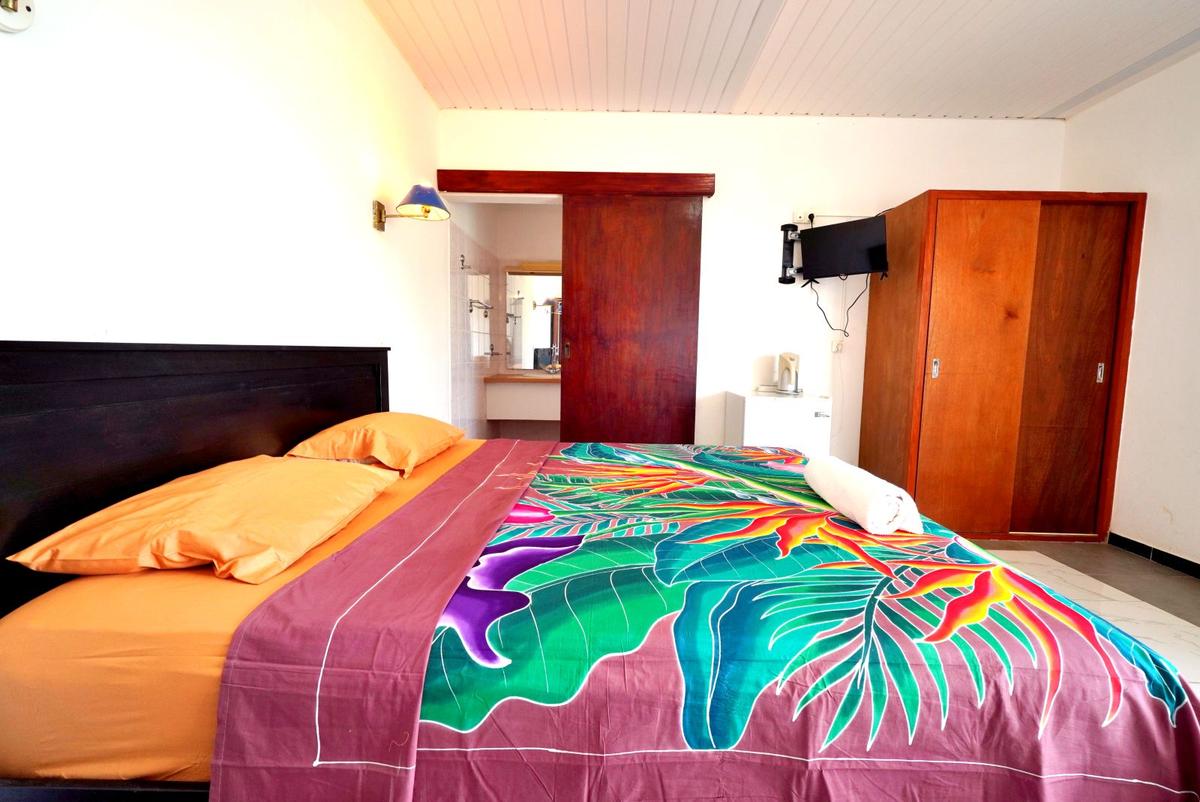
Let's be honest, accommodation in Wallis and Futuna isn't going to win any awards for luxury or value.
Since the tourism industry is still in its infancy, hotels here are priced with government budgets in mind rather than what individual travellers can comfortably afford. What you'd pay for an upscale resort elsewhere might only get you a standard room here.
We've found that Wallis and Futuna isn't a destination you choose for its accommodations (though there are some diamonds in the rough). Instead, it's all about the incredible experiences and untouched exploration opportunities.
For accommodation inspiration, check out Where to Stay in Wallis & Futuna: The Best Accommodations.
11.Cash is King!
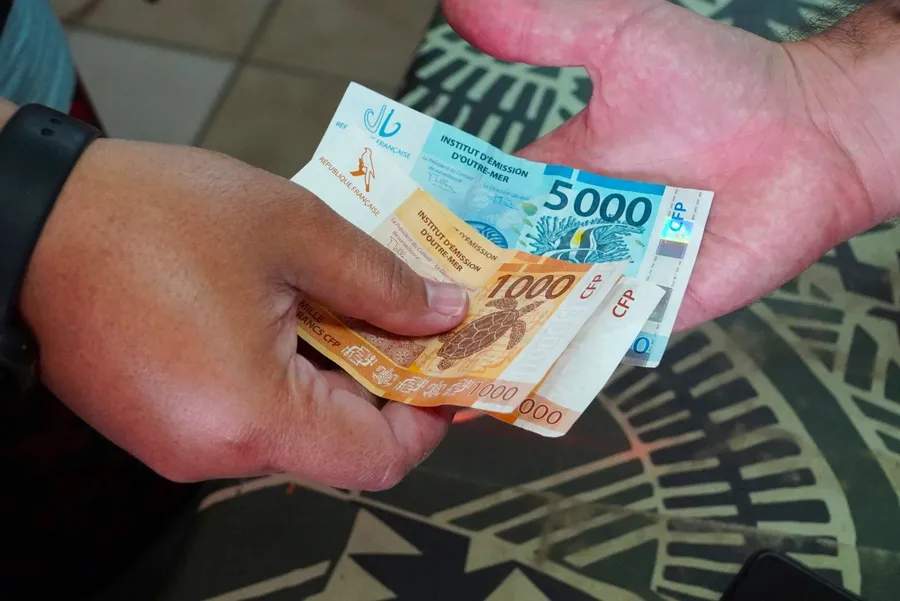
Cash is the preferred method of payment across Wallis and Futuna and is, in many cases, the only form of payment.
Taxi boats, markets, small tour operators and accommodations; there are many instances where cash is the only accepted form of payment.
While some restaurants, supermarkets, car rentals and hotels do accept card payments, they don't accept all credit cards and there is usually a 3 to 5% fee.
Remember, cash is king, and you'll want to withdraw or exchange as much as you're comfortable carrying.
For more advice on paying your way through Wallis and Futuna, check out What is the Best Way to Pay in Wallis & Futuna?
12.Shop Around and Exchange Currency Before Arrival
%20CREDIT%20WallisandFutunaPocketGuide.com-900x601.webp?v=2026-04-07T00%3A24%3A55.494Z)
KF Logement
from NZ$250/night
Speaking of currency, you can't exchange money in Wallis and Futuna, not even at the bank. The local currency is South Pacific Francs (XPF), and while there are ATMs, they're frustratingly unreliable (especially Futuna's single ATM that "work three times per month" as locals have told us).
We recommend bringing all the cash you'll need for your trip. But the next challenge is finding good XPF exchange rates.
Take it from our own painful experience: we lost around NZ$300 exchanging New Zealand dollars at Nadi Airport in Fiji. In short, airports offer terrible rates.
Instead, shop around multiple currency exchange bureaus before you travel to find the best rate. If you're travelling through New Caledonia, which uses the same currency, you're likely to find better exchange rates there.
Work out your budget first using our What is the Cost of a Trip to Wallis and Futuna? guide.
Editor's Choice
LS Location
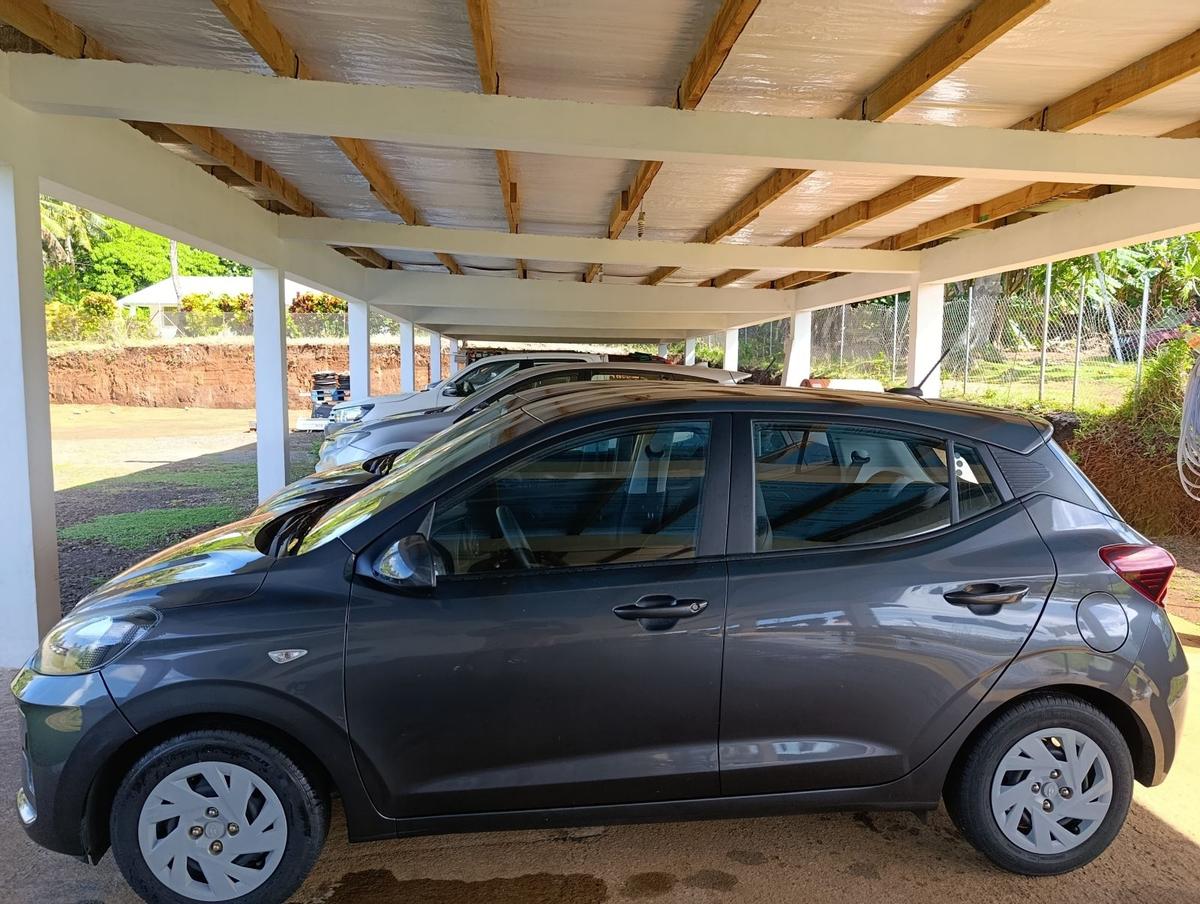
Discover Wallis at your own pace with our reliable city car rentals. We offer a Hyundai i10 in manual, perfect for exploring the islands' coastal roads and charming villages. With free airport...
13.Snorkelling is Awesome But Be Careful of Currents and Bring Your Own Gear
%20CREDIT%20WallisandFutunaPocketGuide.com-900x507.webp?v=2026-04-11T21%3A08%3A21.295Z)
You'll love snorkelling around these islands, but the experience varies dramatically between Wallis and Futuna.
On Wallis, the best snorkelling spots are out in the lagoon near the motu (small islands), where the waters are beautifully sheltered and calm. There are operators with snorkelling gear hire available, so you don't need to worry about bringing your own equipment.
Futuna is a completely different story, and according to locals, snorkelling here is "sportif"!
The reef plateau drops suddenly into the Pacific Ocean, creating some seriously strong currents. Timing is everything here; go at high incoming tide for the safest conditions, and this applies to anywhere around the island.
Here's the catch: there's no snorkelling gear available for hire on Futuna, and fins are highly recommended. So bring your own gear, or you'll miss out on some spectacular underwater scenery.
For the best spots to dive in, check out our 10 Best Swimming Spots in Wallis & Futuna guide. And for more packing tips, check out What to Pack for Wallis and Futuna: Wallis and Futuna Packing List.
14.It Sometimes Rains in Wallis and Futuna, But That’s Ok!
-SEB%20CREDIT%20WallisandFutunaPocketGuide.com-900x601.webp?v=2026-04-07T01%3A02%3A17.165Z)
We all have visions of an idyllic sunny holiday when jetting off to a tropical country but, well, "tropical" climates also mean that there is rain involved – sometimes a substantial amount!
Simply taking it on the chin and moving on with your day is the best way to handle when the heavens open, as it's likely that the shower will pass quickly anyway.
If it doesn't, well, at least you have 5 Things to Do in Wallis and Futuna on a Rainy Day.
If you want to decrease your chances of getting rained on while in Wallis and Futuna, you should consider visiting during the "drier season".
See Wallis and Futuna Weather, Seasons & Climate + Wallis and Futuna Weather by Month to learn more about the weather patterns.
15.It's Worth Experiencing a Local Mass Even if You're Not Religious
-BI%20CREDIT%20WallisandFutunaPocketGuide.com-900x601.webp?v=2026-04-07T00%3A33%3A56.494Z)
FugaUvea Rental & Accommodation
from NZ$84/night
Wallis and Futuna's most treasured tradition is its religious heritage, and the turnout at Sunday mass is absolutely incredible.
In a place where genuine local traditions can be hard to find, witnessing a church service is genuinely moving. You'll love hearing the beautiful a cappella singing echoing through the stunning acoustics of the grand cathedrals.
Just remember to dress respectfully with clothing that covers your knees and shoulders.
Get an idea for some of the magnificent cathedrals and chapels scattered across the archipelago in the 10 Best Churches in Wallis & Futuna to Experience as a Visitor.
16.Wallis and Futuna Can Be Enjoyed in 5 Days to 10 Days
-SEB%20CREDIT%20WallisandFutunaPocketGuide.com-900x506.webp?v=2026-04-19T19%3A17%3A54.838Z)
How long should you spend in Wallis and Futuna? Well, this depends on a number of factors, from budget to how many islands you want to visit. However, a minimum amount of time to visit both Wallis and Futuna is 7 days, or we recommend 3-5 days if you're only exploring Wallis!
Otherwise, check out our itineraries for the most popular durations to stay in Wallis and Futuna:
- Wallis and Futuna Itinerary: 10 Days
- Wallis and Futuna Itinerary: 7 Days / 1 Week
- Wallis and Futuna Itinerary: 5 Days
We also have itineraries for three days, should things be really desperate, but we strongly recommend that you spend more time in Wallis and Futuna.
For those with limited time, we highly recommend taking a guided tour to see the highlights in one day. Check out the 5 Best Sightseeing Tours in Wallis and Futuna for our personal recommendations.
17.There is No Public Transport
%20Car%20Rental%20Haviti%20CREDIT%20WallisandFutunaPocketGuide.com-900x506.webp?v=2026-04-24T00%3A51%3A39.709Z)
Here's the reality of transport in Wallis and Futuna: there is no public transport. No taxis, no buses, nada.
Get around the main islands by rental car. There are plenty available and we've listed the best options in our Best Car Rentals in Wallis & Futuna guide.
There's more than land to explore, and getting on the water is the most exciting thing you can do here. Taxi boats will take you to motu (islets) on Wallis or between Alofi and Futuna—check out How to Catch a Water Taxi in Wallis & Futuna + 5 Best Taxi Boats for all the details.
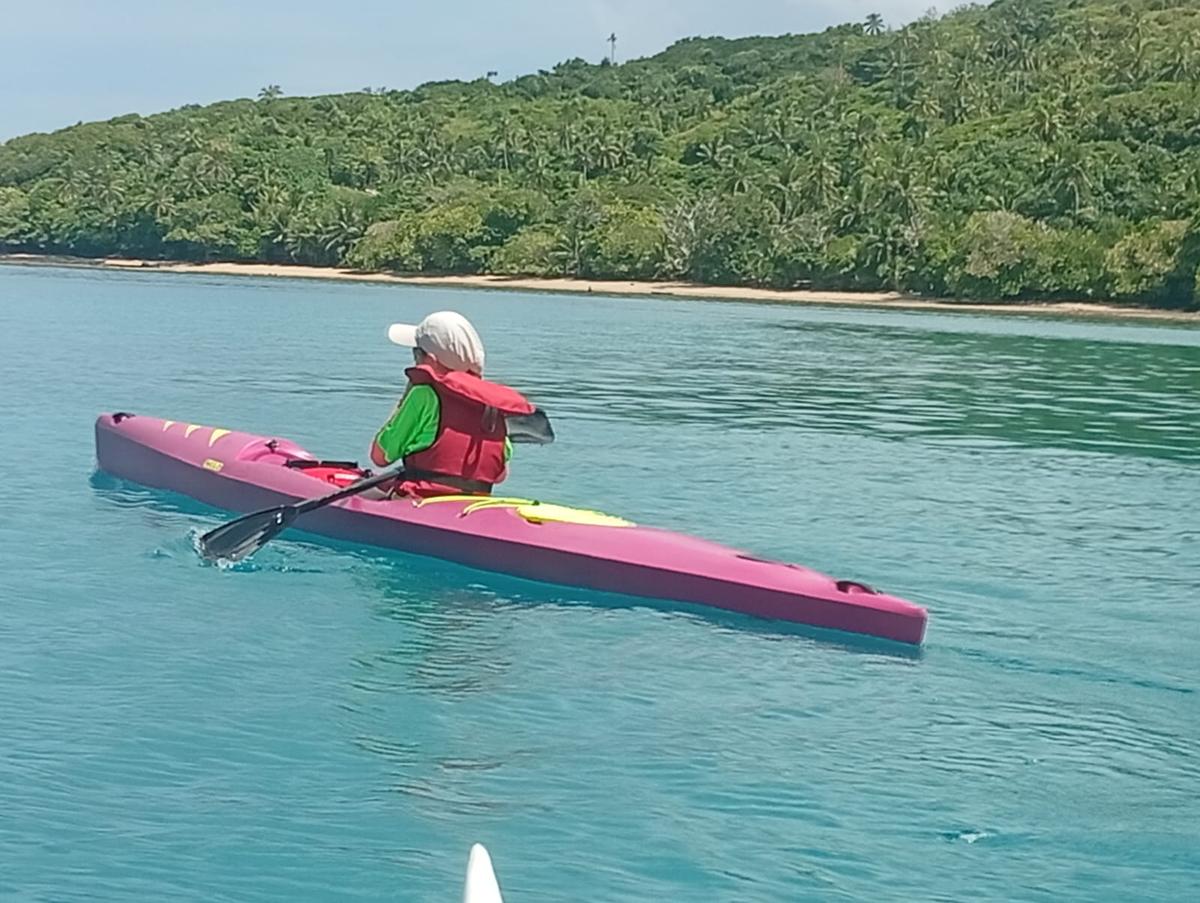
You can also give paddling a go in outrigger canoes. We've covered the top spots in our Kayak, Outrigger & SUP in Wallis & Futuna guide.
18.Flying to Futuna? Watch Those Baggage Limits
-SE%20CREDIT%20WallisandFutunaPocketGuide.com-900x601.webp?v=2026-04-07T01%3A21%3A15.430Z)
A Vaka Heke
from NZ$70
Baggage allowances for flights between Wallis and Futuna are surprisingly strict, and they can hit your wallet if you're not careful.
If you book your domestic flights with your international flight, you're given the international allowance, which is a good way to save on excess baggage fees. Otherwise, if you're flying domestically within Wallis and Futuna without any international connections, you'll get 5 kg (11 lbs) for carry-on baggage and even 10 kg (22 lbs) check-in baggage if you book the cheapest ticket. Eek!
The good news is that if you book your flight through from New Caledonia to Futuna, you usually get 23 kg (51 lbs) of checked luggage.
Stick to these limits religiously. They're incredibly strict about enforcement, and you'll be looking at extra fees for an overweight bag or even more if you need to check an additional piece.
Our advice? Weigh your bags before you leave home and pack light.
Learn more about domestic flights in our guide, Domestic Flights in Wallis & Futuna: Your Guide to Interisland Flights.
19.Visit Futuna Early into Your Itinerary
%20CREDIT%20WallisandFutunaPocketGuide.com-900x601.webp?v=2026-04-07T01%3A21%3A31.132Z)
Futuna flights have a habit of being cancelled at the drop of a hat. When they do get rescheduled, you'll find yourself at the back of a rather long queue of stranded passengers.
We've witnessed travellers stuck for up to six days waiting for the next available flight (not exactly what you want when you've got an international connection to catch).
Our first piece of advice? Use a local travel agent like Wallis Voyages to organise your flights. They're absolute lifesavers when things go pear-shaped and can work their magic to get you sorted much faster than you could on your own.
Secondly, give yourself at least four days to get back to Wallis before any onward travel.
From what we've experienced, visiting Futuna early in your trip gives you the flexibility to roll with any unexpected changes without derailing your entire holiday.
20.Drive on the Right Side of the Road
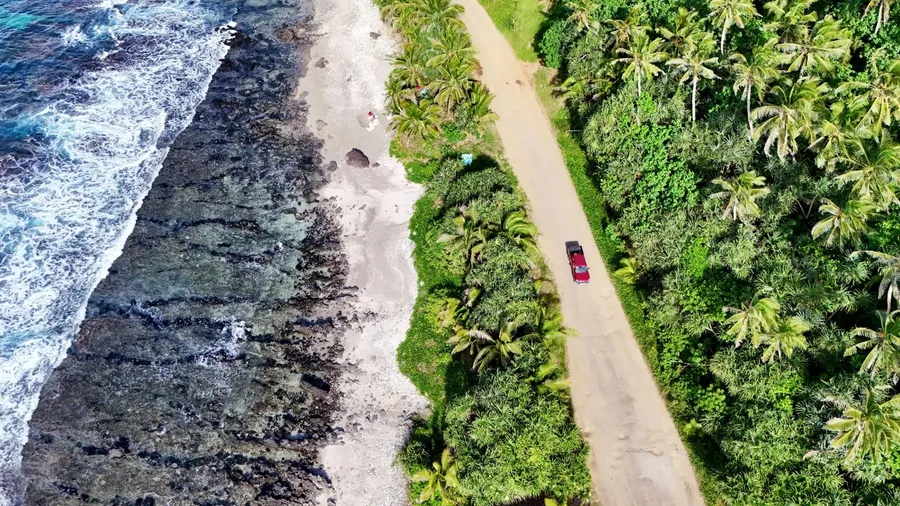
As a French collectivity, Wallis and Futuna follows right-hand traffic rules. You'll find speed limits are typically 30-50 kph in towns and villages, and 80 kph on roads between settlements.
We recommend taking it easy, though. The roads can have some serious potholes that'll catch you off guard! For comprehensive driving advice, check out How to Drive in Wallis & Futuna + 10 Road Rules You Need to Know.
Editor's Choice
A Vaka Heke
Discover the stunning motu of Wallis from the water on a guided paddle adventure with A Vaka Heke. Choose your craft: surfski, kayak or paddleboard, and your pace, with tours ranging from one hour...
21.Most Vehicles Use Manual Transmission
-%20BNCC%20CREDIT%20WallisandFutunaPocketGuide.com-900x601.webp?v=2026-04-07T00%3A57%3A15.120Z)
Afiafi Hotel
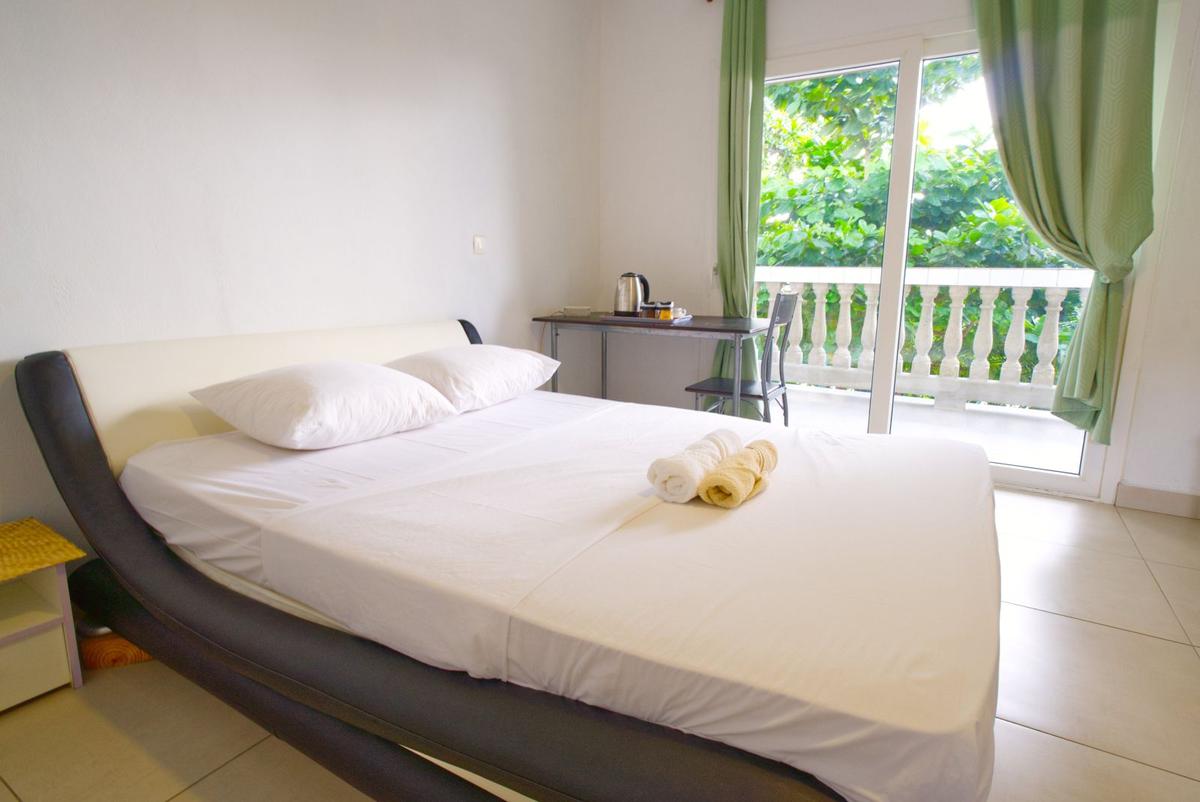
from NZ$179/night
Here's a heads-up that'll save you from an awkward situation at the rental desk: brush up on your clutch skills before you arrive.
Unlike New Zealand and Australia, Wallis and Futuna has more manual cars due to the French influence, and if you don't specifically request an automatic, you're going to get a manual.
Automatics are available but usually come with a slightly higher daily rate (we're talking a small premium for the convenience). For more comprehensive advice on getting behind the wheel, check out our What You Need to Hire a Car in Wallis & Futuna guide.
22.Go Through the Car Rental Inspection Thoroughly
-%20BNCC%20CREDIT%20WallisandFutunaPocketGuide.com-900x601.webp?v=2026-04-07T01%3A19%3A55.285Z)
Our last tip concerning car rentals, we can't stress this enough: take your time during the vehicle inspection and don't let anyone rush you through it.
Some rental companies in Wallis and Futuna have quirky policies that might catch you off guard. From our experience, a few operators are particularly keen on charging for "excessive dirt" or minor scratches that weren't properly documented beforehand.
Here's what we recommend: walk around the entire vehicle with the rental provider and snap photos of every existing scratch, dent or imperfection you can spot.
You'll also want to check the licensing requirements before you arrive. Some companies require drivers to have held their licence for at least five years, which can be a real surprise if you're not prepared for it.
We've highlighted these policies where possible in our 5 Best Car Rentals in Wallis & Futuna guide, so you'll know what to expect before you book.
23.Choose the Right Vehicle
-SEB%20CREDIT%20WallisandFutunaPocketGuide.com-900x601.webp?v=2026-05-18T02%3A47%3A26.818Z)
When it comes to getting around, we've learned that your choice of wheels can make or break your adventure.
Although those compact city cars might seem tempting for zipping around town, they'll quickly meet their match on the island's many unsealed roads. SUVs or pick-up trucks are the right go-to for the extra ground clearance and sturdier build (though even these shouldn't tackle the rougher dirt tracks).
As a side note: fuel can be surprisingly tricky to come by. Petrol stations might be closed when you need them most, or simply out of fuel altogether.
Our advice? Keep your tank topped up whenever you spot an open station, and always ask locals about fuel availability before heading to remote areas.
24.Ask For the Price When Booking and Get it in Writing
-BI%20CREDIT%20WallisandFutunaPocketGuide.com-900x601.webp?v=2026-04-07T00%3A31%3A31.779Z)
Taxi Boat Afala
from NZ$135
Wallis and Futuna isn't exactly a budget destination. Everything costs significantly more than you might expect, largely because goods must be shipped from thousands of kilometres away, which drives up freight costs considerably.
Here's something we've learned from our own experiences: many shops and tour providers don't clearly display their prices, which can lead to some rather unpleasant surprises at the checkout.
When it comes to tours and accommodations, we strongly recommend agreeing on a price upfront and getting it in writing, if you can. Tour providers can change their rates on a whim, and you'll want that protection to avoid any awkward disagreements later.
For a detailed breakdown of what you can expect to spend, check out our Wallis & Futuna Travel Budget: How Much Does a Trip to Wallis & Futuna Cost? guide. We also have a comprehensive 15 Tips to Save Money in Wallis & Futuna that'll help you stretch your budget further during your visit.
Where to Stay
FugaUvea Rental & Accommodation
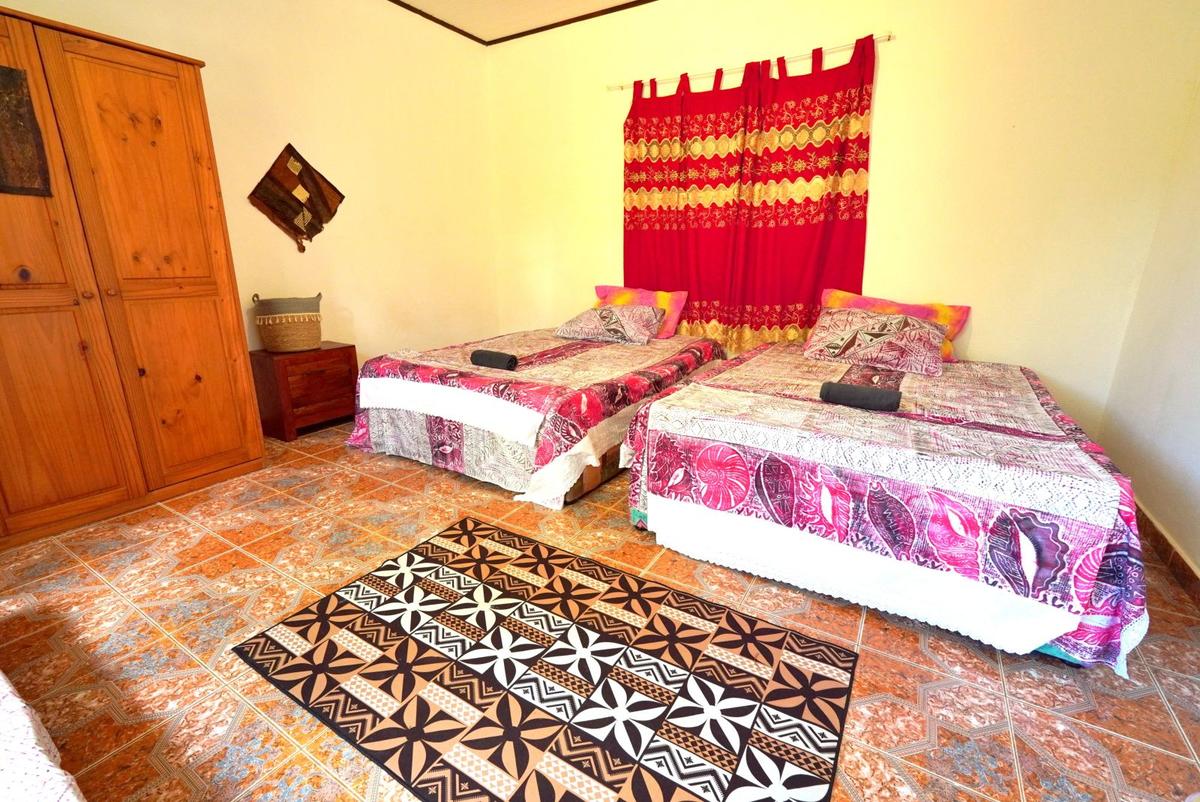
Natula and Kele Room
NZ$84/night
25.Use the Free WiFi at Your Accommodation, Not the Local Phone Network
-%20BNCC%20CREDIT%20WallisandFutunaPocketGuide.com-900x601.webp?v=2026-04-07T01%3A23%3A04.561Z)
Trust us when we say the local phone network provider in Wallis and Futuna has some of the most expensive data rates we've seen anywhere in the world. You'll want to check out The Best SIM Card in Wallis and Futuna for Travellers to see just how eye-watering those rates can be!
Our advice? Stick to roaming with your home provider if possible, or better yet, rely on your accommodation's WiFi. The good news is that almost all accommodations across the islands offer complimentary WiFi, so you can stay connected without breaking the bank.
Learn more about getting connected with our complete guide, The Best SIM Card in Wallis and Futuna for Travellers.
26.Pack a Reusable Water Bottle or Water Purification Bottle to Beat the Heat (and the Cost)
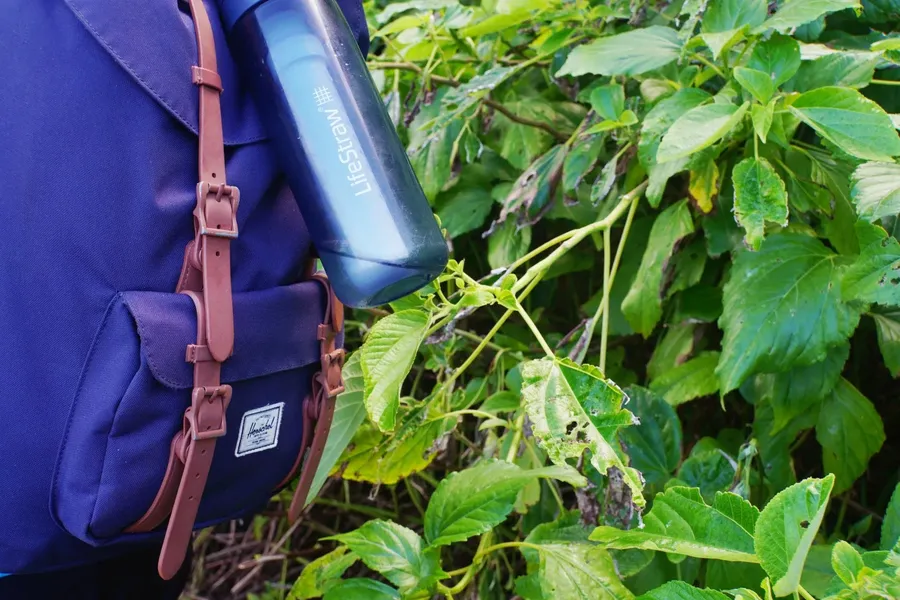
Wallis is blessed to be one of the rare islands in the South Pacific where the tap water is safe to drink. However, the French influence of drinking endless branded bottles of water is fully ingrained; not good for the environment and definitely not good for your wallet.
We personally recommend bringing reusable water bottles if you're staying in Wallis, or water purification bottles like LifeStraw if visiting Futuna, which doesn't have the same tap water privilege.
From what we've experienced, we now travel the islands without constantly hunting for bottled water, thanks to water purification bottles. Yes, they're more expensive upfront, but they pay for themselves time and time again (and eliminate the stress of finding shops when you're parched).
Simply fill up from any tap, and you're good to go. It's one of those travel hacks that makes island life so much easier.
For more water safety insights, check out Is the Water Safe to Drink in Wallis and Futuna? and our comprehensive Wallis and Futuna Safety Tips: Is it Safe to Travel to Wallis and Futuna? Plus, you'll love our 30 Ways to Travel More Sustainably in Wallis and Futuna for more eco-friendly travel tips.
27.Apply Reef-Safe Sunscreen (And Bring Plenty With You)

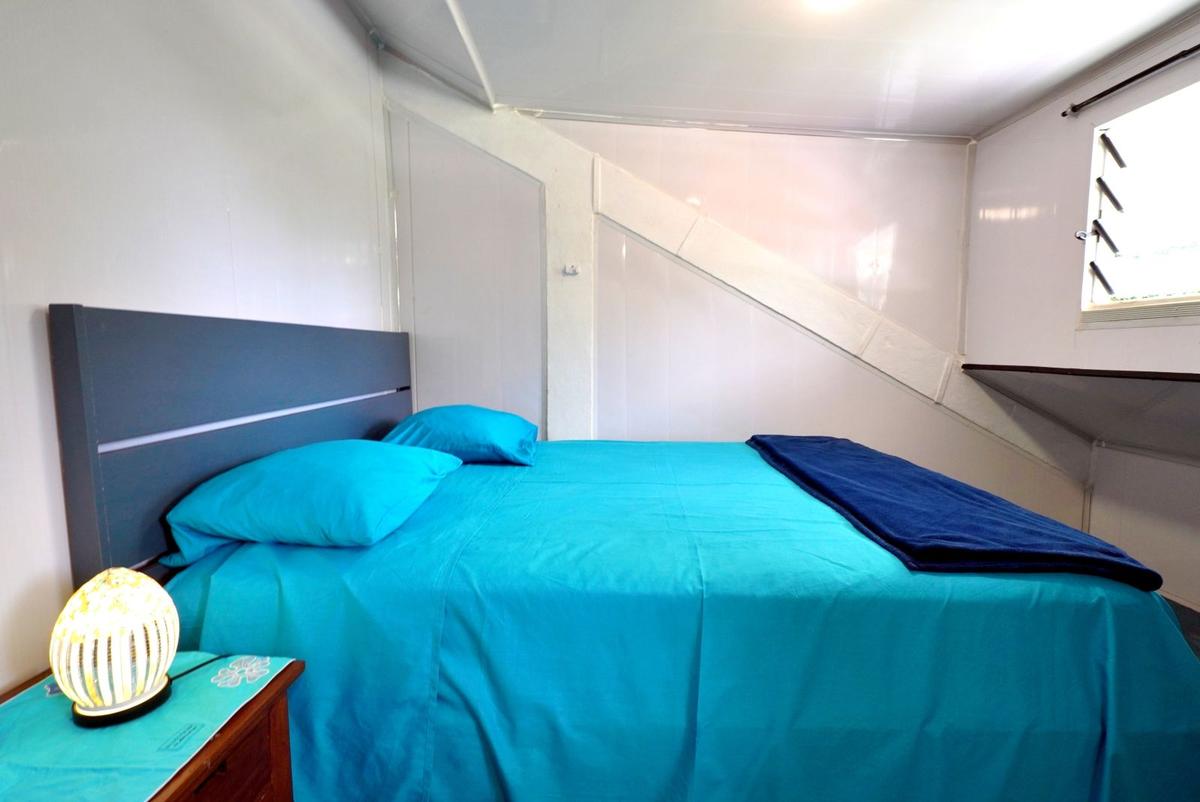
Motu Location
from NZ$120/night
Sunscreen is obviously essential for your trip to Wallis and Futuna, but the marine ecosystem surrounding the islands is badly threatened by sunscreen-induced bleaching.
The problem is easy to fix, however, by opting for "reef-safe" sunscreen rather than the standard stuff.
Unfortunately, the supply of reef-safe sunscreen in Wallis and Futuna is extremely limited, so we highly recommend bringing enough for you and your whole crew for the entire trip.
See The Best Sunscreens for Wallis and Futuna + Sun Protection Tips for more on the subject!
28.… And Be Careful of Mosquito Bites
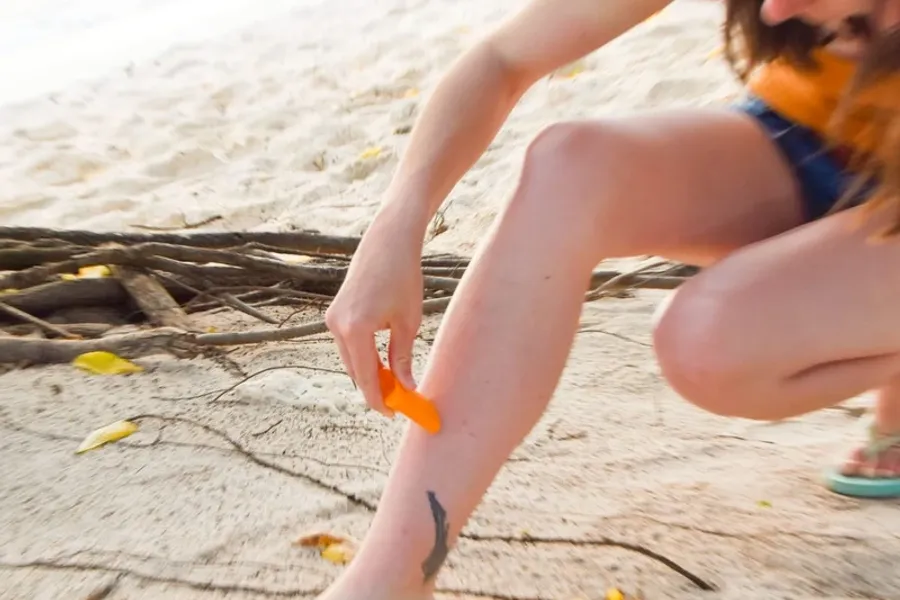
Mosquitoes aren't just a minor annoyance that can leave an itchy bite, but day-biting mosquitoes have been known to spread dengue fever and chikungunya in Wallis and Futuna – a major blow to your holiday if you contract the virus!
With that in mind, don't cheap out on your mosquito protection method, whether it's an effective but safe mosquito repellent or simply covering up with clothing.
Check out the 10 Best Insects Repellents for Wallis & Futuna + How to Treat and Aviod Bites for all of our tips on managing bites.
Editor's Choice
Taxi Boat Afala
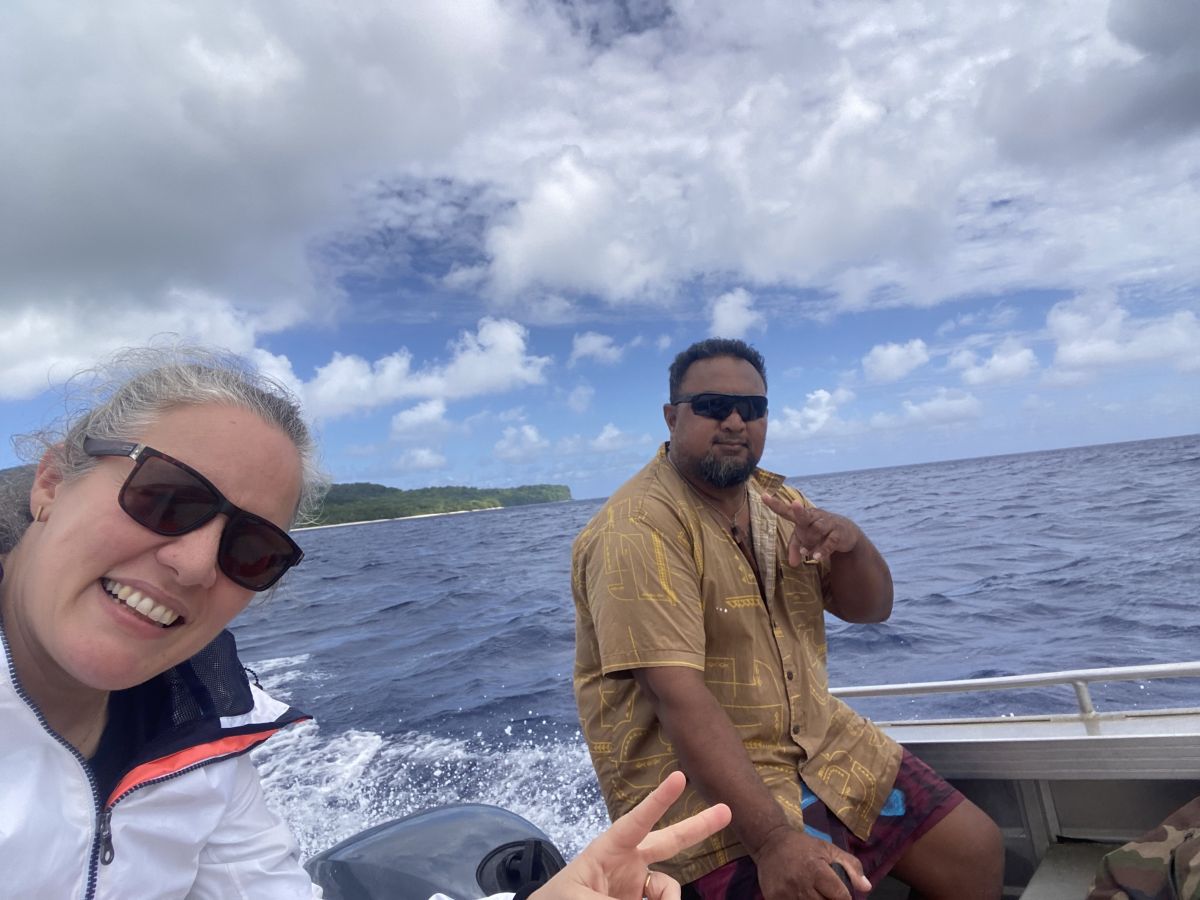
Escape to the pristine shores of Alofitai Beach with our quick and scenic boat transfer from Vele. In just 10 minutes, we'll whisk you across the turquoise waters to a secluded paradise where you...
29.Wallis and Futuna is Challenging for Special Diets
-%20BNCC%20CREDIT%20WallisandFutunaPocketGuide.com-900x601.webp?v=2026-04-19T19%3A18%3A18.729Z)
Special diets in Wallis and Futuna require a bit of detective work, but don't let that put you off! You won't find menus clearly labelled with vegan, vegetarian or gluten-free options (and man, do the French love their gluten), so be prepared to have some friendly conversations with restaurant staff.
From what we've experienced, many locals aren't familiar with terms like "gluten-free" or specific dietary restrictions, so patience and clear communication go a long way. We've found that explaining what you can and can't eat works better than using technical terms.
The good news? We've done the legwork for you in our Wallis and Futuna for Vegans & Vegetarians + 10 Best Restaurants and The Gluten-Free Guide to Wallis and Futuna guides.
Self-catering is also a brilliant option if you want more control over your meals (and we've included plenty of shopping tips in those guides too).
30.Make the Most of Wallis and Futuna Pocket Guide
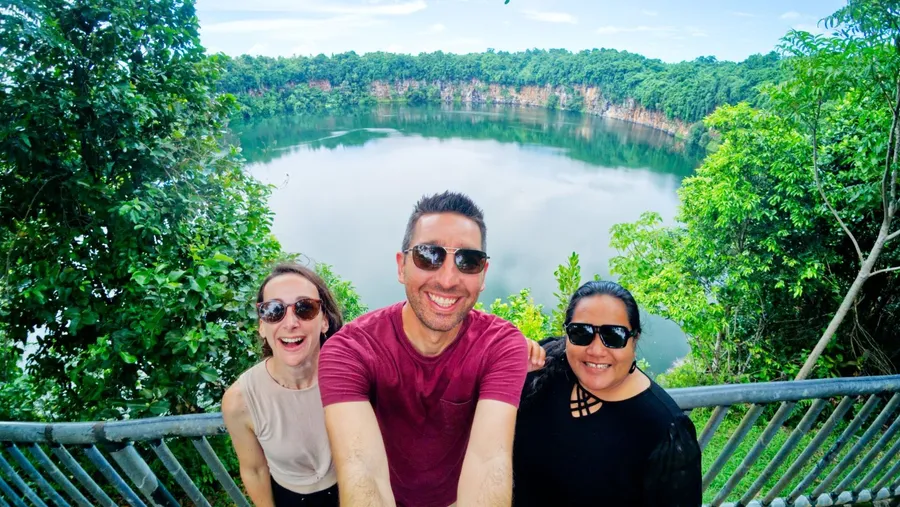
Moana Hou
from NZ$280/night
As Wallis and Futuna's largest travel guide, we're here for you every step of the way!
Get inspired by our Destinations guides to each island and see where your wanderlust will take you.
Our Travel Tips section gives you all the practical advice you will need when planning your trip to Wallis and Futuna. All your W&F questions will be answered so you know what to expect when you arrive.
Looking for places to stay? Check out our Accommodation section where you'll find the best options across all islands and for various styles of travel: budget accommodation, family accommodation, hotels and more!
Whatever your tastes, you're bound to find your dream bucket list of activities in our Things to Do section. Our Things to Do page is split up into easy-to-digest sections where you can browse the activities that you are interested in, including water activities, walking, tours, shopping, nature, food and drink, golf, fishing, culture, adventure and more! We have now even made it possible to book personally trialled and tested tours online via our Booking Page, so secure your adventure today!
We make getting around easy with our Transport section, where you can find more information on buses, ferries, vehicle rental, public transport, international connections and more.
Finally, whether you're visiting for one or 14 days, we've made the perfect Wallis and Futuna itineraries in our Trip Ideas section. All the work has been done for you!
More Wallis and Futuna Travel Tips
That's it for our list of essential Wallis and Futuna travel tips! Now that you're wiser about travelling in Wallis and Futuna, you might like to start planning some things to do, where to stay and more! Check out these guides to get started:
- 101 Best Things to Do in Wallis and Futuna: The Ultimate List
- The Best Wallis and Futuna Accommodations: Where to Stay
- The Food Guide to Wallis and Futuna: Places to Eat, Food Tours & More
Finally, if there's anything we've missed, you're likely to find it in The Complete Travel Guide to Wallis and Futuna, which goes through planning your whole trip from pre-arrival to departure.

-BI%20CREDIT%20WallisandFutunaPocketGuide.com-900x601.webp?v=2026-05-20T02%3A42%3A42.396Z)
-SEB%20CREDIT%20WallisandFutunaPocketGuide.com-900x601.webp?v=2026-04-07T00%3A26%3A06.322Z)