

The Guide to the Wallis and Futuna Languages: Wallisian and Futunan
When exploring the remote beauty of Wallis and Futuna, understanding the local languages can transform your travel experience from ordinary to extraordinary. The Wallis and Futuna languages combine Polynesian heritage and French colonial influence.
As a French collectivity, French serves as the official language across both island groups, making it the language that will get you by in most situations.
However, the heart of local communication beats through two distinct Polynesian languages: Wallisian on Wallis Island (Uvea), which shares deep connections with Tongan, and Futunan on the Futuna Islands, closely related to Samoan.
Don't assume English will get you far here. The general population relies primarily on their native tongues and French. In other words, your best bet for meaningful connections with locals is learning some French, or even better, picking up basic phrases in Wallisian or Futunan.
Ready to dive deeper into the linguistic landscape of these remote islands? Read on to learn some basic phrases in the Wallis and Futuna languages, as well as a little information on the languages' origins.
This article is based on real on-the-ground research, not on AI scraping old content from the internet. Learn how we use AI!
Table of Contents
5 Fun Facts About the Wallis and Futunan Languages
- There are two local languages for one small territory - Despite being part of the same territory, the languages are different enough that locals switch depending on which island they are from.
- Wallisian sounds closer to Tongan, while Futunan feels closer to Samoan!
- French is the official administrative language, used in schools and government, but daily life is a combination of French, Wallisian and Futunan.
- These languages were first written down by missionaries, not locals - Wallisian was first documented by French missionaries in the 19th century, with early prayer books and Bible translations forming the basis of written records. Before that, both Wallisian and Futunan existed entirely as spoken languages passed down through generations.
- Wallisian and Futunan have 15/16 letters in their alphabet.
Where Does Wallisian Come From?
For those of you who like a bit of context, Wallisian is part of a Polynesian branch of the huge Austronesian family of languages. Its closest relative languages are Futunan, Niuafoʻou, Tongan, Samoan and other Samoic languages.
The language has borrowed extensively from Tongan due to the Tongan invasion of the island in the 15th and 16th centuries, and it has also borrowed a lot of vocabulary from French due to French colonial influence.
Wallisian was first documented by French missionaries during the early 19th century, although their work wasn't published until 1932. A Wallisian translation of a prayer book was published in 1864, and parts of the Bible in Wallisian were published in 1885.
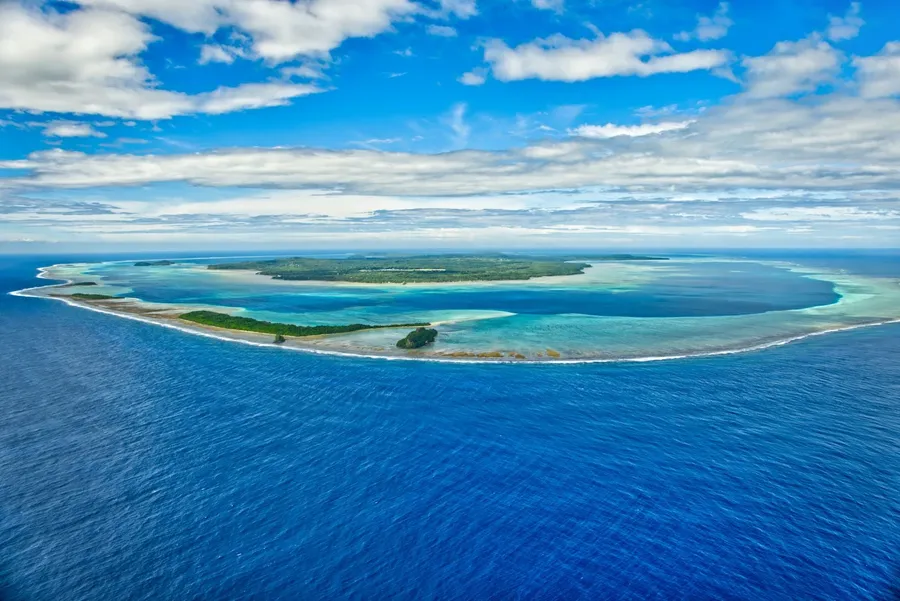
Uvea (the Wallisian name for Wallis) was settled about 3,000 years ago, making it one of the early Polynesian settlements in the region.
Learn more about the Wallisian culture in A Traveller's Guide to the Wallisian and Futunan Cultures.
-SEB%20CREDIT%20WallisandFutunaPocketGuide.com-900x601.webp?v=2026-04-07T01%3A15%3A30.280Z)
Where Does Futunan Come From?
Meanwhile, on Futuna, you'll discover that the local language, Fakafutuna (or Futunan) is a melodious tongue that belongs to about 3,000 speakers spread across the kingdoms of Sigave and Alo.
Like Wallisian, it belongs to the Austronesian language family, specifically within the Polynesian subgroup. It is closely related to other Western Polynesian languages like Wallisian, Samoan and Tongan.
What makes Futunan particularly intriguing is its resilience. Despite being part of a French territory, the language remained remarkably protected from European linguistic influence until around the Second World War.
Today, you'll find that locals use a mix of French and Futunan in their daily conversations.
-%20BNCC%20CREDIT%20WallisandFutunaPocketGuide.com-900x601.webp?v=2026-05-19T02%3A01%3A49.993Z)
Pronunciations in Wallisian and Futunan
The first thing to know about pronunciations in Wallisian and Futunan is that both languages use relatively simple alphabets with clear pronunciation patterns. These Polynesian languages have distinct phonological systems that differ from English in several key ways.
How to Pronounce Consonants in Wallisian and Futunan
Both Wallisian and Futunan share similar consonant systems, though there are some differences:
- F - pronounced as in English "fish"
- G - represents the nasal velar consonant [ŋ] in Futunan orthography (like "ng" in English "sing")
- K - pronounced as in English "king"
- L - pronounced as in English "love"
- M - pronounced as in English "mother"
- N - pronounced as in English "never"
- P - pronounced as in English "people"
- S - pronounced as in English "sun"
- T - pronounced as in English "table"
- V - pronounced as in English "village"
- ʻ (fakamoga) - represents the glottal stop, similar to the break in "uh-oh"
How to Pronounce Vowels in Wallisian and Futunan
Wallisian has 10 vowels: five standard vowels and their lengthened variants. Futunan has five vowels that can be short or long:
- A/Ā - short "a" as in "father"; long "ā" held for twice the duration
- E/Ē - short "e" as in "bed"; long "ē" held for twice the duration
- I/Ī - short "i" as in "machine"; long "ī" held for twice the duration
- O/Ō - short "o" as in "for"; long "ō" held for twice the duration
- U/Ū - short "u" as in "food"; long "ū" held for twice the duration
Long vowels are marked with a macron (the line above the vowel) but aren't always written in casual text.
Word Stress in Wallisian and Futunan
Both languages follow typical Polynesian stress patterns, generally placing stress on the penultimate (second-to-last) syllable of words. For example:
- tagata (man) is pronounced "ta-GA-ta" in Wallisian
- fakamoga (glottal stop) is pronounced "fa-ka-MO-ga" in Wallisian
Special Pronunciation Notes
There are several unique aspects to Wallisian and Futunan pronunciation:
The fakamoga (ʻ) can be written with different apostrophe styles but represents the same glottal stop sound.
In Futunan, the letter "g" represents the [ŋ] sound, unlike other Polynesian languages where it's written as "ng" (for example, Tongan tangata versus Futunan tagata).
Vowel length is phonologically important - changing a short vowel to a long one can change the meaning of a word entirely.
Wallisian and Futunan Words and Phrases to Know
In Wallis and Futuna, the general population relies primarily on their native tongues and French.
Do You Need to Speak French to Visit Wallis and Futuna?
The reality is, only a minority of people can speak English fluently in Wallis and Futuna. Efforts to speak the local languages, whether it's French, Wallisian or Futunan, will certainly make life easier for visitors.
If you're an English speaker and booking a tour, on Book.WallisandFutunaPocketGuide.com for example, it is important that you let your hosts know you speak English and they can usually arrange the appropriate guide for you.
That being said, you'll find that tourist information is available in both French and English. From tourist maps and passenger arrival cards to safety briefings on domestic flights, staff will typically ask if you'd prefer the English version.
With all of the above in mind, here are some words and phrases to try out…
Basic Phrases in Wallisian and Futunan
Places
Food and Drink
Miscallaneous
Now that you know the important words, check out how to say some iconic Wallis and Futuna meals in Traditional Wallis and Futuna Food: Local Dishes to Try.
Editor's Choice
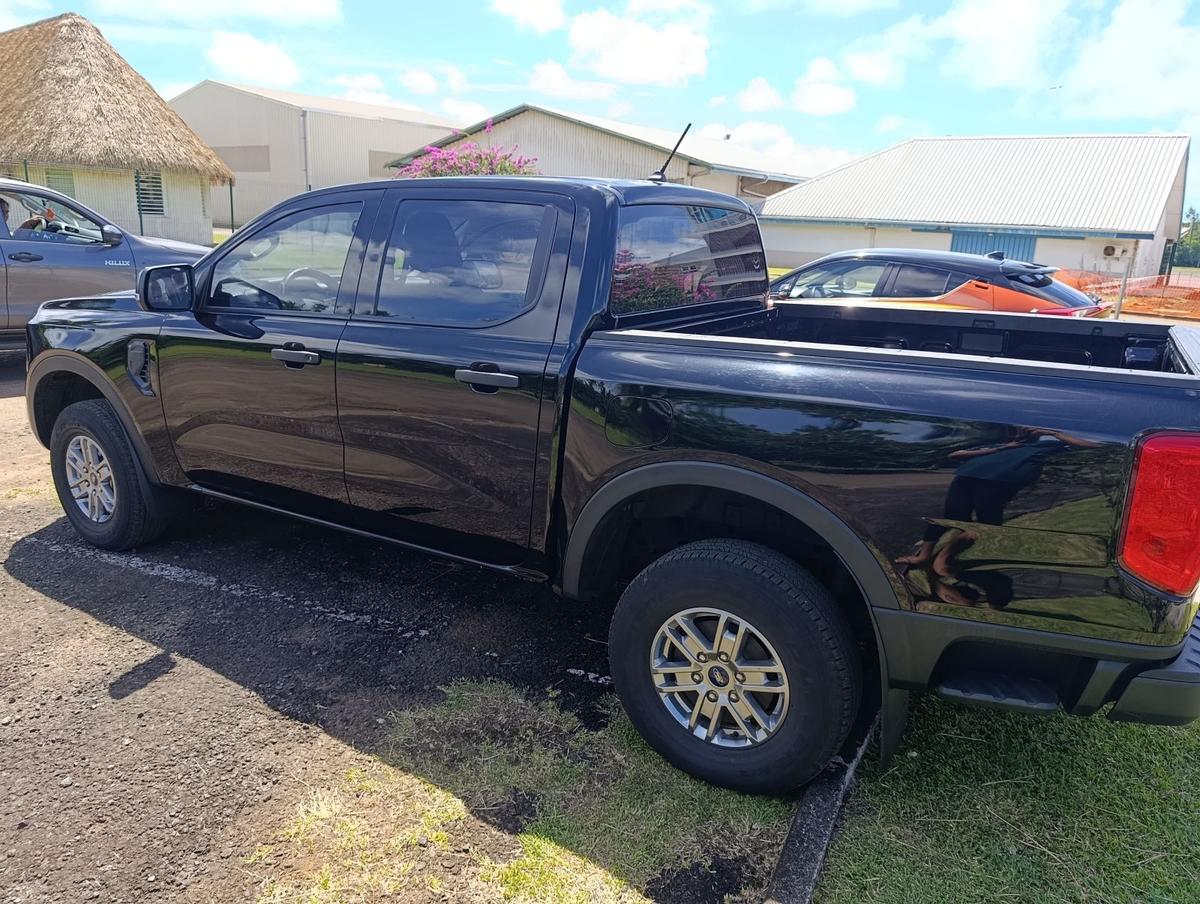
LS Location
Explore Wallis at your own pace with our robust pick-up trucks, perfect for navigating the island's diverse terrain. We offer well-maintained Toyota Hilux and Ford Ranger vehicles, ideal for both...
Frequently Asked Questions About the Languages of Wallis and Futuna
Now that you know about the languages spoken in Wallis and Futuna, here are the answers to the internet's frequently asked questions about Wallis and Futuna's languages!
What languages are spoken in Wallis and Futuna?
The main languages spoken in Wallis & Futuna are French (the official language), Wallisian and Futunan.
Is French widely spoken in Wallis and Futuna?
Yes, French is the official language and is widely understood throughout Wallis and Futuna, particularly in government offices and schools. Most locals are bilingual, speaking both French and their native language.
What is the difference between Wallisian and Futunan languages?
Wallisian (also called Uvean) is spoken on Wallis Island, whilst Futunan is spoken on the Futuna Islands. Both are Polynesian languages but have distinct vocabularies and grammatical differences, reflecting the separate cultural identities of the two island groups.
Can you get by speaking only English in Wallis and Futuna?
English is not widely spoken in Wallis and Futuna, so you'll need some basic French phrases to communicate effectively.
Are the local languages related to other Polynesian languages?
Yes, both Wallisian and Futunan belong to the Polynesian language family and share similarities with other Pacific languages like Samoan and Tongan. Speakers of these related languages may recognise some words and phrases.
More About the Culture and Language of Wallis and Futuna
That's it for our quick guide to the language of Wallis and Futuna. For more Wallis and Futuna wisdom, take a look at these similar articles:
- A Traveller's Guide to the Wallis and Futuna Culture
- The Guide to the Religions in Wallis and Futuna
- Wallis and Futuna Etiquette: Wallis and Futuna Customs & Traditions
And if you're planning a trip to Wallis and Futuna, don't miss our 20 Tips for Travelling in Wallis and Futuna.

-BI%20CREDIT%20WallisandFutunaPocketGuide.com-900x601.webp?v=2026-05-20T02%3A42%3A42.396Z)
-SEB%20CREDIT%20WallisandFutunaPocketGuide.com-900x601.webp?v=2026-04-07T00%3A26%3A06.322Z)