

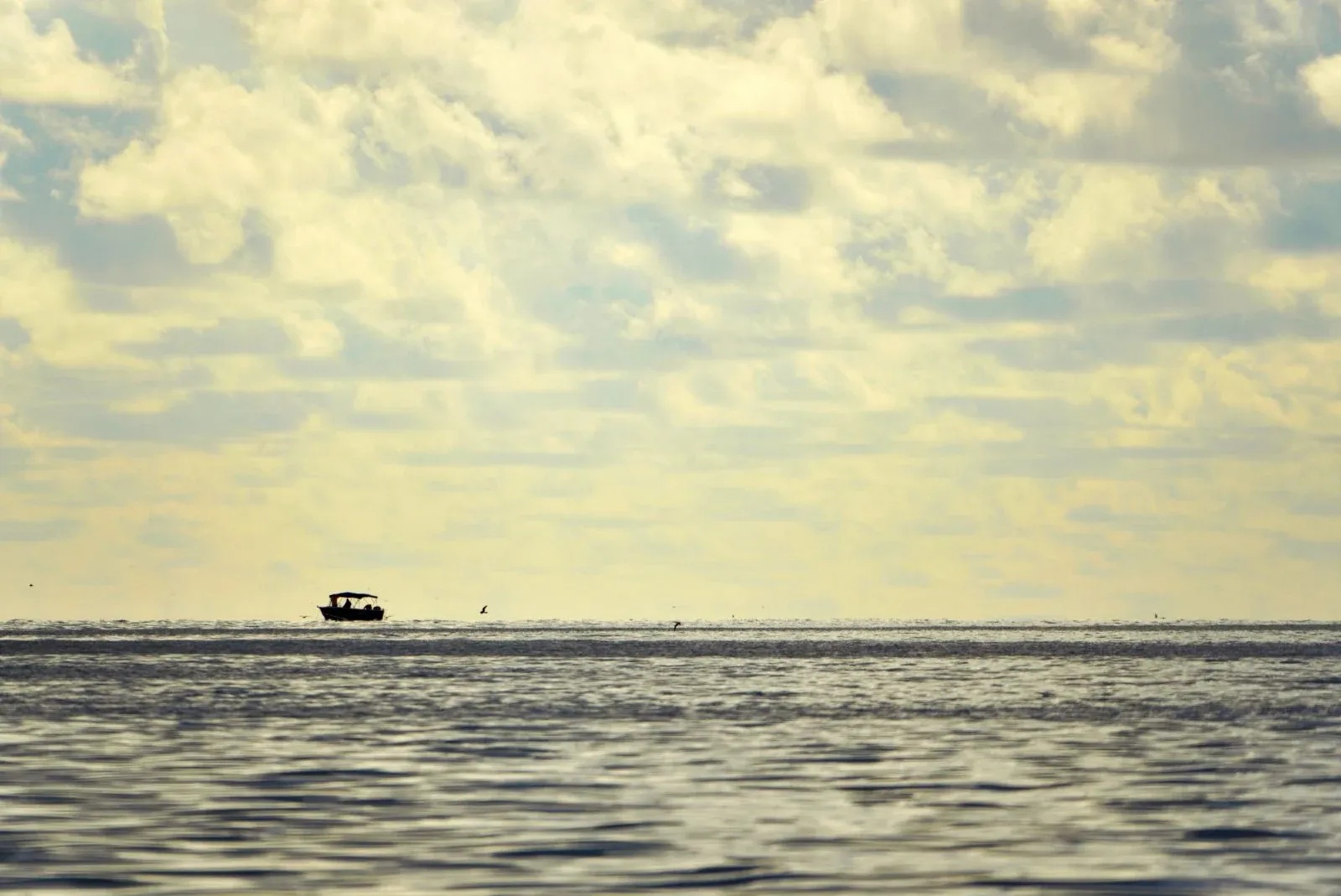
What is the Weather Like in Wallis and Futuna in February?
Travellers are often pleasantly surprised by Wallis and Futuna in February. Although it falls within the hot rainy season, that doesn’t mean constant downpours; there are still plenty of sunny breaks and warm tropical weather to enjoy.
The lagoon in Wallis remains invitingly warm, making it a great time for swimming, snorkelling and boat trips between passing showers. In Futuna, February is as good a time as any to make boat trips to Alofi.
As with most months, let's be honest, February is a quiet month to visit, offering a peaceful atmosphere with the occasional community event. That said, rain showers can be heavy at times, and there is a small risk of tropical storms during the South Pacific cyclone season.
It’s also one of the hottest and most humid months of the year, which some travellers love, while others may find intense.
Before we jump into this weather guide for February, be sure to bookmark Wallis & Futuna Weather, Seasons & Climate + Wallis & Futuna Weather by Month, as well as The Best Time to Visit Wallis & Futuna: A Month-by-Month Guide for more advice.
This article is based on real on-the-ground research, not on AI scraping old content from the internet. Learn how we use AI!
Table of Contents
5 Tips for Visiting Wallis and Futuna in February
- Make sure you always wear high-factor (and reef-safe) sunscreen throughout the day.
- Mosquitoes are more active during the wet season, so pack insect repellent!
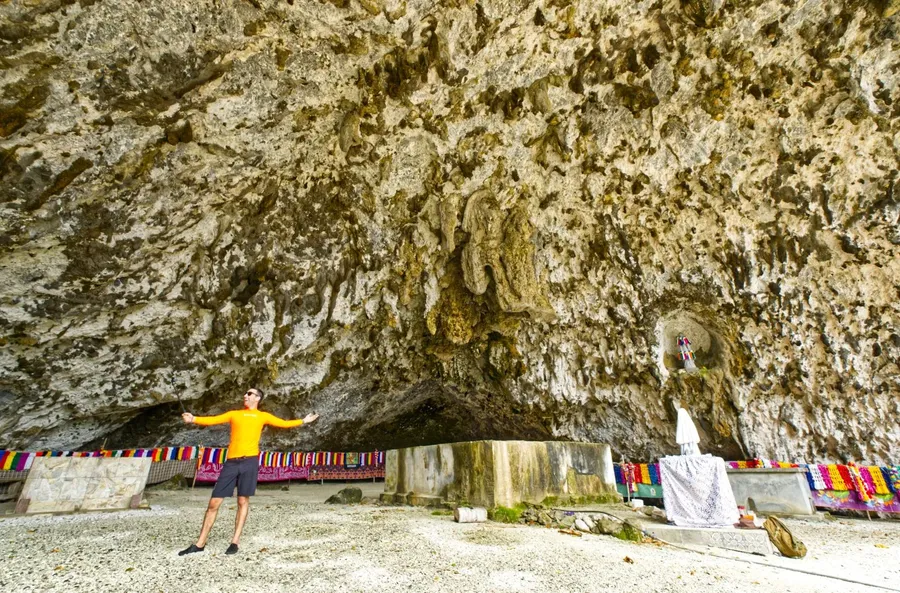
- Book your boat trip to Alofi early around the 11th of February; this is when the celebration of the yam harvest occurs and when locals make the pilgrimage to Loka Cave.
- Although it's the wet season, there are still plenty of calm, sunny intervals, making February a great time for lagoon swimming, snorkelling and boat outings between showers.
- While the heat and humidity can be high, cooling off is easy thanks to Wallis’ warm lagoon and the refreshing coastal waters like Piscine Bleue on Futuna - check out some of the 10 Best Swimming Spots in Wallis & Futuna.
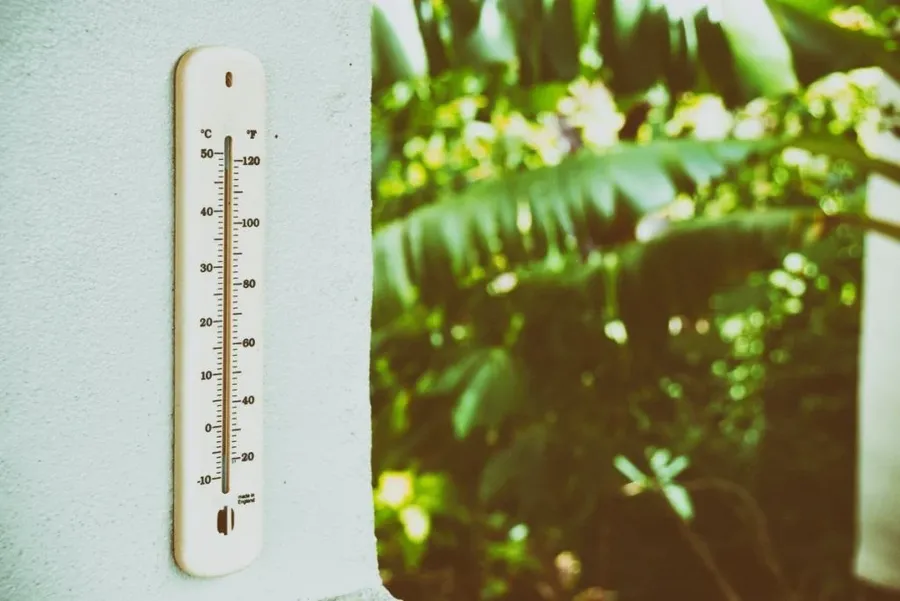
Typical Temperatures in February
February is typically one of the hottest and most humid months of the year in Wallis and Futuna, sitting in the heart of the South Pacific’s wet season. With lighter winds at times, there’s often little relief from the tropical heat, particularly during the middle of the day.
Daytime temperatures usually reach around 31°C (87.8°F), while nighttime temperatures hover near 24°C (75.2°F). Combined with very high humidity, conditions can feel even warmer than the thermometer suggests.
Sea Temperature in February
The ocean remains beautifully warm in February and is among the warmest of the year. With sea temperatures averaging around 29°C (84.2°F), it's an excellent time for swimming, snorkelling and enjoying the turquoise lagoon and surrounding coastline between tropical showers.
-S%20CREDIT%20WallisandFutunaPocketGuide.com-900x601.webp?v=2026-04-14T20%3A04%3A03.698Z)
Hours of Sun in February
February brings long, bright days to Wallis and Futuna, offering plenty of sunshine between tropical showers.
Despite being part of the wet season, the islands enjoy around 13 hours of daylight per day, with an average of six hours of sunshine.
If you’re dreaming of a warm island escape, February still delivers ample opportunities to enjoy the outdoors.
UV Levels During February
UV levels are extreme in February, frequently reaching 11+ around midday. High-SPF, reef-safe sunscreen is essential, along with protective clothing, sunglasses and a hat, especially if you’re spending extended time at the beach or out on the lagoon, see The Best Sunscreens for Wallis & Futuna + Sun Protection Tips.
Sunrise and Sunset in February
February has daylight hours lasting about 13 hours a day in Wallis and Futuna.
- Sunrise: 5:08 am at the beginning of February and 5:46 am at the end of February
- Sunset: 5:59 pm at the beginning of February and 6:19 pm at the end of February.
-SEB%20CREDIT%20WallisandFutunaPocketGuide.com-900x601.webp?v=2026-04-11T21%3A17%3A26.215Z)
Rainfall in February
February is one of the wettest months of the year in Wallis and Futuna. On average, the islands receive just over 311 mm (12 in) of rainfall during the month, with rain falling on roughly half the days.
In other words, you can expect frequent showers, but these are typically short, heavy bursts characteristic of a tropical climate, often clearing to reveal blue skies soon after.
As February sits in the heart of the South Pacific’s wet season, it’s wise to be prepared for sudden downpours and to keep your plans flexible.
Despite the rain, this is when the islands are at their most lush, with vibrant greenery, flowing waterfalls and dramatic coastal scenery, making it a rewarding time to visit for travellers who don’t mind a little tropical weather.
Check out the ideas in the 5 Things to Do in Wallis & Futuna on a Rainy Day.
-SE%20CREDIT%20WallisandFutunaPocketGuide.com-900x601.webp?v=2026-04-14T20%3A02%3A17.637Z)
Tropical Storms in February
February falls squarely within the South Pacific cyclone season (November through April), meaning there is an increased risk of tropical storms affecting Wallis and Futuna at this time of year. While the likelihood of a direct hit during any single trip remains relatively low, passing systems can still bring periods of strong winds, heavy rain and rough seas.
Historically, tropical cyclones have impacted Wallis and Futuna during the wet season, occasionally causing coastal damage, flooding and temporary disruptions to transport and infrastructure. Even storms tracking nearby can generate large swells and unsettled weather conditions.
If you prefer to minimise cyclone risk, consider travelling during the drier months from May to October.
For those planning to travel to Wallis and Futuna during February, be aware of what to do in the event of a cyclone alert by following our guide, Cyclone Safety in Wallis & Futuna.

Editor's Choice
FugaUvea Rental & Accommodation
Explore Wallis at a more natural pace with our simple and affordable bicycle rental. Perfect for leisurely rides along coastal roads or discovering hidden corners of the islands, we provide...
The Best Places to Visit in Wallis and Futuna in February
February is one of the quietest months to visit Wallis and Futuna. With the holiday period over and tourism numbers low year-round, you can expect little-to-no crowds. Travelling at this time often means better availability for flights and accommodation, too.
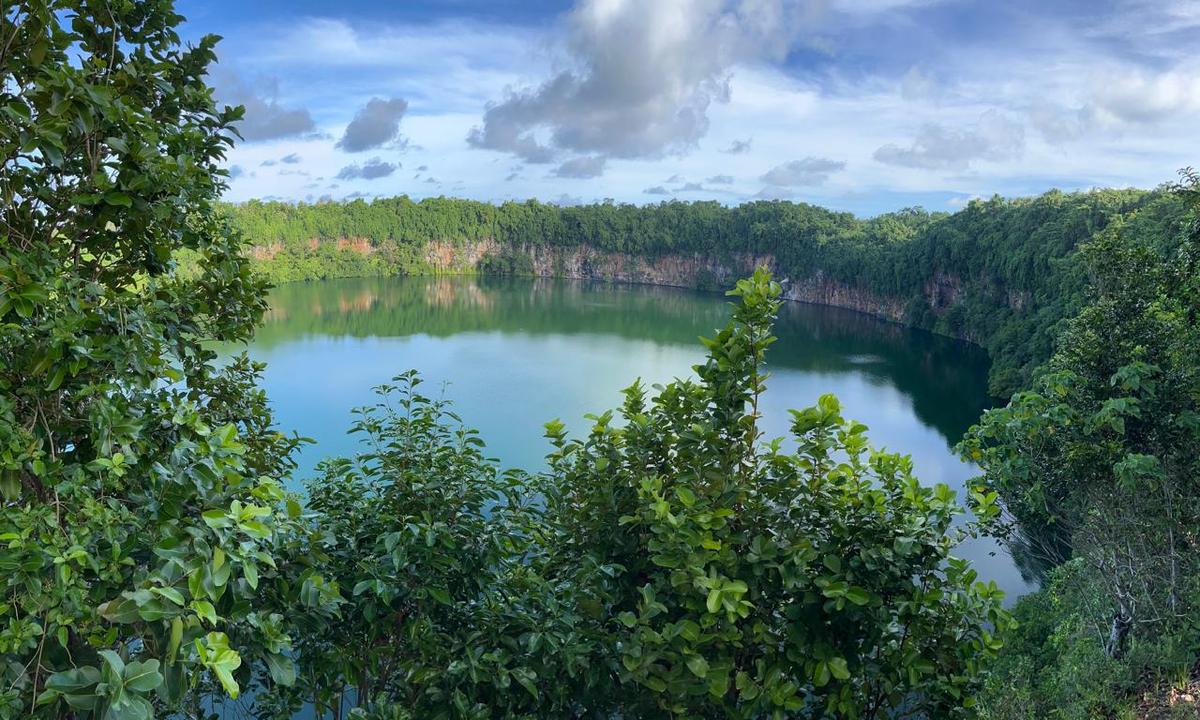
On Wallis (Uvea), February’s lush, rain-fed landscapes make it a beautiful time to explore natural highlights such as Lake Lalolalo and Lake Lanutavake, while the warm lagoon is perfect for swimming and snorkelling.
Cultural stops in Mata'Utu, including the Cathedral of Our Lady of the Assumption and the Royal Palace, offer insight into the island’s strong traditions.
History lovers should also visit Talietumu (Kolo Nui), an ancient Tongan fort surrounded by greenery at its most vibrant.
Over on Futuna, February is the perfect time to visit, especially in Alofi, when the 11th of February marks the yam harvest and when locals make their pilgrimage across Alofi Island to Loka Cave. It could be the perfect time to experience Futuna's culture to its fullest.
%20CREDIT%20WallisandFutunaPocketGuide.com-900x601.webp?v=2026-04-07T00%3A42%3A04.648Z)
February Packing List for Wallis and Futuna
Be prepared for Wallis and Futuna in February by packing these few seasonal essentials:
- High-factor reef-safe sunscreen
- Insect repellent
- Light bamboo, linen or merino layers (we like the sustainable bamboo clothing of Moso Morrow)
- Light long-sleeved tops (to cover from sun and mosquitoes)
- Light pants/trousers (to cover from sun and mosquitoes)
- Pants/skirt that covers the knee (if visiting churches)
- Sunhat
- Sunglasses
- Swimwear
- Rash vest (we like the UV-protecting Sharkskin rashies)
- Closed walking shoes
- Flip-flops/jandals/sandals
- Mask, snorkel (and fins if visiting Futuna)
Get more ideas on what to pack with our guide, What to Pack for Wallis & Futuna: Full Wallis & Futuna Packing List.
More About the Weather in Wallis and Futuna in February
That's it for our complete guide to the weather and climate in Wallis and Futuna in February. Check out the following articles for more weather advice:
- Wallis & Futuna Weather, Seasons & Climate + Wallis & Futuna Weather by Month
- The Best Time to Visit Wallis & Futuna: A Month-by-Month Guide
- Wallis & Futuna Weather in December
- Wallis & Futuna Weather in January
- Wallis & Futuna Weather in March
Finally, enjoy a comprehensive guide to planning a trip to Wallis & Futuna in The Complete Travel Guide to Wallis & Futuna.

-BI%20CREDIT%20WallisandFutunaPocketGuide.com-900x601.webp?v=2026-05-20T02%3A42%3A42.396Z)
-SEB%20CREDIT%20WallisandFutunaPocketGuide.com-900x601.webp?v=2026-04-07T00%3A26%3A06.322Z)