

-SE%20CREDIT%20WallisandFutunaPocketGuide.com.webp?v=2026-04-22T23%3A02%3A39.108Z)
What You Need to Know About Cyclones in Wallis and Futuna
Tropical cyclones that develop in the South Pacific can occasionally affect Wallis and Futuna. The official cyclone season runs from November to April, meaning travellers visiting during these months should be aware of the possibility of tropical storms or cyclones developing in the region.
While direct impacts are relatively uncommon, passing systems can still bring heavy rain, strong winds and rough seas.
Wallis and Futuna has established emergency procedures in place, including weather monitoring, public alerts and designated shelter options to help keep residents and visitors safe during severe weather events.
There’s no need to let cyclone season deter your travel plans. Simply stay informed, monitor official updates and follow local safety advice if a warning is issued.
For more detailed seasonal insights, check out our Wallis & Futuna Weather, Seasons & Climate + Weather by Month guides.
This article is based on real on-the-ground research, not on AI scraping old content from the internet. Learn how we use AI!
Table of Contents
When is the Cyclone Season in Wallis and Futuna
The cyclone season in Wallis and Futuna runs from November to April, coinciding with the territory’s hot and rainy months.
The highest risk of tropical cyclone activity typically occurs in December, January and February, when conditions in the South Pacific are most conducive to storm development.
Cyclone activity can also increase during El Niño, which may influence sea temperatures and weather patterns across the region. While direct impacts are relatively uncommon, storms passing nearby can bring heavy rain, strong winds and rough seas.
Travellers visiting during the cyclone season should stay informed and follow local weather updates.
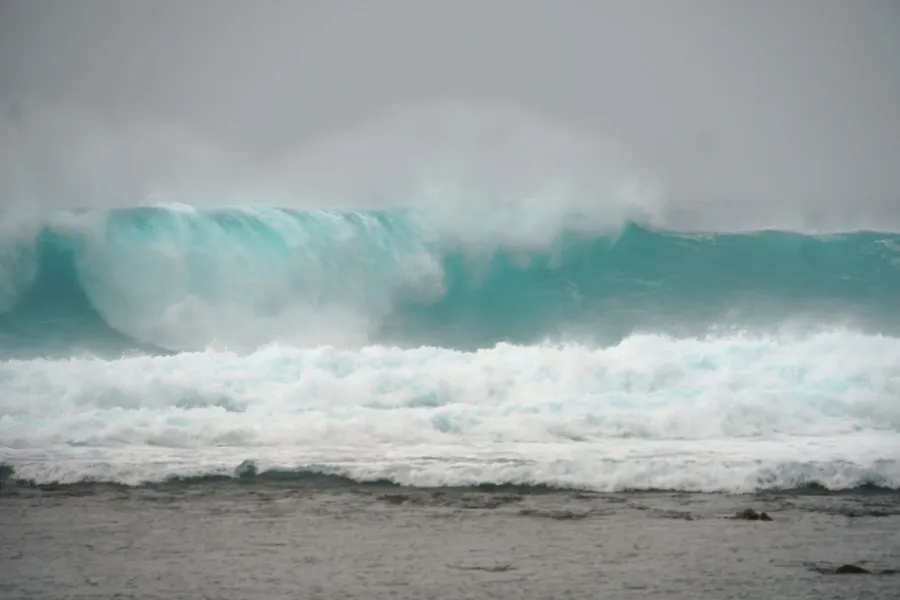
Cyclone Warnings in Wallis and Futuna
Wallis and Futuna's tropical cyclone season runs from November to April, and a network of agencies closely monitors potential storms.
Météo-France Wallis et Futuna works in coordination with the Administration Supérieure in Mata'Utu and the Joint Typhoon Warning Center, as well as the Meteorological Service Offices in Fiji and the Regional Specialised Meteorological Centre (RSMC) in Nadi to issue cyclone watches and warnings.
Thanks to this system, developing storms are detected early, giving locals and travellers plenty of time to prepare.
How Cyclones are Reported
Cyclones typically begin as tropical depressions. Once sustained winds reach 40–73 mph (65–120 kph), the system is classified as a tropical storm.
When wind speeds climb further, it is upgraded to a cyclone and given a name (e.g. Cyclone Gita, 2018). These cyclones are categorised from Category 1 (88-125 kph / 55-78 mph) up to Category 5 (over 250 kph / 155 mph) based on severity.
Meteorologists track each storm's progress and issue a five-day forecast showing its projected path. Although the path can shift, early warnings are widely broadcast through radio, local alerts and emergency sirens to ensure communities and visitors have time to act.
-%20BNCC%20CREDIT%20WallisandFutunaPocketGuide.com-900x601.webp?v=2026-04-23T18%3A40%3A57.825Z)
The Dangers of Cyclones
Why do you need to prepare for a cyclone? The severe gale-force winds can cause significant damage to weaker structures in Wallis and Futuna, for instance, buildings in villages. There may also be damage to power lines causing blackouts, damage to crops and trees, and dangerous airborne debris.
Another danger can be contaminated tap water, although we recommend that you always filter (with a Lifestraw bottle, for instance) or boil tap water in Futuna, at least. See Is the Water Safe to Drink in Wallis and Futuna? to learn more about drinking tap water in the territory.
-SE%20CREDIT%20WallisandFutunaPocketGuide.com-900x601.webp?v=2026-04-14T20%3A02%3A17.637Z)
LS Location
from NZ$100
How to Prepare for a Cyclone
If you're visiting Wallis and Futuna during cyclone season (November to April), one of the best things you can do is stay on top of local weather alerts. Météo-France issues real-time cyclone watches and warnings in coordination with agencies like RSMC Nadi and the Joint Typhoon Warning Center to ensure island safety.
You can find updates on the Météo-France Wallis et Futuna website and via the Administration Supérieure (Prefecture) bulletins. The local government also issues urgent warnings through official social media and radio broadcasts to keep the public informed.
Given how unpredictable cyclones can be, it's always better to be overprepared than underprepared. If you're staying in a hotel or guesthouse, ask the staff about their cyclone procedure. They'll be able to advise on the safest area of the building in case you need to shelter in place.
Prepare a basic emergency kit with food, water, clothing and medication for at least three days. It's also helpful to have a battery-powered radio or a fully charged power bank to get updates via your phone. A flashlight and extra batteries are also essential. Emergency services in Wallis and Futuna can be reached by dialling 18 (Fire), 17 (Police) or 15 (Ambulance).
Keep following the news and progress of the cyclone through radio, TV and official announcements. You’ll be informed if evacuation is necessary and where to go for shelter.
Official advice will be given through Wallis & Futuna la 1ère and local alerts. Learn more about getting a local phone number in The Best SIM Cards in Wallis & Futuna for Travellers.
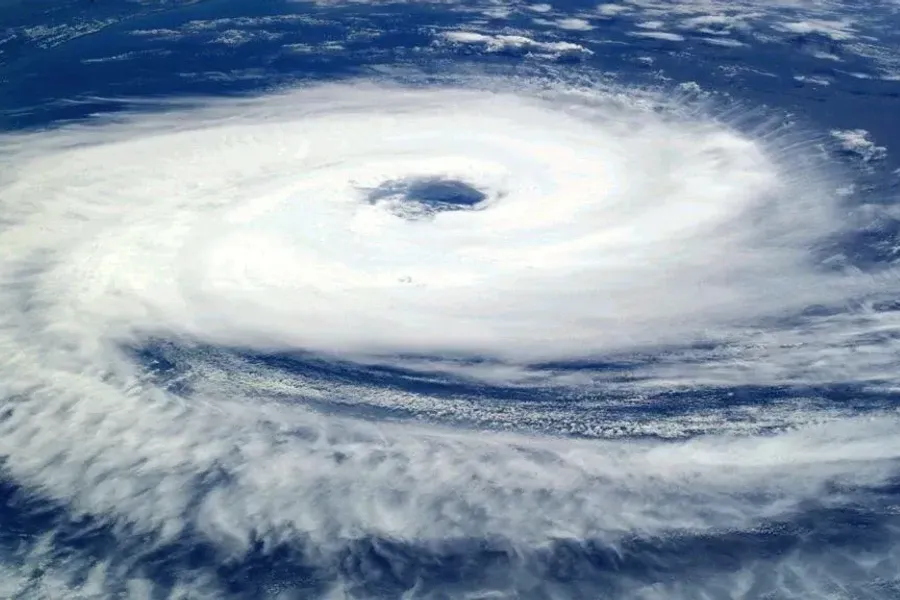
A History of Cyclones in Wallis and Futuna
Below is a record of cyclones that have affected Wallis and Futuna since 1889.
Cyclone Tino
Cyclone Tino (January 2020), prompting pre-cyclone and level 1 alerts between January 17–20 and the cancellation of inter-island flights. Torrential rain and storm surge caused flooded roads, downed trees and damage to homes, particularly in Wallis where winds also brought power outages after high-voltage lines were blown down.
Cyclone Gita
Cyclone Gita (February 2018) was a powerful South Pacific tropical cyclone that prompted watches and warnings across the region, including for areas around Wallis and Futuna.
Although the storm’s centre did not make direct landfall on the islands, agencies monitored its movement closely because of the potential for strong winds, heavy rain and rough seas as it passed nearby.
Cyclone Amos
Cyclone Amos (April 2016) impacted Wallis and Futuna as a strong Category 3 tropical cyclone, prompting regional warnings and forecasts of heavy rain and rough seas.
While the storm did not make a direct landfall, significant rainfall was recorded, about 160 mm at Hihifo Airport on Wallis, illustrating how even nearby cyclones can bring intense downpours and coastal impacts.
Cyclone Evan
Cyclone Evan (December 2012) was a powerful tropical cyclone in the South Pacific that prompted widespread watches and warnings across the region, including for areas near Wallis and Futuna.
Although it did not make a direct landfall on the islands, the system brought heightened winds and rough seas to the surrounding waters, and authorities closely monitored its progress to ensure communities and visitors were prepared.
Cyclone Tomas
Cyclone Tomas (March 2010) affected Wallis and Futuna, with warnings issued as gale-force winds were expected across the territory. The cyclone passed near Futuna and caused significant damage, particularly in the north-eastern areas around the village of Poï.
Many houses and buildings were destroyed or severely damaged, and the island’s only road was washed away. Water and electricity supplies were disrupted, though no human casualties were reported.
Cyclone Heta
Cyclone Heta (late December 2003–January 2004) was an intense Category 5 tropical cyclone in the South Pacific that drew attention across the region, including for Wallis and Futuna.
While Heta’s most severe impacts were felt further south, its approach influenced weather conditions in nearby island territories, bringing heavy rain, strong winds and rough seas even if the storm’s core remains offshore.
Cyclone Ami
Cyclone Ami was a significant storm during the 2003 South Pacific cyclone season, forming in early January 2003 and reaching Category 3 intensity.
While Ami is best known for its severe impacts on Fiji, where it caused heavy rainfall, flooding, landslides, widespread power outages along with multiple fatalities, the cyclone was also monitored as it moved through the wider Southwest Pacific basin, including the vicinity of Wallis and Futuna.
Cyclone Waka
Cyclone Waka (December 2001) affected Wallis and Futuna, prompting weather watches and warnings as it passed.
On Wallis, one home was destroyed and about half of the banana crop was lost. Rainfall reached 112 mm (4.4 in) in Hihifo, with wind gusts of 126 kph (78 mph) and swells up to 7 m (23 ft) recorded. The event caused agricultural and property damage but no reports of widespread casualties.
-SEB%20CREDIT%20WallisandFutunaPocketGuide.com-900x601.webp?v=2026-04-07T00%3A49%3A23.077Z)
Cyclone Ron
Cyclone Ron (January 1998), bringing winds up to 130 kph (81 mph) and heavy rainfall.
Widespread damage to roofs, trees, coastal roads and crops was reported, and utilities such as water, electricity and communications were disrupted. Residents in low-lying areas evacuated to higher ground as large swells and tidal surges affected coastal zones.
Cyclone Keli
Cyclone Keli (June 1997) was the third of four tropical cyclones to affect Wallis and Futuna within a ten-month period, following Cyclones Gavin and Hina earlier in 1997.
Despite its passage, almost no significant damage was recorded across the territory. Rainfall during 11 June reached 171.6 mm (6.8 in) at Hihifo and 160 mm (6.3 in) at Aka'aka on Wallis, while wind gusts of up to 70 kph (43 mph) were measured at Maopoopo on Futuna on 13 July.
Cyclone Gavin
Cyclone Gavin (March 1997) was a moderate tropical cyclone in the South Pacific basin that passed near parts of the region during the cyclone season.
While it didn’t make a direct landfall on Wallis and Futuna, its approach brought heightened weather awareness as agencies monitored its path for potential impacts. Even when storms like Gavin stay offshore, they can still produce increased swells, unsettled rainbands and stronger winds.
Cyclone Hina
Cyclone Hina (March 1997) was a tropical cyclone in the South Pacific that developed during the 1996-97 cyclone season and passed near parts of the region.
Although it did not make a direct landfall on Wallis and Futuna, the system was monitored because of the potential for strong winds, heavy rain and rough seas in surrounding waters.
Cyclone Fran
Cyclone Fran (March 1992) was a notable South Pacific tropical cyclone that tracked near parts of the region during the cyclone season.
While Fran did not make a direct landfall on Wallis and Futuna, its presence contributed to heightened wind and rainfall warnings as it moved through adjacent waters.
Cyclone Nina
Cyclone Nina (January 1992) impacted Wallis and Futuna between 3 and 4 January, though no tropical cyclone warnings were issued for the territory by regional meteorological services.
Some minor damage to crops and houses was reported, highlighting how even systems that do not trigger formal warnings can still produce disruptive weather and local impacts.
Cyclone Val
Cyclone Val (December 1991), with gale warnings issued as the system approached northern areas. Although the strongest winds largely bypassed Wallis, minor coastal flooding and some damage were reported.
Cyclone Ofa
Cyclone Ofa (February 1990) affected Wallis and Futuna, bringing brief gale-force winds, heavy seas and coastal flooding from storm surge.
Minor damage to trees, crops and some infrastructure was reported, but there were no deaths or serious injuries. The event highlighted how cyclones can cause local impacts even when passing offshore.
Cyclone Raja
Cyclone Raja (December 1986) struck Wallis and Futuna, causing one death and extensive damage to crops, buildings and coastal installations.
Record rainfall and extreme winds destroyed weather instruments, while flooding and storm surge damaged infrastructure including the airstrip. The event highlighted the vulnerability of low-lying areas during severe cyclones.
Cyclones in Wallis and Futuna, Month-by-Month
- January: 2020 (Tino), 2004 (Heta), 2003 (Ami), 1998 (Ron), 1992 (Nina), 1969, 1966, 1958, 1944
- February: 2018 (Gita), 1990 (Ofa), 1966, 1965, 1957, 1889
- March: 2010 (Tomas), 1997 (Gavin), 1997 (Hina), 1992 (Fran)
- April: 2016 (Amos)
- June: 1997 (Keli)
- December: 2012 (Evan), 2001 (Waka), 1991 (Val), 1986 (Raja), 1957, 1946
Editor's Choice
LS Location
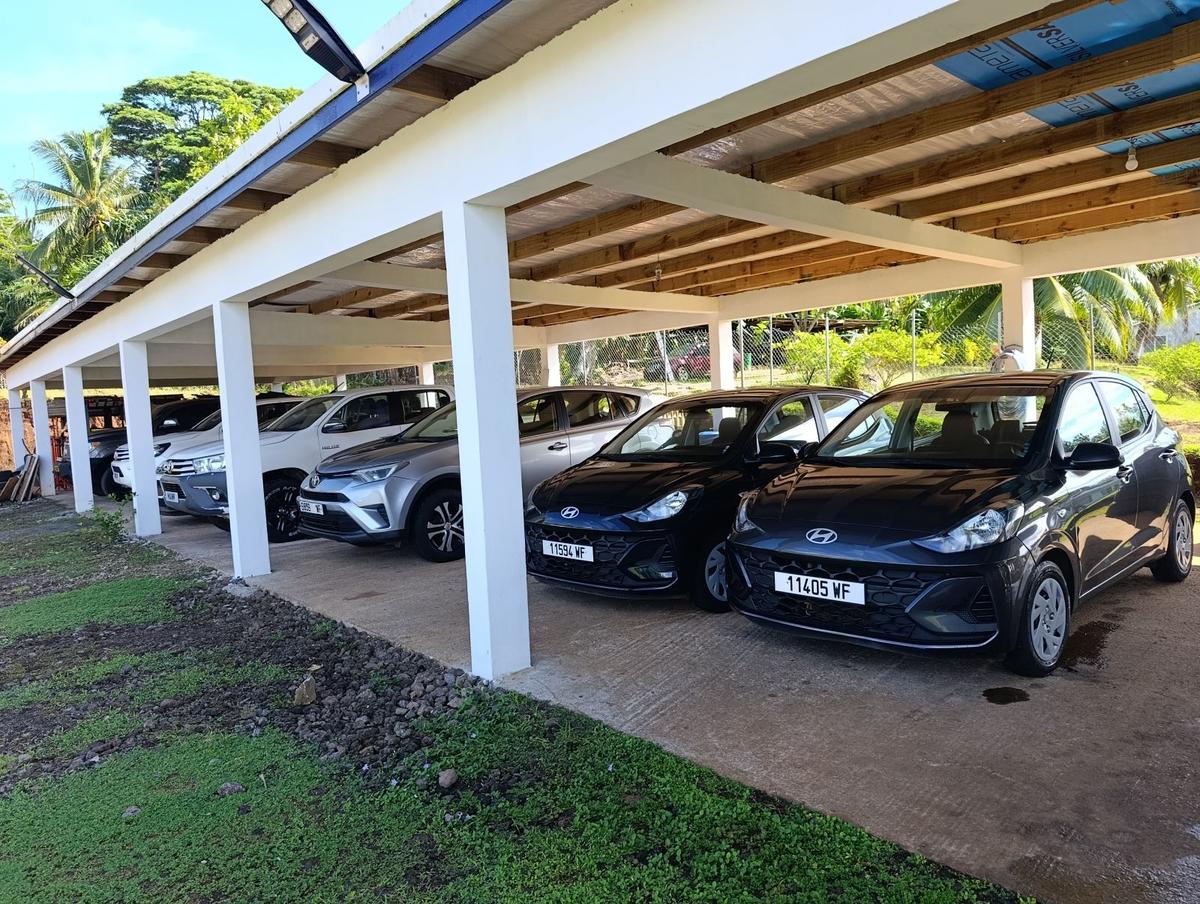
Discover Wallis at your own pace with our reliable city car rentals. Available models are the Toyota Yaris and the Geely, in automatic, perfect for exploring the islands' coastal roads and...
Afiafi Hotel
from NZ$179/night
Frequently Asked Questions About Cyclones in Wallis and Futuna
Now that you know about cyclone seasons and safety in Wallis and Futuna, here are the answers to the internet's frequently asked questions about cyclones in this Pacific territory!
When is cyclone season in Wallis and Futuna?
Cyclone season in Wallis and Futuna typically runs from November to April, with peak activity occurring between January and March. During this period, the islands are most vulnerable to tropical cyclones and severe weather systems.
For more information, check out Wallis & Futuna Weather, Seasons & Climate + Weather by Month.
How often do cyclones hit Wallis and Futuna?
Wallis and Futuna experiences a significant cyclone approximately every three to five years, though minor tropical systems may pass through more frequently. The islands' remote location in the South Pacific makes them particularly susceptible to these weather patterns.
What category cyclones typically affect Wallis and Futuna?
The islands typically experience cyclones ranging from Category 1 to Category 4, with Category 2 and 3 storms being most common. The compact size of the islands means even lower-category storms can cause significant damage across the entire territory.
How do you prepare for a cyclone in Wallis and Futuna?
Cyclone preparation involves stocking up on essential supplies including water (at least four litres per person per day), non-perishable food, medications, batteries, and fuel. From our experience, it's crucial to secure outdoor furniture and have a battery-powered radio for weather updates, as power outages are common.
Can you evacuate from Wallis and Futuna during a cyclone?
Evacuation options are extremely limited due to the islands' remote location and small airport. Hihifo International Airport typically suspends operations during severe weather, as does Pointe Vele Airport in Futuna, making evacuation by air impossible during cyclone conditions.
What damage do cyclones typically cause in Wallis and Futuna?
Cyclones commonly cause power outages, telecommunications disruptions, flooding, and damage to traditional fale structures and coconut plantations. The islands' limited infrastructure means recovery can take several weeks or months.
More About Cyclones in Wallis and Futuna
That's it for our complete guide to cyclones in Wallis and Futuna and how to prepare. For more about natural disasters and safety in Wallis and Futuna, take a look at the following guides:
- The Guide to Tsunamis & Earthquakes in Wallis & Futuna
- Wallis & Futuna Safety Tips: Is it Safe to Travel to Wallis & Futuna?
- Wallis & Futuna Weather, Seasons & Climate + Wallis & Futuna Weather by Month
Finally, get all of the tips required for a smooth getaway to the islands from our 20 Tips for Travelling in Wallis & Futuna.

-BI%20CREDIT%20WallisandFutunaPocketGuide.com-900x601.webp?v=2026-05-20T02%3A42%3A42.396Z)
-SEB%20CREDIT%20WallisandFutunaPocketGuide.com-900x601.webp?v=2026-04-07T00%3A26%3A06.322Z)