

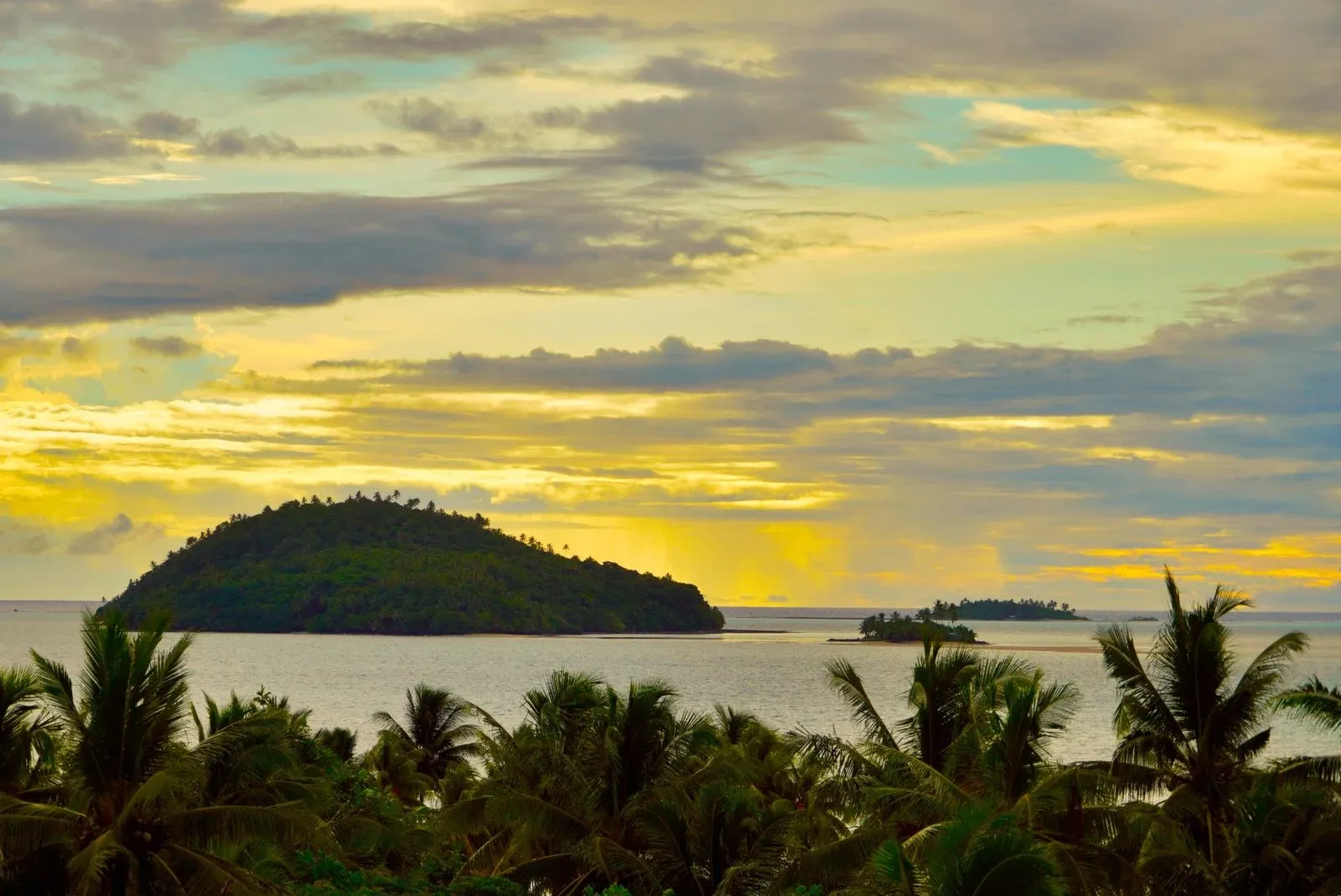
A Guide to the Weather and Climate in Wallis and Futuna
What’s the weather like in Wallis and Futuna? This remote French Pacific territory has a tropical marine climate, bringing warm temperatures year-round along with regular rainfall.
Humidity, seasonal shifts in the tradewinds, and the contrast between low-lying lagoons in Wallis and Futuna’s mountainous terrain all influence local weather patterns across the islands.
This comprehensive guide explores Wallis and Futuna’s annual weather trends, seasonal variations and detailed month-by-month climate insights to help you plan the perfect island escape.
Before you go, be sure to pack appropriately by checking out our What to Pack for Wallis & Futuna: Wallis & Futuna Packing List.
This article is based on real on-the-ground research, not on AI scraping old content from the internet. Learn how we use AI!
Table of Contents
The Seasons in Wallis and Futuna
Wallis and Futuna has a tropical marine climate that is warm and humid throughout the year, with no true "dry season".
Temperatures remain consistently high, typically ranging between 23°C (73°F) and 31°C (88°F) across the months.
Rainfall is abundant in all seasons, exceeding 3,000 mm (118 in) annually, although the period from November to April is generally wetter and more humid than the slightly cooler months from May to October, when the southeast trade winds are more noticeable.
The French territory is also exposed to South Pacific tropical cyclones, with a low to moderate risk mainly during the November to April cyclone season.
Wallis and Futuna Year-Round Weather: What is the Annual Climate
Wallis and Futuna Average Monthly Weather Data
The Temperature in Wallis and Futuna
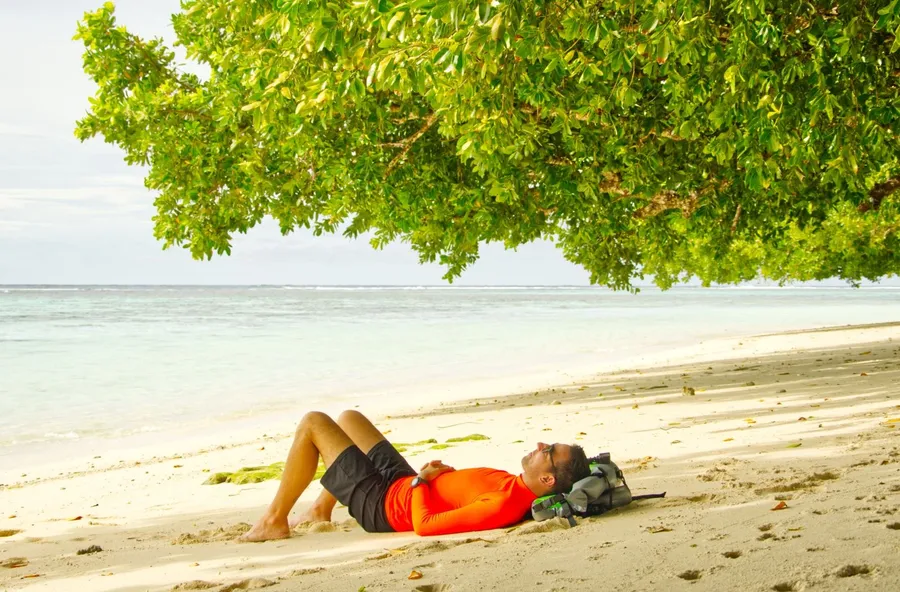
Wallis and Futuna experiences warm, tropical temperatures throughout the year due to its location around 13-14° south of the Equator. There is very little variation in both air and sea temperatures across the seasons.
Instead, the southeast trade winds between May and October provide a slightly cooler and more comfortable feel, even though actual temperatures remain consistently high.
The hottest period is generally from November to April, when daytime highs typically reach around 30-31°C (86–88°F), and less tradewind activity to ease the heat.
The slightly cooler months run from June to September, with average daytime highs around 29°C (84°F).
Nighttime temperatures are steady year-round, usually dropping to about 24°C (75°F) on cooler nights.
Wallis and Futuna Year-Round Temperature: What Is the Average Temperature in Wallis and Futuna?
The average maximum temperature in Wallis and Futuna is around 29-31°C (84-88°F), while the average minimum temperature typically sits between 23-24°C (73-75°F).
Scroll down for temperature listings for each month in Wallis and Futuna.
-SEB%20CREDIT%20WallisandFutunaPocketGuide.com.webp?v=2026-04-19T19%3A15%3A22.785Z)
The Sea Temperature in Wallis and Futuna
The Sea Temperature in Wallis and Futuna
Like its air temperature, the sea temperature in Wallis and Futuna remains consistently warm throughout the year. Thanks to its equatorial tropical marine climate, the surrounding lagoon and ocean waters are always inviting for swimming, snorkelling and other water activities.
The average annual sea temperature sits at around 28-29°C (82-84°F), providing excellent conditions for enjoying the South Pacific year-round.
The warmest water temperatures are generally experienced during the hotter, more humid period from November to April, when the sea averages close to 29°C (84°F).
Even during the slightly cooler months between May and October, the water temperature only dips marginally to around 28°C (82°F), remaining comfortably warm.
Scroll down to see detailed monthly sea temperatures for Wallis and Futuna in our complete weather guides.
-IC%26C%20CREDIT%20WallisandFutunaPocketGuide.com-900x601.webp?v=2026-04-07T00%3A30%3A19.726Z)
LS Location
from NZ$145
Rainfall in Wallis and Futuna
Rainfall is a defining feature of Wallis and Futuna’s tropical marine climate, and showers are possible in all seasons.
The islands receive more than 3,000 mm (118 in) of rain annually, spread across the year, reflecting their lush and verdant landscapes. While there is a relatively wetter period from November to April and a slightly drier period from May to October, neither constitutes a true dry season.
During the wetter months, monthly rainfall often exceeds 300 mm (12 in), with short but intense tropical downpours common. In the drier months, precipitation typically decreases but still averages over 100 mm (4 in) per month, meaning showers remain a regular part of island life.
These bursts of rain are often brief and followed by sunshine, contributing to the region’s vibrant vegetation.
Microclimates across the islands mean rainfall can vary from one location to another; it might be raining in one village while conditions remain dry just a short distance away.
Editor's Choice
LS Location
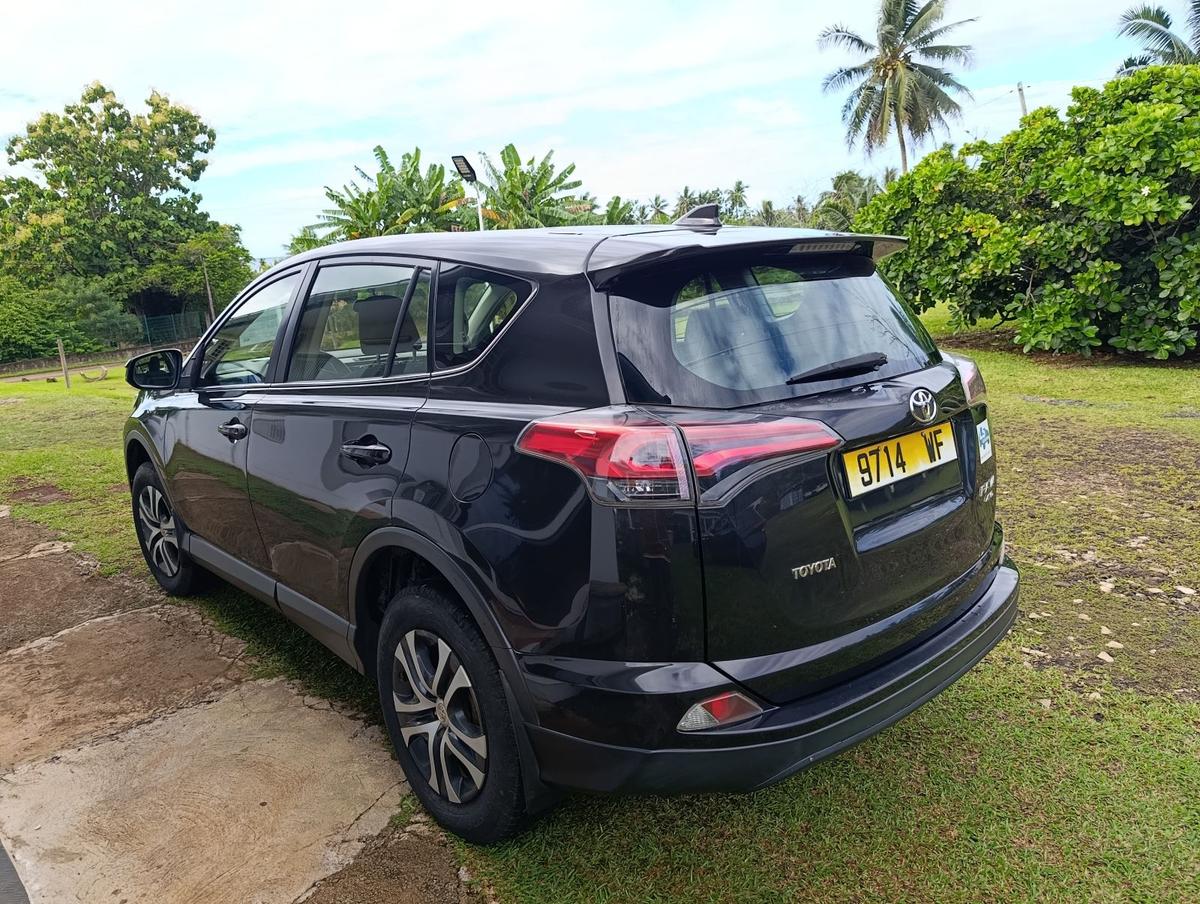
Explore Wallis at your own pace with our reliable fleet of Toyota SUVs. Choose between the manual RAV4 or automatic CHR to suit your driving style. We make island adventures easy with free airport...
-S%20CREDIT%20WallisandFutunaPocketGuide.com-900x601.webp?v=2026-04-07T00%3A30%3A23.237Z)
Daylight and Sunshine Hours in Wallis and Futuna
Wallis and Futuna enjoys long daylight hours year-round thanks to its equatorial location.
Around 13 hours of daylight are typical during the wetter months from November to February, while daylight shortens slightly to about 11-12 hours during the mid-year period when the south-east trade winds are more prominent.
Sunshine hours vary with the seasons. The sunniest conditions generally occur between August and October, when the islands receive roughly 5-6 hours of bright sunshine per day on average.
During the wetter months of December and January, cloud cover is more frequent, reducing sunshine hours somewhat, though sunny intervals remain common between tropical showers.
Overall, Wallis and Futuna’s climate provides abundant daylight throughout the year, making it well suited for outdoor exploration and lagoon activities in most seasons.
Severe Weather Events
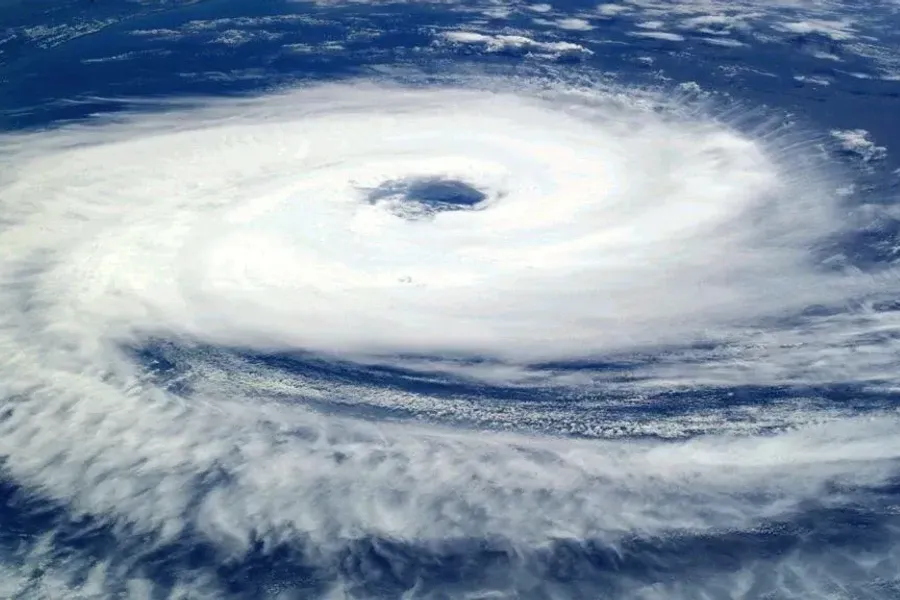
Wallis and Futuna lies within the South Pacific cyclone belt and can be affected by tropical cyclones during the wetter months from November to April.
The highest likelihood of severe weather generally occurs between December and March, particularly during years influenced by regional climate patterns such as El Niño.
While the overall risk of major cyclones is low to moderate, storms can bring heavy rainfall, strong winds and coastal swells.
Historically, the territory has experienced impacts from tropical cyclones, including flooding, temporary disruptions to infrastructure and storm-related damage. However, such events are relatively infrequent, and local authorities maintain established emergency response systems to manage severe weather situations.
For peace of mind, check forecasts regularly and read our Cyclone Safety in Wallis & Futuna guide to stay prepared during cyclone season.
Wallis and Futuna Weather by Month
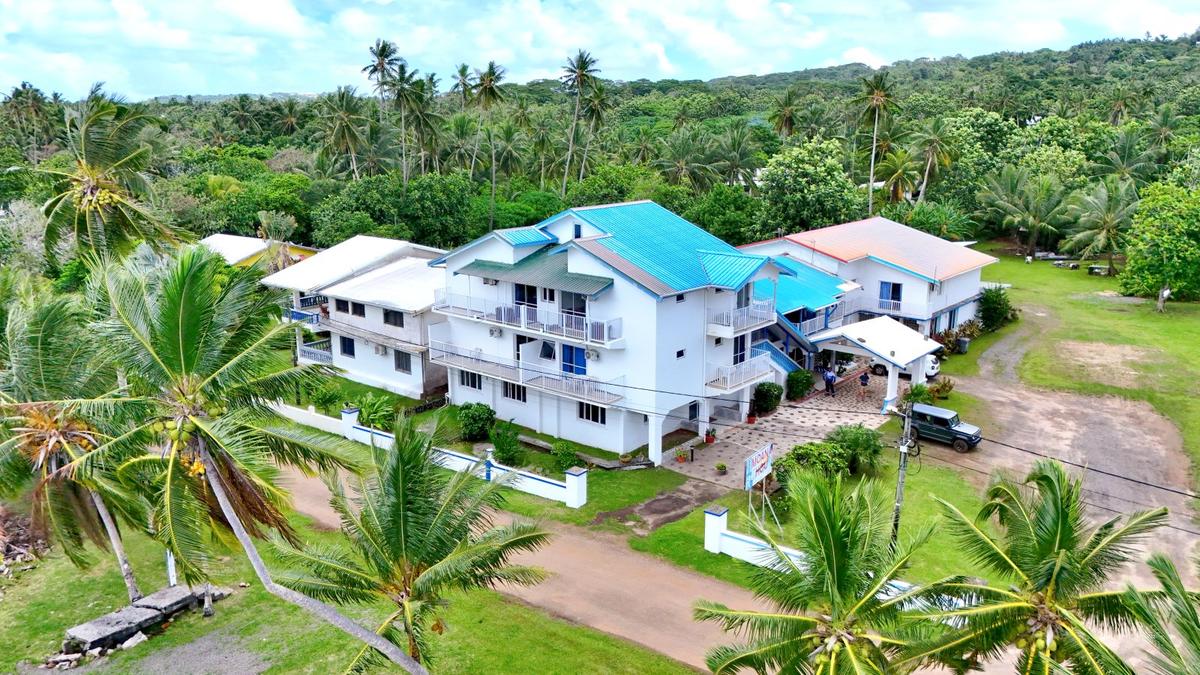
Moana Hou
from NZ$335/night
January Weather in Wallis and Futuna
January is one of the warmest and wetter months of the year, with tropical conditions characterised by high humidity and frequent showers.
The South Pacific cyclone season is also underway during this period, so tropical storms are possible and weather awareness is recommended.
Despite the rainfall, the islands remain lush and vibrant, with plenty of sunny intervals between tropical bursts of rain.
Average temperature: 30°C (86°F) in the day, 24°C (75°F) at night
Average sea temperature: 29°C (84°F)
Average rainfall: 319 mm (12.6 in)
Daylight hours: 13 hours
For more in-depth information, see our complete guide to Wallis & Futuna Weather in January.
Where to Stay
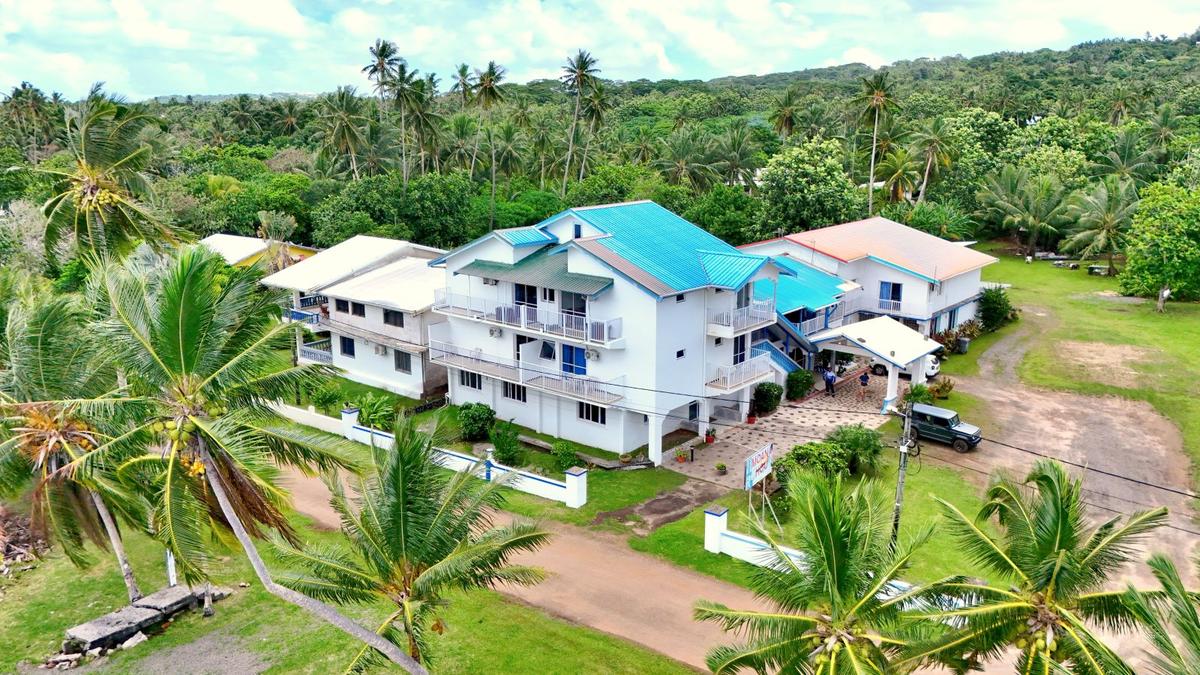
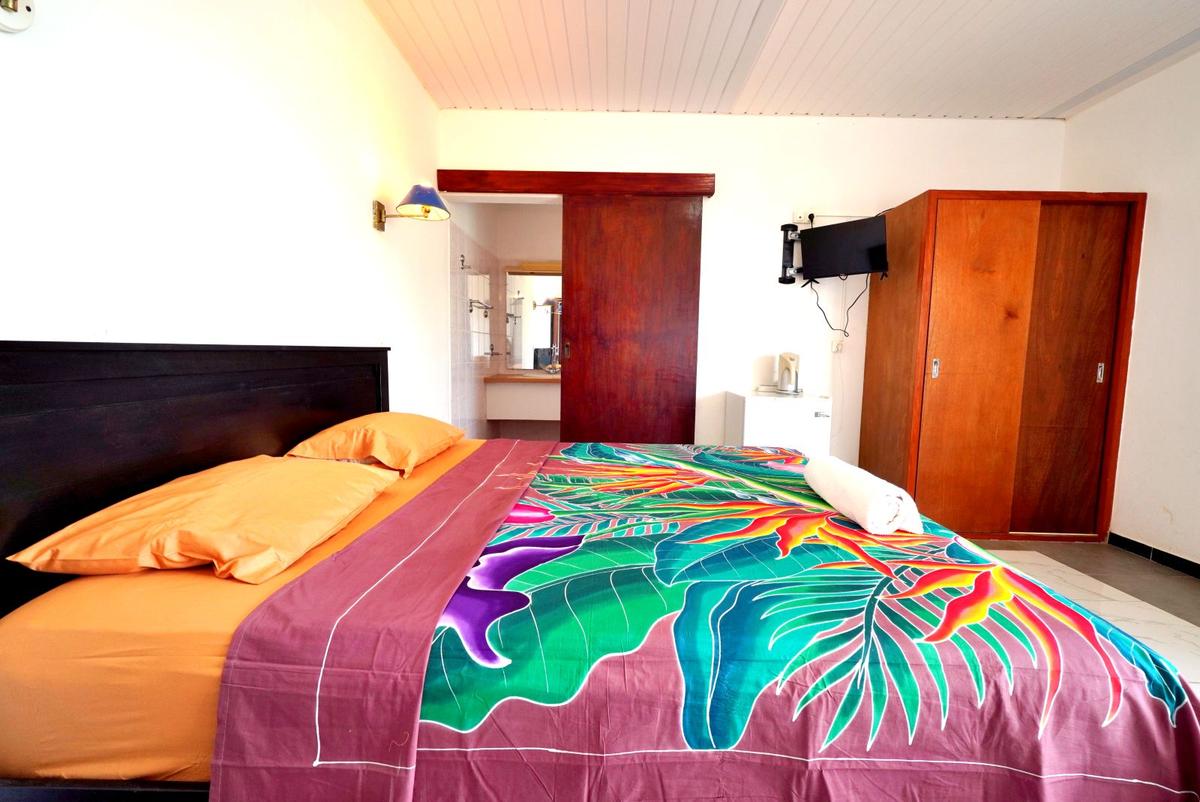
Moana Hou
Standard Double Room · Ocean View Room · Traditional Suite +1 more
NZ$245/night
%20CREDIT%20WallisandFutunaPocketGuide.com-900x506.webp?v=2026-04-11T21%3A14%3A52.861Z)
February Weather in Wallis and Futuna
February remains hot and humid with frequent tropical showers, often arriving as intense but short-lived bursts in the afternoon.
Tradewinds are typically lighter during this month, which creates calmer conditions for water activities such as snorkelling, kayaking, outrigger canoeing and fishing.
It is still within the South Pacific cyclone season, so travellers should stay informed about weather updates and any storm advisories.
Despite the rainfall, the islands are lush and quiet, with few visitors and vibrant landscapes that are ideal for sightseeing between showers.
Average temperature: 31°C (87.8°F) in the day, 24°C (75.2°F) at night
Average sea temperature: 29°C (84°F)
Average rainfall: 311 mm (12 in)
Daylight hours: 13 hours
For more in-depth information, see our complete guide to Wallis & Futuna Weather in February.
March Weather in Wallis and Futuna
March continues the tropical warmth and humidity typical of the wet season, though rainfall often begins to ease slightly compared with earlier months. Conditions remain lush and green, and calmer seas compared to the tradewind months make it a good period for canoe (vaka/va'a) tours.
The South Pacific cyclone season is still in effect, so monitoring weather updates is recommended, but storms are relatively infrequent.
Average temperature: 30°C (86°F) in the day, 24°C (75°F) at night
Average sea temperature: 29°C (84°F)
Average rainfall: 304 mm (12 in)
Daylight hours: 12 hours
For more in-depth information, see the complete guide to Wallis & Futuna Weather in March.
-SE%20CREDIT%20WallisandFutunaPocketGuide.com.webp?v=2026-04-11T21%3A10%3A22.819Z)
A Vaka Heke
from NZ$70
April Weather in Wallis and Futuna
April marks the tail end of the wetter part of the year, with showers becoming less frequent and sunshine returning more often, although humidity remains high.
Conditions are generally calmer at sea before the southeast tradewinds strengthen later in the year, making April a good opportunity for water activities such as fishing or scuba diving in relatively settled waters.
The islands feel fresh and vibrant at this time, which the locals feel too, as they start the village fête season, with a Catholic mass, traditional dancing and community gatherings outside of the villages' main chapels.
While brief tropical showers can still occur, they are often short and followed by sunny periods, allowing plenty of time to explore.
Average temperature: 30°C (86°F) in the day, 24°C (75°F) at night
Average sea temperature: 29°C (84°F)
Average rainfall: 303 mm (12 in)
Daylight hours: 12 hours
For more in-depth information, see our full guide to Wallis & Futuna Weather in April.
-SE%20CREDIT%20WallisandFutunaPocketGuide.com-900x633.webp?v=2026-04-22T03%3A00%3A04.437Z)
May Weather in Wallis and Futuna
May brings a gradual easing of rainfall and a slight drop in humidity, though the tropical marine climate remains warm and comfortable.
Tradewinds begin to become more noticeable during this period, creating calmer mornings and making early beach visits more enjoyable before winds strengthen later in the day, when you can swap your snorkel gear for kitesurfing or Hobie Cat sailing on the Wallis Lagoon.
Although there is no true dry season, conditions in May often feel more settled and pleasant for outdoor adventures, such as hiking Mt Puke or across Alofi Island.
Average temperature: 30°C (86°F) in the day, 24°C (75°F) at night
Average sea temperature: 29°C (84°F)
Average rainfall: 273 mm (10.7 in)
Daylight hours: 12 hours
For more in-depth information, see our complete guide to Wallis & Futuna Weather in May.
Editor's Choice
A Vaka Heke
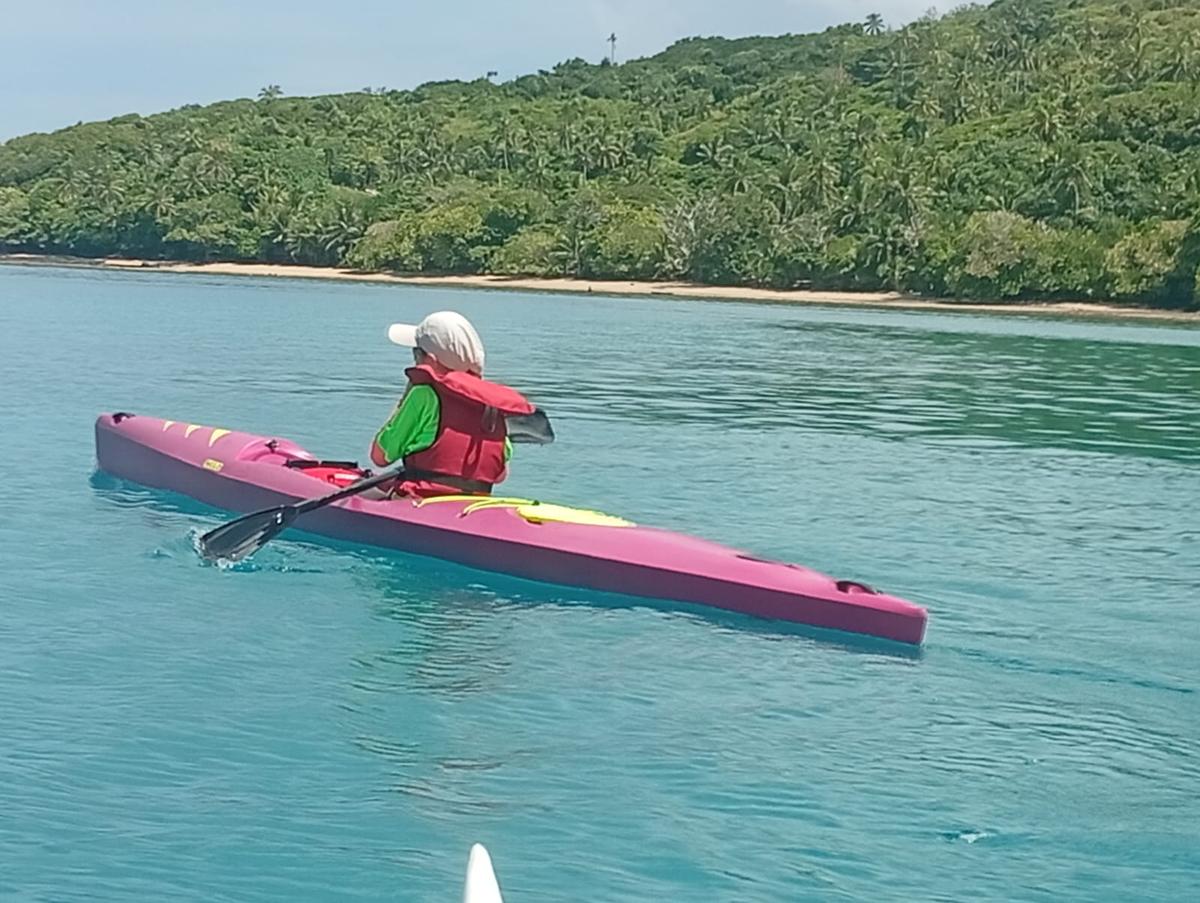
Discover the stunning motu of Wallis from the water on a guided paddle adventure with A Vaka Heke. Choose your craft: surfski, kayak or paddleboard, and your pace, with tours ranging from one hour...
-SEB%20CREDIT%20WallisandFutunaPocketGuide.com-900x506.webp?v=2026-04-14T19%3A59%3A25.913Z)
June Weather in Wallis and Futuna
June is one of the driest and most pleasant months of the year, making it ideal for just about any outdoor activity you want to do in Wallis and Futuna.
Rainfall is less frequent than in the wetter season, and sunny periods are common, creating excellent conditions for coastal walks, snorkelling and discovering the islands’ cultural and historical sites.
Tradewinds may be present but generally provide a refreshing breeze rather than disrupting activities. In fact, tradewinds are on your side if you're interested in Hobie Cat sailing or kitesurfing.
Average temperature: 29°C (84°F) in the day, 24°C (73°F) at night
Average sea temperature: 28°C (82°F)
Average rainfall: 174 mm (6.9 in)
Daylight hours: 11 hours
For more in-depth information, see the complete guide to Wallis & Futuna Weather in June.
-SEB%20CREDIT%20WallisandFutunaPocketGuide.com-900x507.webp?v=2026-04-19T19%3A18%3A03.066Z)
Wallis Voyages
from NZ$170
July Weather in Wallis and Futuna
July sits firmly within the drier part of the year, bringing plenty of sunshine and relatively low rainfall. This coincides with some of Wallis and Futuna's biggest cultural events, such as its National Day and Territory Day.
Conditions are generally excellent for outdoor activities such as lagoon swimming, snorkelling and hiking, though tradewinds can occasionally create choppier seas, especially in the more exposed coasts of Futuna. Saying that, the islands’ volcanic and mountainous terrain means microclimates are common, so brief showers may appear in certain areas even when other parts remain sunny.
Overall, July’s warm temperatures and settled weather make it a rewarding time to explore natural and cultural highlights at a relaxed pace. UV exposure remains strong during outdoor adventures, so sun protection is recommended.
Average temperature: 29°C (84°F) in the day, 24°C (75°F) at night
Average sea temperature: 28°C (82°F)
Average rainfall: 198 mm (7.8 in)
Daylight hours: 11 hours
For more in-depth information, see the complete guide to Wallis & Futuna Weather in July.
-U%20CREDIT%20WallisandFutunaPocketGuide.com-900x507.webp?v=2026-04-14T19%3A51%3A34.220Z)
August Weather in Wallis and Futuna
August is typically dry, sunny and pleasantly warm, with lower humidity than the wetter months. The southeast tradewinds provide a refreshing breeze, making it an excellent time for tackling the many hikes across Futuna and Alofi.
While the winds can create choppier sea conditions, Wallis' lagoon is not too much affected, though you'll want to aim for swimming at high incoming tide on Futuna.
Overall, August offers excellent conditions for outdoor discovery and enjoying the natural beauty of Wallis and Futuna.
Average temperature: 29°C (84°F) in the day, 23°C (73°F) at night
Average sea temperature: 29°C (84.2°F)
Average rainfall: 152 mm (6 in)
Daylight hours: 12 hours
For more in-depth information, see the complete guide to Wallis & Futuna Weather in August.

September Weather in Wallis and Futuna
September remains part of the calmer, drier period of the year, with mild humidity, limited rainfall and steady sunshine complemented by cooling coastal breezes.
Attractions typically remain relaxed and uncrowded, reflecting the laid-back atmosphere of the islands.
As for village fêtes, they too start to ease in their frequency.
Average temperature: 29°C (84.2°F) in the day, 24°C (75.2°F) at night
Average sea temperature: 28°C (82°F)
Average rainfall: 186 mm (7.3 in)
Daylight hours: 12 hours
For more in-depth information, see the complete guide to Wallis & Futuna Weather in September.
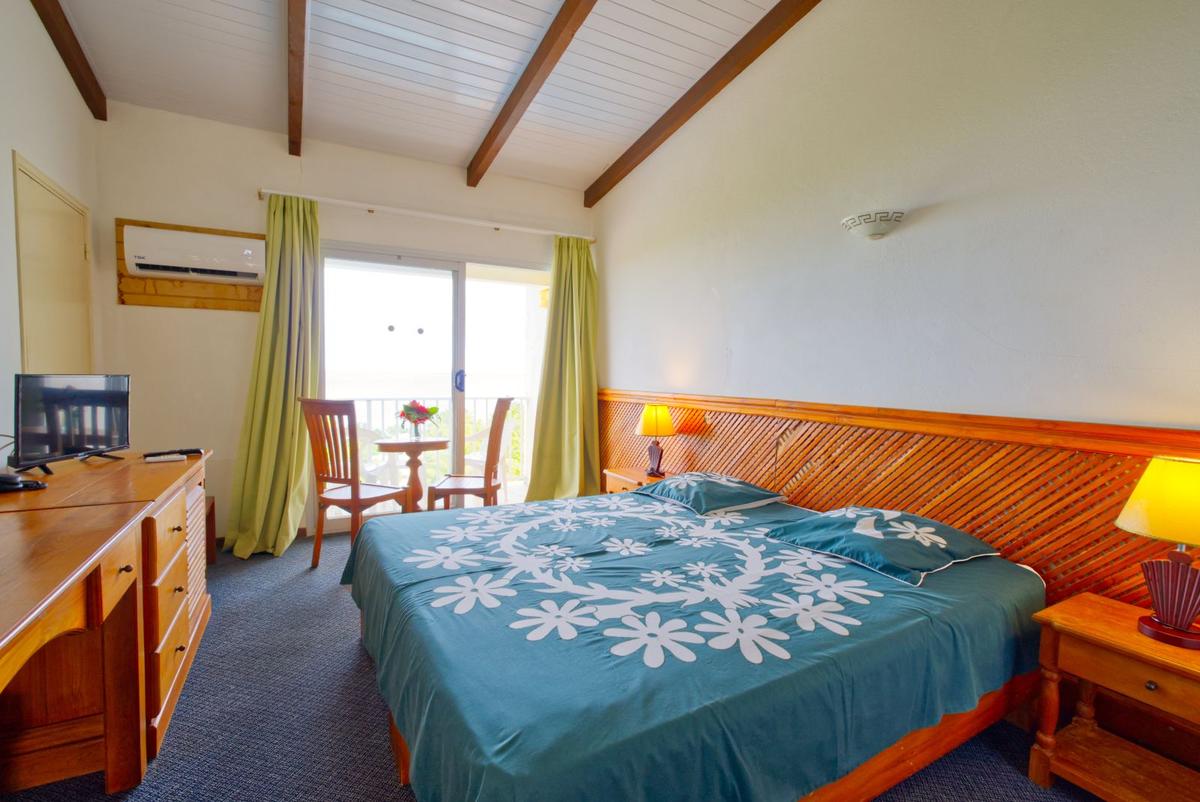
Where to Stay
Hotel Lomipeau
Standard Room · Premium Room
NZ$270/night
-SEB%20CREDIT%20WallisandFutunaPocketGuide.com-900x506.webp?v=2026-04-11T21%3A09%3A06.118Z)
Hotel Lomipeau
from NZ$300/night
October Weather in Wallis and Futuna
October marks the transition toward the wetter part of the year. Brief tropical showers become more common, often arriving in short bursts during the afternoon, while sunshine and warm temperatures still provide plenty of opportunities for outdoor adventures.
Conditions are generally pleasant for sightseeing, although local school holidays can mean increased activity at popular sites as families enjoy time together, such as time on Alofi or Wallis' motu.
Humidity may rise slightly compared with the mid-year months, but conditions generally remain comfortable for coastal walks and lagoon activities.
Average temperature: 29°C (84°F) in the day, 24°C (75°F) at night
Average sea temperature: 28°C (82°F)
Average rainfall: 326 mm (12.8 in)
Daylight hours: 12 hours
For more in-depth information, see the complete guide to Wallis & Futuna Weather in October.
%20CREDIT%20WallisandFutunaPocketGuide.com.webp?v=2026-04-07T00%3A50%3A26.880Z)
November Weather in Wallis and Futuna
November ushers in the wetter part of the year and a welcome easing of tradewinds. Rainfall becomes more frequent and humidity rises, but showers are often short-lived and interspersed with sunny periods.
The calmer sea conditions can create good opportunities for paddle sports, such as kayaking, stand-up paddleboarding and outrigger canoeing. There are plenty of associations eager to share their hobby with visitors.
It is also the start of the South Pacific cyclone season, so travellers should monitor weather forecasts and stay informed about any storm advisories as a precaution.
Despite the increased rainfall, November remains a rewarding time to experience the natural beauty of Wallis and Futuna.
Average temperature: 30°C (86°F) in the day, 24°C (75°F) at night
Average sea temperature: 29°C (84°F)
Average rainfall: 309 mm (12 in)
Daylight hours: 13 hours
For more in-depth information, see the complete guide to Wallis & Futuna Weather in November.
-BI%20CREDIT%20WallisandFutunaPocketGuide.com-900x601.webp?v=2026-04-07T00%3A33%3A56.494Z)
December Weather in Wallis and Futuna
December falls within the wetter and more humid part of the year, with frequent tropical showers and a heightened chance of storm activity as the South Pacific cyclone season continues.
Rain often arrives in short bursts, leaving opportunities for sunshine between downpours, and the lush landscapes feel especially vibrant. On Wallis, lagoon conditions can remain calm at times, making snorkelling and water activities enjoyable when seas are settled. On Futuna, always check the conditions and aim for snorkelling at high incoming tide.
Despite the tropical weather, December is a lively month for community gatherings and holiday celebrations across the islands, with church events and local festivities.
Average temperature: 31°C (87.8°F) in the day, 24°C (75.2°F) at night
Average sea temperature: 29°C (84°F)
Average rainfall: 347 mm (13.7 in)
Daylight hours: 13 hours
For more in-depth information, see the complete guide to Wallis & Futuna Weather in December.
-SEB%20CREDIT%20WallisandFutunaPocketGuide.com-900x601.webp?v=2026-04-07T01%3A21%3A25.191Z)
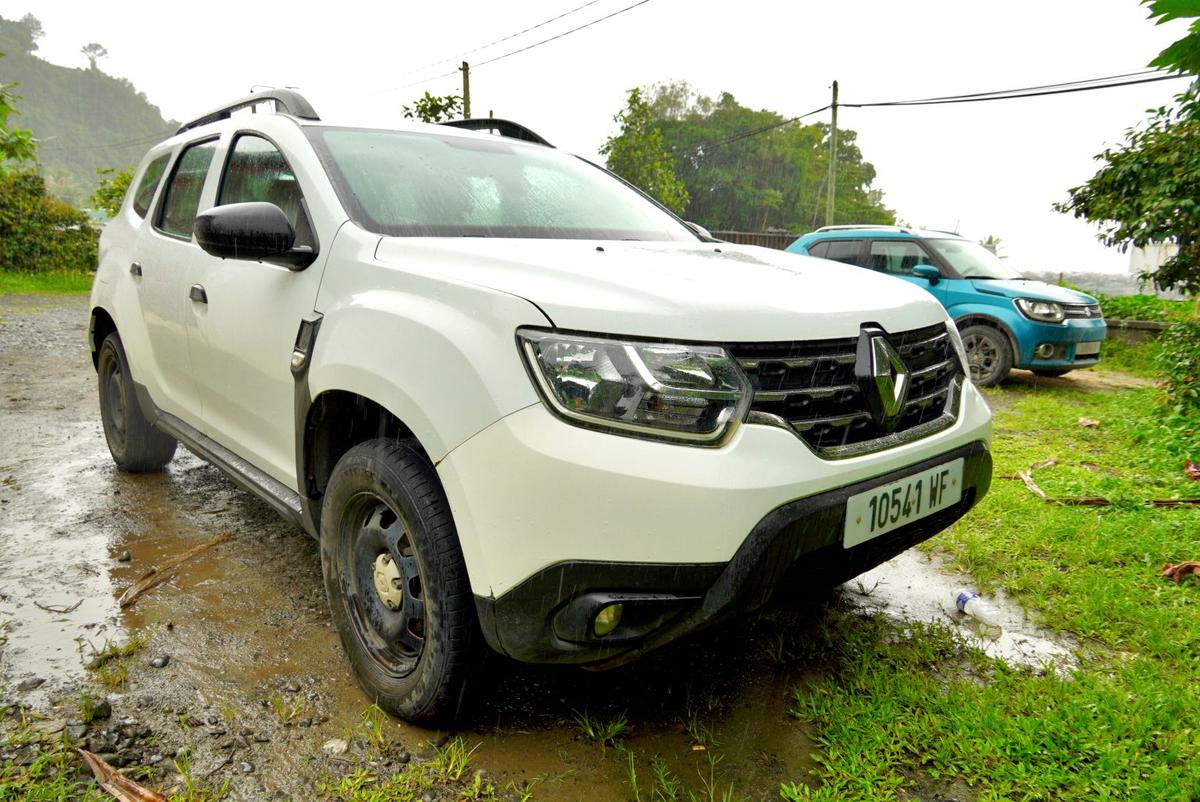
Corail Renting
from NZ$135
Frequently Asked Questions About the Weather in Wallis and Futuna
Now that you know about the climate patterns in Wallis and Futuna, here are the answers to the internet's frequently asked questions about the weather in these beautiful Pacific islands!
What is the best time to visit Wallis and Futuna weather-wise?
The best time to visit Wallis and Futuna is from May to October, when you'll experience lower humidity, less rainfall and more comfortable temperatures.
Is there a cyclone season in Wallis and Futuna?
Yes, cyclone season in Wallis and Futuna runs from November to April, coinciding with the wet season. Whilst cyclones don't occur every year, it's important to monitor weather forecasts if travelling during this period. For more information, check out Cyclone Safety in Wallis & Futuna.
How much rainfall does Wallis and Futuna get?
Annual rainfall in Wallis and Futuna averages around 2,500-3,000 mm (98-118 in), with most precipitation occurring during the wet season from November to April. The dry season sees significantly less rainfall.
What should I pack for the weather in Wallis and Futuna?
Pack lightweight, breathable clothing, a waterproof jacket for occasional showers, sun protection including SPF 50+ sunscreen and a hat, and comfortable walking shoes that can handle wet conditions. During wet season visits, bring additional rain gear. For more information, check out What to Pack for Wallis & Futuna.
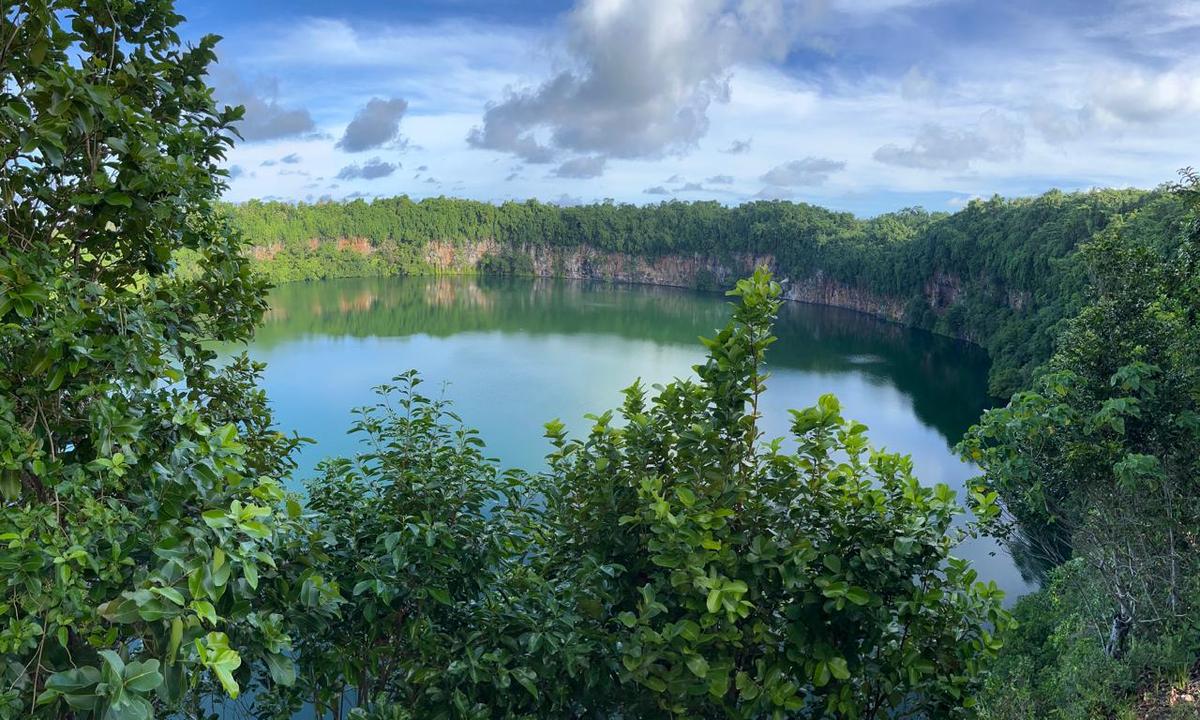
Editor's Choice
Wallis Voyages
Discover the heart and soul of Wallis (Uvea) on our comprehensive 4-hour guided tour. We'll whisk you from your accommodation to explore the island's most captivating sites, from the revered royal...
More About the Weather, Seasons and Climate in Wallis and Futuna
That’s it for our complete guide to the weather and climate in Wallis and Futuna. Check out the following articles for more travel tips:
- The Best Time to Visit Wallis & Futuna: A Month-by-Month Guide
- The Top Natural Wonders in Wallis & Futuna
- Where to Stay in Wallis & Futuna
- 101 Best Things to Do in Wallis & Futuna: The Ultimate List
At last, enjoy a comprehensive guide to planning a trip to Wallis and Futuna in The Complete Travel Guide to Wallis & Futuna.

-BI%20CREDIT%20WallisandFutunaPocketGuide.com-900x601.webp?v=2026-05-20T02%3A42%3A42.396Z)
-SEB%20CREDIT%20WallisandFutunaPocketGuide.com-900x601.webp?v=2026-04-07T00%3A26%3A06.322Z)