

-SEB%20CREDIT%20WallisandFutunaPocketGuide.com.webp?v=2026-04-19T19%3A15%3A28.938Z)
When to Visit Wallis and Futuna
There is no single “bad” time to visit Wallis and Futuna, the best period depends on the type of experience you want. The islands enjoy a warm, tropical marine climate year-round, with conditions shaped by wetter and drier phases rather than true seasonal extremes.
Outdoor activities, cultural exploration and relaxation are possible in every season, though weather patterns and sea conditions can influence the ideal timing for specific activities, such as kitesports or seeing whales, for example.
Wallis and Futuna’s calendar also features local festivals and community events that add depth to the travel experience, offering opportunities to witness some of the islands' richest cultural exchanges.
This guide explores the climate, seasonal highlights and practical travel considerations month by month, helping you choose the best time for your escape to Wallis and Futuna.
This article is based on real on-the-ground research, not on AI scraping old content from the internet. Learn how we use AI!
Table of Contents
The Best Months to Visit Wallis and Futuna
Wallis and Futuna is one of those rare destinations where visiting during peak season is actually the smart choice.
Unlike other tropical hotspots that get swamped with crowds, these islands see so few visitors that you'll hardly notice the difference. We're talking about a place where "busy" means spotting another tourist at the local café.
The sweet spot for your visit? July to September.
During these months, the tradewinds kick into perfect gear, creating ideal conditions for kitesurfing and sailing if you're into watersports.
July to September also happens to be the most vibrant time for cultural celebrations. You'll catch major events like National Day and Territorial Day, plus numerous village feast days where communities celebrate their patron saints.
And the cherry on top is the whale season, when you may spot whales or hear them when scuba diving, especially in Futuna.
Oh, and because July to September is during the dry season, the weather is warm and the air feels less humid, which most find more comfortable.
%20CREDIT%20WallisandFutunaPocketGuide.com-900x601.webp?v=2026-04-11T21%3A00%3A24.946Z)
When is the High and Low Season in Wallis and Futuna?
I.e. When is the Peak, Shoulder and Off-Season in Wallis and Futuna?
Tourism in Wallis and Futuna is generally low year-round, so crowds are rare except during local school holidays or community events when residents travel within the islands. What could be considered “peak season” relates more to weather, local activity and availability of flights and accommodation than to large numbers of international visitors.
High Season (July - September & December)
The high season aligns with the drier, cooler part of the year from July to September, with December also included due to the Christmas period. Conditions are generally more comfortable for outdoor activities thanks to lower humidity and the influence of tradewinds.
This period is ideal for snorkelling, hiking and general sightseeing. Demand for flights and accommodation can increase, so booking in advance is recommended.
A major cultural highlight during this period is Territory Day on 29th July, when traditional celebrations and community events take place across the islands. Learn more about this event and more in the 10 Biggest Events & Festivals in Wallis & Futuna.
Low Season (January - April)
The low season coincides with the wetter and more humid months from January to April. Rainfall is higher and the South Pacific cyclone season occurs during this period, meaning weather conditions can be more variable. When weather conditions are rough, domestic flights can be grounded, sometimes for a few days at a time.
Tourism remains quiet, offering relaxed travel conditions and opportunities for spontaneous bookings. In Wallis, lagoon waters tend to be calm most of the time, making water activities enjoyable despite the season.
Shoulder Seasons (May - June & October - November)
The transitional months of May to June and October to November often provide a balance of pleasant weather and quieter attractions. These periods can be excellent for travellers seeking good conditions without the busier travel times of the high season.
Overall, Wallis and Futuna's low visitor numbers mean you are unlikely to encounter large crowds, regardless of when you travel. Planning around seasonal weather patterns is the main consideration for maximising outdoor activities and travel comfort.
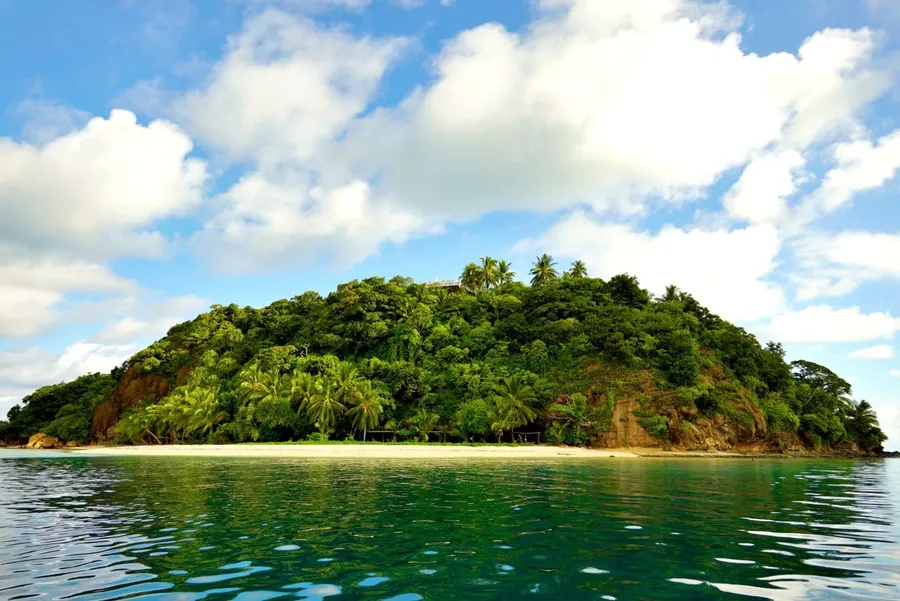
The Best Months to Visit Wallis and Futuna for the Best Weather
Weather is often a key factor when planning a visit to Wallis and Futuna. The territory experiences a tropical marine climate with warm temperatures year-round and distinct wetter and drier periods.
The drier season from May to October tends to be slightly cooler and more comfortable for outdoor exploration, aided by trade winds.
The wetter season from November to April brings higher humidity and more frequent showers, though sunny intervals remain common and lagoon conditions can still be favourable for water activities.
If you want a full breakdown, head to our Wallis & Futuna Weather, Seasons & Climate + Weather by Month guide. Otherwise, here's a quick snapshot of what to expect from the weather throughout the year in Wallis and Futuna.
January Weather
Average temperature: 30°C (86°F) in the day, 24°C (75°F) at night
Average sea temperature: 29°C (84°F)
Average rainfall: 319 mm (12.6 in)
Daylight hours: 13 hours
See the Wallis & Futuna Weather in January for a full guide.
February Weather
Average temperature: 31°C (87.8°F) in the day, 24°C (75.2°F) at night
Average sea temperature: 29°C (84°F)
Average rainfall: 311 mm (12 in)
Daylight hours: 13 hours
See the Wallis & Futuna Weather in February for a full guide.
March Weather
Average temperature: 30°C (86°F) in the day, 24°C (75°F) at night
Average sea temperature: 29°C (84°F)
Average rainfall: 304 mm (12 in)
Daylight hours: 12 hours
See the Wallis & Futuna Weather in March for a full guide.
April Weather
Average temperature: 30°C (86°F) in the day, 24°C (75°F) at night
Average sea temperature: 29°C (84°F)
Average rainfall: 303 mm (12 in)
Daylight hours: 12 hours
See the Wallis & Futuna Weather in April for a full guide.
May Weather
Average temperature: 30°C (86°F) in the day, 24°C (75°F) at night
Average sea temperature: 29°C (84°F)
Average rainfall: 273 mm (10.7 in)
Daylight hours: 12 hours
See the Wallis & Futuna Weather in May for a full guide.
June Weather
Average temperature: 29°C (84°F) in the day, 24°C (73°F) at night
Average sea temperature: 28°C (82°F)
Average rainfall: 174 mm (6.9 in)
Daylight hours: 11 hours
See the Wallis & Futuna Weather in June for a full guide.
July Weather
Average temperature: 29°C (84°F) in the day, 24°C (75°F) at night
Average sea temperature: 28°C (82°F)
Average rainfall: 198 mm (7.8 in)
Daylight hours: 11 hours
See the Wallis & Futuna Weather in July for a full guide.
August Weather
Average temperature: 29°C (84°F) in the day, 23°C (73°F) at night
Average sea temperature: 29°C (84.2°F)
Average rainfall: 152 mm (6 in)
Daylight hours: 12 hours
See the Wallis & Futuna Weather in August for a full guide.
September Weather
Average temperature: 29°C (84.2°F) in the day, 24°C (75.2°F) at night
Average sea temperature: 28°C (82°F)
Average rainfall: 186 mm (7.3 in)
Daylight hours: 12 hours
See the Wallis & Futuna Weather in September for a full guide.
October Weather
Average temperature: 29°C (84°F) in the day, 24°C (75°F) at night
Average sea temperature: 28°C (82°F)
Average rainfall: 326 mm (12.8 in)
Daylight hours: 12 hours
See the Wallis & Futuna Weather in October for a full guide.
November Weather
Average temperature: 30°C (86°F) in the day, 24°C (75°F) at night
Average sea temperature: 29°C (84°F)
Average rainfall: 309 mm (12 in)
Daylight hours: 13 hours
See the Wallis & Futuna Weather in November for a full guide.
December Weather
Average temperature: 31°C (87.8°F) in the day, 24°C (75.2°F) at night
Average sea temperature: 29°C (84°F)
Average rainfall: 347 mm (13.7 in)
Daylight hours: 13 hours
See the Wallis & Futuna Weather in December for a full guide.
Again, head to our Wallis & Futuna Weather, Seasons & Climate + Wallis & Futuna Weather by Month for a complete weather and climate rundown.
-SEB%20CREDIT%20WallisandFutunaPocketGuide.com-900x506.webp?v=2026-04-14T19%3A59%3A36.937Z)
The Best Time to Visit Wallis and Futuna for Seasonal Activities
If you plan to focus on specific activities during your visit, it’s worth considering seasonal conditions that can enhance your experience. Water-based activities such as snorkelling, diving and lagoon boat trips are often best when seas are calm, while hiking and cultural exploration can be more comfortable during cooler, drier periods.
The Best Time for Kitesports and Sailing in Wallis and Futuna
If you're after consistent winds for kitesurfing or sailing, Wallis' position right in the South Pacific tradewind belt is perfect for wind-based watersports.
The sweet spot for kitesports and sailing runs from May to October. During these months, the southeast tradewinds blow consistently and really dominate the weather patterns.
The strongest winds typically hit between June and September, with July being the absolute windiest month of the year.
Kitesports has become quite the scene here, especially with the bi-annual Manatai festival bringing together enthusiasts from across the Pacific. Local operators like Association Vaka La offer brilliant Hobie Cat sailing tours and rentals, so you can get straight out on the water without any hassle.
The Best Time for Snorkelling and Scuba Diving in Wallis and Futuna
Diving is available year-round. Shore dives are common and easy to access, while boat charters provide opportunities to reach deeper and more remote reefs.
Visibility is typically at its best from April to October, but the warm waters (around 29°C / 84°F) mean underwater conditions are enjoyable in any season.
If you're hoping to experience certain wildlife, humpback whales can be heard in the waters, particularly around Futuna between July and October.
It's also the manta ray season from March to April, again, best experienced in Futuna.
Check out The Best Scuba Diving in Wallis & Futuna: Top 10 Places to Scuba Dive to learn more.
The Best Time for Fishing in Wallis and Futuna
Fishing in Wallis and Futuna is excellent year-round, with game species appearing in different seasons but always available.
Yellowfin tuna and other large pelagics can be caught throughout the year, while mahimahi are more common from September to March and wahoo often peak between August and October.
Dogtooth tuna, marlin and sailfish are present in the waters all year, making the archipelago a rewarding destination for sport and traditional fishing alike.
Check The Ultimate Guide to Fishing in Wallis & Futuna for our full fishing analysis.
The Best Time for Events and Festivals in Wallis and Futuna
The islands have a modest but meaningful calendar of cultural and community events rooted in tradition and local celebration. Dates may vary each year, but here are the key occasions to consider when planning your visit:
- Territory Day - 29 July - The biggest public celebration of the year, featuring traditional dance, music and community gatherings that showcase island pride and culture.
- Bastille Day (National Day) - 14 July - As a French overseas territory, national celebrations mirror those in France with parades and public festivities.
- Religious festivals - March/April, December - Catholic events such as Easter and Christmas are widely observed with church services spilling onto the streets from the islands' numerous chapels and cathedrals.
- Village celebrations - June to September - Individual villages host smaller fêtes, typically on the day of their church's patron saint, with traditional dance and shared meals. These are community-focused and offer a warm welcome to visitors.
Learn more about each of these events in the Biggest Events & Festivals in Wallis & Futuna.
-CUNL%20CREDIT%20WallisandFutunaPocketGuide.com-900x601.webp?v=2026-04-12T02%3A49%3A28.299Z)
The Cheapest Time to Visit Wallis and Futuna
If you're looking to explore Wallis and Futuna during the low season (November to April), you'll benefit from having more options available. Tourist numbers are generally lower during this period, which means better availability and more relaxed travel planning. With greater choice, you can usually opt for cheaper accommodation or travel options if budget is a priority.
Best Time for Accommodation Choice in Wallis and Futuna
Accommodation options on the islands are limited and prices tend to remain relatively consistent throughout the year.
The tourism industry isn't developed enough for dynamic seasonal pricing, so budgeting is predictable. However, during the quieter low season you may find improved availability and a calmer atmosphere, giving you more choice in where you stay.
Best Time for Flight Options to Wallis and Futuna
Air connections to Wallis and Futuna are limited, typically routed through regional hubs. Travelling outside peak holiday periods, particularly February to April or October to November, can sometimes yield more affordable fares. Flights are often busiest and more expensive during school holidays and festive periods.
Find out more about Which Airlines Fly Directly to Wallis & Futuna in our guide.
What About Car Rentals?
Car rental prices are generally stable year-round, though availability can be tighter during holiday seasons. If you plan to hire a vehicle upon arrival at Hihifo Airport, booking in advance is recommended, especially during peak travel times.
For budget-conscious travellers, the low season offers more choice and fewer crowds, while still providing ample opportunity to experience the islands' natural beauty and culture.
Check The Cost of Renting a Car in Wallis & Futuna: Full Car Rental Cost Breakdown.
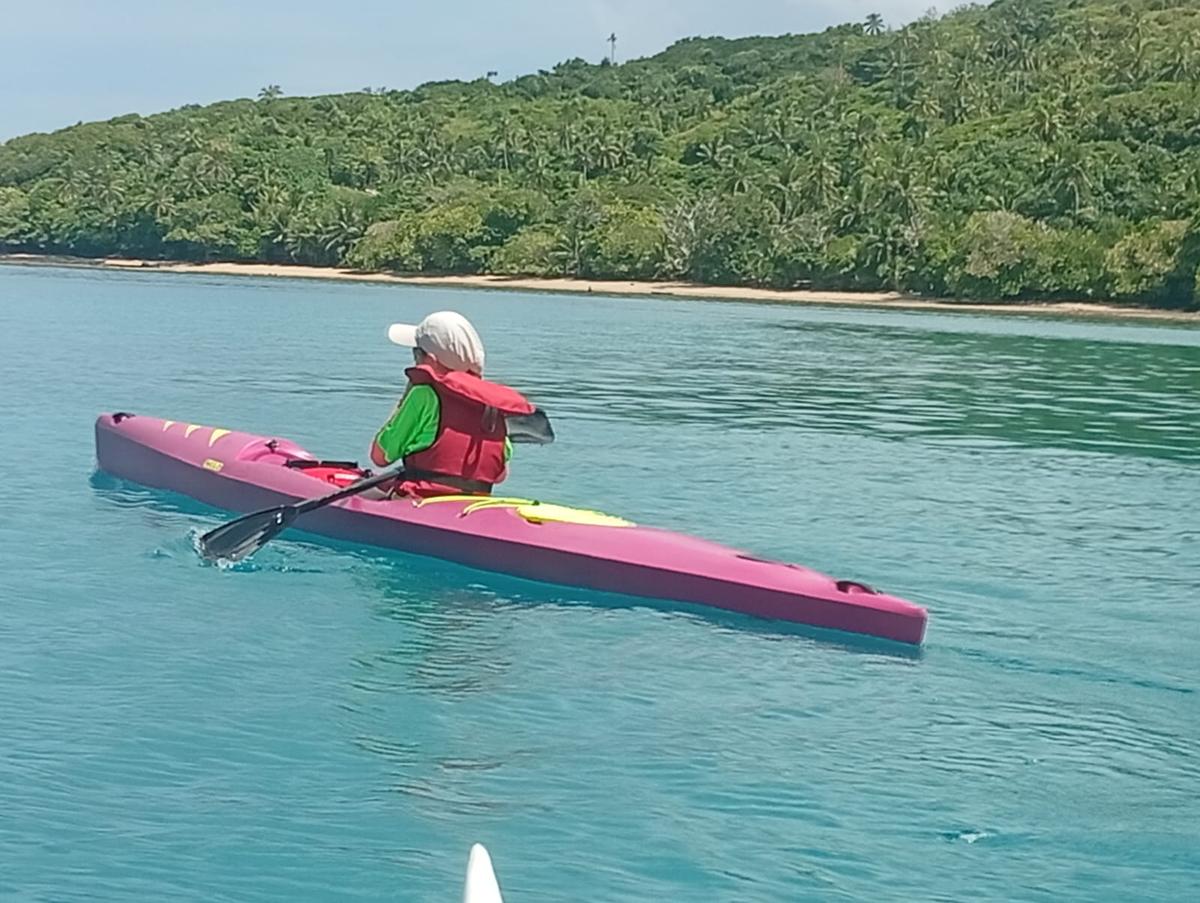
Editor's Choice
A Vaka Heke
Discover the stunning motu of Wallis from the water on a guided paddle adventure with A Vaka Heke. Choose your craft: surfski, kayak or paddleboard, and your pace, with tours ranging from one hour...
%20CREDIT%20WallisandFutunaPocketGuide.com.webp?v=2026-04-07T01%3A08%3A12.266Z)
Frequently Asked Questions About the Best Time to Visit Wallis and Futuna
Now that you know about the best time to visit Wallis and Futuna, here are the answers to the internet's frequently asked questions about when to travel to this beautiful Pacific destination!
When is the best time to visit Wallis and Futuna?
The best time to visit Wallis and Futuna is during the dry season from May to October, when you'll experience less rainfall, lower humidity and more comfortable temperatures ranging from 24°C to 27°C (75°F to 81°F).
The best months for visiting for a combination of kitesports, weather and cultural events are from July to September.
What is the weather like in Wallis and Futuna?
Wallis and Futuna enjoys a tropical oceanic climate with two distinct seasons. The drier season (May to October) features pleasant temperatures and minimal rainfall, whilst the wetter season (November to April) brings higher humidity, more frequent rainfall and temperatures reaching up to 30°C (86°F).
For more information, check out Wallis & Futuna Weather, Seasons & Climate + Weather by Month.
Is there a hurricane season in Wallis and Futuna?
Yes, the cyclone season in Wallis and Futuna typically runs from November to April, coinciding with the wet season. During this period, there's an increased risk of tropical cyclones, though direct hits are relatively rare.
For more information, check out Cyclone Safety in Wallis and Futuna.
Can you visit Wallis and Futuna year-round?
Yes, you can visit Wallis and Futuna year-round, as temperatures remain relatively stable throughout the year. However, the dry season offers the most comfortable conditions for outdoor activities and sightseeing, whilst the wet season may present challenges with increased rainfall and humidity.
What should I pack for different seasons in Wallis and Futuna?
During the dry season (May to October), pack light cotton clothing, sun protection and light rain gear for occasional showers. For the wet season (November to April), bring quick-dry fabrics and sturdy footwear for muddy conditions.
Year-round essentials include reef-safe sunscreen, insect repellent and comfortable walking shoes. For more information, check out What to Pack for Wallis and Futuna.
More About the Best Time to Visit Wallis and Futuna
That’s it for our guide to the best time to visit Wallis and Futuna but by no means the end of our advice! Check out the following guides for more tips when travelling Wallis and Futuna:
- Public Holidays in Wallis & Futuna (& Other Important Dates)
- Wallis & Futuna Travel Budget: How Much Does a Trip to Wallis & Futuna Cost?
- A Traveller's Guide to the Wallisian & Futunan Culture
Finally, for anything else you need to plan for your Wallis and Futuna getaway, The Complete Travel Guide to Wallis & Futuna has all of the answers!

-BI%20CREDIT%20WallisandFutunaPocketGuide.com-900x601.webp?v=2026-05-20T02%3A42%3A42.396Z)
-SEB%20CREDIT%20WallisandFutunaPocketGuide.com-900x601.webp?v=2026-04-07T00%3A26%3A06.322Z)