

-IC%26C%20CREDIT%20WallisandFutunaPocketGuide.com.webp?v=2026-04-20T18%3A13%3A06.370Z)
What is the Weather Like in Wallis and Futuna in January?
Thinking of visiting Wallis and Futuna in January? You’ll be arriving during the hot, rainy season, when the islands experience very high heat and humidity.
Despite the wet weather, the combination of lush greenery and warm inviting waters makes this a beautiful time to explore Wallis and Futuna, especially if you don’t mind sporadic tropical downpours.
Before diving into the full January weather guide, be sure to check out Wallis & Futuna Weather, Seasons & Climate + Wallis & Futuna Weather by Month, as well as The Best Time to Visit Wallis & Futuna: A Month-by-Month Guide for more advice.
This article is based on real on-the-ground research, not on AI scraping old content from the internet. Learn how we use AI!
Table of Contents
5 Tips for Visiting Wallis and Futuna in January
- Due to high UV levels in January, make sure to wear high-factor, reef-safe sunscreen, especially if you are spending extended time outdoors or in the water.
- Stay hydrated, plan outdoor activities for early morning or late afternoon, and take regular breaks in shaded or breezy areas to stay comfortable.
- January falls within the hot, wet season, with frequent rainfall, although showers are often followed by sunny spells. Lightweight, quick-dry clothing is more practical than rain jackets.
- The wetter conditions mean mosquitoes are more active, particularly in the evenings. Bring insect repellent and consider lightweight long sleeves at night, especially in coastal or inland village areas.
- New Year’s Day (1 January) is widely observed, with some services closed, and the month may coincide with school holidays and family gatherings, so it’s best to book flights and accommodation early.

Typical Temperatures in January
January is one of the warmest months in Wallis and Futuna, falling squarely within the hot, rainy season.
Temperatures Across Wallis and Futuna
Across both Wallis and Futuna, average daytime highs sit around 30°C (86°F), with nighttime temperatures hovering near 24°C (75°F). Annual temperature variation is minimal, so you can expect consistently warm, tropical conditions throughout the islands.
Sea Temperature in January
The ocean remains wonderfully warm in January, averaging around 29°C (84°F). These balmy waters make swimming, snorkelling and other marine activities especially enjoyable, provided you plan around occasional tropical showers and strong UV levels.

Hours of Sun in January
If you’re hoping to enjoy some sunshine in Wallis and Futuna in January, you can expect a mix of bright spells and tropical showers. The islands receive around 6 hours of sunshine per day on average, along with approximately 13 hours of daylight.
While January sits in the hot, rainy season and cloud cover is common, there are still plenty of opportunities to explore between passing showers.
UV Levels During January
UV levels in Wallis and Futuna are extreme in January, frequently reaching 11+ on the UV index around midday. Sun protection is essential. Wear reef-safe, high-SPF sunscreen, a hat, sunglasses, and protective clothing, especially if you’re spending time at the beach or out on the lagoon.
For advice on what sunscreen to wear, see The Best Sunscreens for Wallis & Futuna + Sun Protection Tips.
Sunrise and Sunset in January
January has daylight hours lasting about 13 hours a day in Wallis and Futuna.
- Sunrise: 5:21 am at the beginning of January and 5:37 am at the end of January
- Sunset: 6:16 pm at the beginning of January and 6:19 pm at the end of January.
-SE%20CREDIT%20WallisandFutunaPocketGuide.com-900x601.webp?v=2026-04-11T20%3A50%3A12.797Z)
LS Location
from NZ$145
Rainfall in January
January marks the heart of the hot, rainy season in Wallis and Futuna and is typically one of the wettest months of the year. On average, the islands receive around 319 mm (12.6 in) of rainfall during the month, with approximately 18 days experiencing some precipitation.
Despite the frequent rain, showers are often heavy but short-lived, followed by clearer skies or light cloud cover. This pattern means there are still plenty of opportunities to explore the lagoons, villages and coastal scenery between rain spells, just be prepared for sudden downpours typical of a tropical climate.
If you need a rainy day backup for a couple of hours, check out the ideas in the 5 Things to Do in Wallis & Futuna on a Rainy Day.
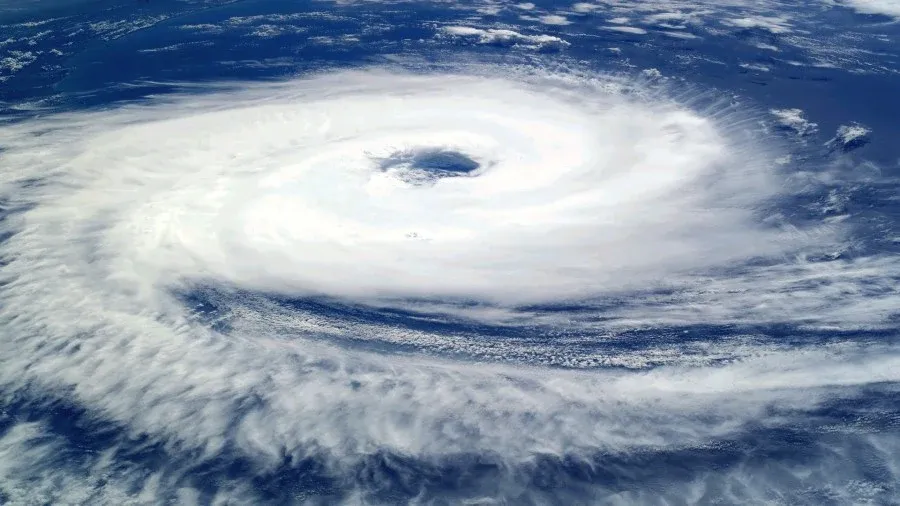
Tropical Storms in January
January falls within the South Pacific cyclone season, which runs from November to April, making it a month with an increased risk of tropical storms in Wallis and Futuna. While the chance of a direct cyclone hit is generally low to moderate, the islands can experience periods of strong winds, intense rainfall and rough seas when systems pass nearby.
Historically, Wallis and Futuna have been affected by tropical cyclones during the wet season, sometimes resulting in flooding, coastal damage and temporary disruptions to infrastructure and transport.
If you prefer to minimise cyclone risk, consider travelling during the cooler, drier season from May to October.
However, if you plan to visit in January, it’s wise to monitor local weather updates, follow official advice and familiarise yourself with cyclone safety procedures through your accommodation or local authorities.
For those planning to travel during January, be aware of what to do if there is a cyclone alert by following our guide, Cyclone Safety in Wallis & Futuna.
Editor's Choice
LS Location
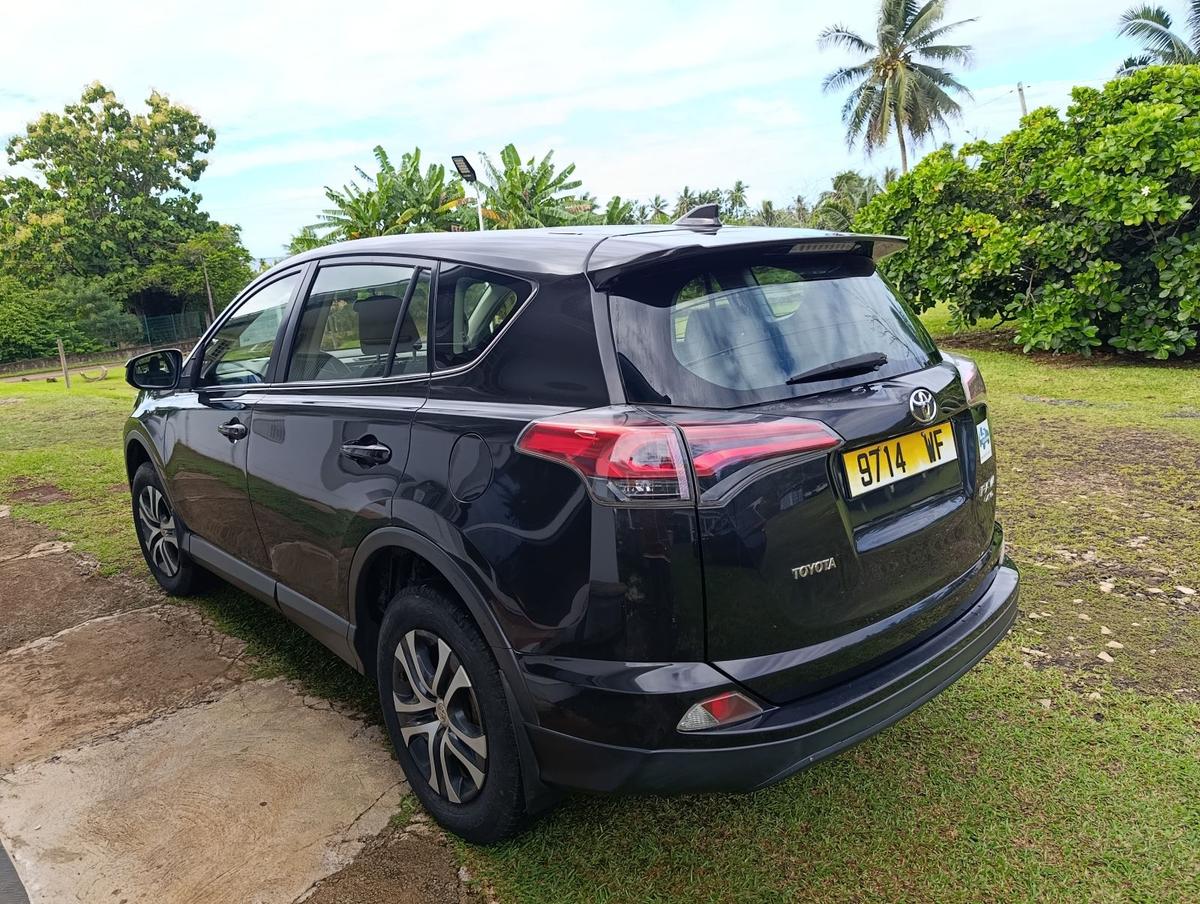
Explore Wallis at your own pace with our reliable fleet of Toyota SUVs. Choose between the manual RAV4 or automatic CHR to suit your driving style. We make island adventures easy with free airport...
%20CREDIT%20WallisandFutunaPocketGuide.com-900x601.webp?v=2026-04-07T01%3A09%3A43.330Z)
The Best Places to Visit in Wallis and Futuna in January
Wallis and Futuna remains one of the South Pacific’s most untouched destinations, so even in January you’re unlikely to encounter crowds. As the month falls within the local school holiday period, you may notice more community gatherings and family outings at beaches and villages, adding a lively local atmosphere.
On Wallis (Uvea), explore the capital of Mata'Utu, home to the Cathedral of Our Lady of the Assumption and the royal palace, before heading to the island’s striking volcanic crater lakes such as Lake Lalolalo and Lake Lanutavake, which appear especially lush during the rainy season.
The warm lagoon, averaging 29°C in January, is perfect for swimming, snorkelling and visiting the small offshore motu islets. History enthusiasts should also visit Talietumu (Kolo Nui), an ancient Tongan fort.
Over on Futuna, don’t miss the Saint Pierre Chanel Basilica in Poï, one of the territory’s most important religious landmarks. Adventurous travellers can hike Mt Puke for sweeping island views, though keep an eye on the weather and aim for a dry day.
-SEB%20CREDIT%20WallisandFutunaPocketGuide.com-900x601.webp?v=2026-04-19T19%3A19%3A11.868Z)

FugaUvea Rental & Accommodation
from NZ$84/night
January Packing List for Wallis and Futuna
Be prepared for Wallis and Futuna in January by packing these few seasonal essentials:
- High-factor reef-safe sunscreen
- Light bamboo, linen or merino layers (we like the sustainable bamboo clothing of Moso Morrow)
- Light long-sleeved tops (to cover from sun and mosquitoes)
- Light pants/trousers (to cover from sun and mosquitoes)
- Pants/skirt that covers the knee (if visiting churches)
- Sunhat
- Sunglasses
- Insect repellent
- Swimwear
- Rash vest (we like the UV-protecting Sharkskin rashies)
- Closed walking shoes
- Flip-flops/jandals/sandals
- Mask, snorkel (and fins if visiting Futuna)
Get more ideas on what to pack with our guide, What to Pack for Wallis & Futuna: Full Wallis & Futuna Packing List.
More About the Weather in Wallis and Futuna in January
That's it for our complete guide to the weather and climate in Wallis and Futuna in January. Check out the following articles for more weather advice:
- Wallis & Futuna Weather, Seasons & Climate + Wallis & Futuna Weather by Month
- The Best Time to Visit Wallis & Futuna: A Month-by-Month Guide
- Wallis & Futuna Weather in December
- Wallis & Futuna Weather in February
- Wallis & Futuna Weather in March
Finally, enjoy a comprehensive guide to planning a trip to Wallis & Futuna in The Complete Travel Guide to Wallis & Futuna.

-BI%20CREDIT%20WallisandFutunaPocketGuide.com-900x601.webp?v=2026-05-20T02%3A42%3A42.396Z)
-SEB%20CREDIT%20WallisandFutunaPocketGuide.com-900x601.webp?v=2026-04-07T00%3A26%3A06.322Z)