

-%20BNCC%20CREDIT%20WallisandFutunaPocketGuide.com.webp?v=2026-04-23T19%3A05%3A40.958Z)
A Guide to Drinking Tap Water in Wallis and Futuna
Wallis and Futuna has a varied water supply situation across its two main island groups. While Wallis generally enjoys safe tap water, the situation in Futuna is more complex.
So, can you drink the water in Wallis and Futuna?
As a rule of thumb, tap water is safe to drink in Wallis, but not in Futuna. It is possible to catch traveller's diarrhoea (a common waterborne form of E.coli) from drinking water that hasn't been fully treated.
But there's no need to panic; if you follow the simple tips in this guide, you'll be able to have a safe trip to Wallis and Futuna while staying hydrated!
For more information about staying healthy when travelling to the islands, check out our Wallis and Futuna Safety Tips and What Medication to Pack for Wallis and Futuna.
This article is based on real on-the-ground research, not on AI scraping old content from the internet. Learn how we use AI!
Table of Contents
4 Ways to Make Sure the Water is Safe to Drink in Wallis and Futuna
If you have any doubt about drinking water in Wallis and Futuna, follow these tips on making sure the water is safe to drink…
- Boil the water first – boiling water for 10 minutes or longer kills bacteria and is the best way to make sure water is safe to drink.
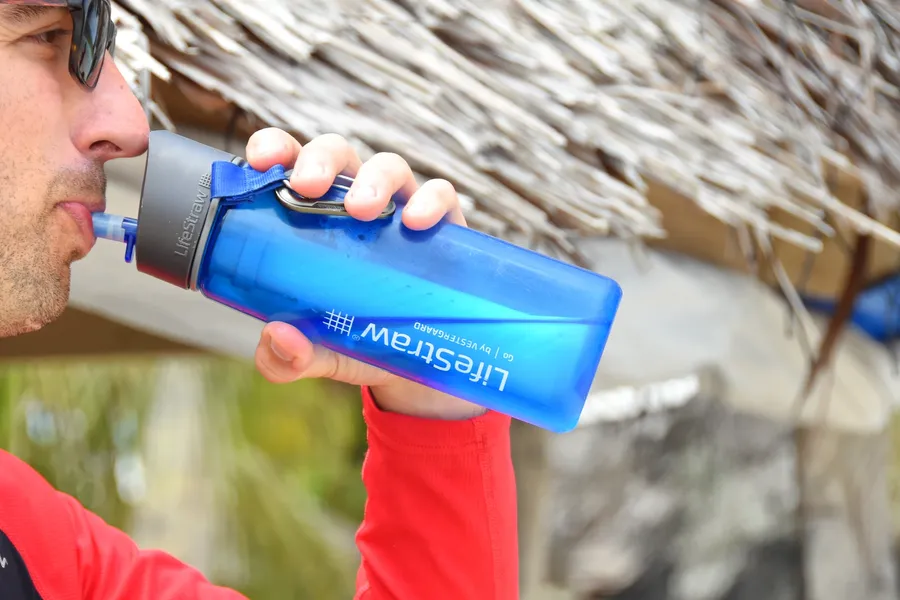
- Use a Lifestraw Bottle – it includes a filtration system that makes your water safe to drink while also avoiding the use of disposable water bottles.
- Use water purifying tablets – This method comes as little sachets or tablets and, when mixed into your water for a certain amount of time, will kill most bacteria and parasites present in it, making it safe to drink.
- Drink bottled water – Although not super for the environment, buying bottled water from a convenience store or a supermarket is a good way to stay safe.
We elaborate further on these points in the "The Best Ways to Make Sure Water is Safe to Drink" section below.
%20CREDIT%20WallisandFutunaPocketGuide.com-900x601.webp?v=2026-04-11T20%3A56%3A21.257Z)
Is it Easy to Access Safe Drinking Water in Wallis and Futuna?
Unlike other Pacific Islands, accessing safe drinking water, especially on Wallis, is incredibly easy.
Drinking Tap Water in Wallis and Futuna
While drinking tap water on Wallis is generally safe for visitors, with refilling water bottles at taps in your hotel room usually being fine, it's a different story on Futuna, where you should take precautions.
On Wallis, the municipal water supply meets safety standards and is typically safe for travellers, as explained in the "Is the Water Treated in Wallis and Futuna?" section below.
However, on Futuna, the water quality can be inconsistent and may contain bacterial strains that locals are accustomed to, but these can cause upset stomachs for visitors who aren't used to the local water.
Though unlikely to cause serious harm, we recommend sticking to bottled, filtered or boiled water on Futuna to avoid any digestive issues during your travels.
If you're planning to venture to Futuna, it's wise to be prepared with a filtration system, like a Lifestraw Water Bottle, or stock up on bottled water in Leava, Futuna's main hub, before venturing to more remote parts of Futuna or Alofi.
Bottled Water in Wallis and Futuna
As a French territory, where drinking bottled water is ingrained in the psyche, bottled water from various brands is readily available at local supermarkets and convenience stores throughout Wallis and Futuna. Learn more about where to find stores in A Guide to Supermarkets & Food Shopping in Wallis & Futuna.
Make sure to dispose of your plastic waste responsibly after use and reuse it whenever possible.
-SEB%20CREDIT%20WallisandFutunaPocketGuide.com-900x601.webp?v=2026-04-07T00%3A46%3A13.751Z)
Is the Water Treated in Wallis and Futuna?
The public water supply in Wallis and Futuna is managed and distributed by a centralised network by Electricité et Eau de Wallis et Futuna (EEWF).
Where Does Wallis and Futuna Get its Water Supply?
Wallis is one of the fortunate Pacific islands; it has natural freshwater. You'll find water comes from a combination of underground aquifers and surface sources like lakes, wetlands and catchments scattered across the island.
What's more, all these water sources are protected at multiple sites, which means Wallis can maintain a proper piped water supply where contamination is minimal.
Futuna takes a different approach, mixing stream water with rainwater collected in tanks. However, from what we've observed, these sources aren't as well-protected or treated as those on Wallis.
As for Alofi, it's a fascinating case study in Pacific island challenges. The lack of reliable freshwater means no one lives there permanently, though there's one precious freshwater source at Loka Cave that's become quite the pilgrimage destination, proving just how valuable fresh water can be in these remote islands.
How is Water in Wallis and Futuna Treated?
As mentioned, Wallis takes water quality seriously, and one smart approach they use is creating protection zones around where they extract water. Basically, this means certain activities are off-limits near these spots to keep contamination at bay.
Now, the water on Wallis does get treated, primarily through chlorination and disinfection. Admittedly, this isn't quite to the same high standards as more developed destinations like New Zealand or Europe. Therefore, if you have a sensitive stomach, you may want to treat the water yourself as an extra precaution.
On Futuna, the treatment process isn't as extensive. However, according to locals we chatted with, one of the island's kings is keen to make water treatment improvements a priority in the near future.
The Best Ways to Make Sure Water is Safe to Drink
As we’ve established, treating drinking water, especially in Futuna or as an added precaution in Wallis, is a good idea for travellers. We understand, however, that there are some challenges when it comes to making sure water is safe to drink, like having access to facilities to boil water or even the environmental implications of buying bottled water.
That's why we have prepared a few ways to purify water so you can put that in your knowledge bank for any tropical adventure!
Boil the Water
Bringing the water to a boil for 10 minutes is probably the best-known method of purifying water. It kills parasites, bacteria and even viruses and ensures that it is fully safe to drink. Plus, it is the cheapest water purifying method out there. Note that boiling water in a kettle won't effectively kill bacteria; water must be boiled for several minutes.
If you want to ensure you can use this method to treat water, check out accommodations with kitchen facilities in Where to Stay in Wallis and Futuna.
Use Water Purification Tablets
Use your own water bottle, drop a water purifying tablet and “voila!” This method has been trialled and tested for years and despite the fact that it gives a bit of a weird taste to the water, it is widely used by travellers around the globe.
If the taste is an issue for you, try a water-purifying solution. Although a bit more expensive, it offers better taste and water clarity than tablets. Price-wise, this is still going to save you tens of dollars compared to buying bottled water all trip long.
Buy a Water-Purifying Water Bottle
Turn this text into bullet point form for easy reading:
By far our favourite solution of them all, water-purifying bottles like the Lifestraw Bottle removes 99.9999% of waterborne bacteria and 99.9% of waterborne protozoan. That means that there is no boiling necessary and that you can fill up your water bottle from any tap in Wallis and Futuna and know that you have a filtration system with you.
While they are not the cheapest option, once the initial purchase is done, all you have to do is replace the filtration cartridge when it expires.
Although there are alternative brands to Lifestraw, this is just the one that the WallisandFutunaPocketGuide.com team use when travelling the Pacific, so we can recommend it with confidence. When looking for alternatives, make sure to search for “water-purifying” and not “water-filtration”, as filtration only improves the taste of the water.
For more handy things to pack for Wallis and Futuna, check out What to Pack for Wallis and Futuna: A Full Packing List.
Editor's Choice
LS Location
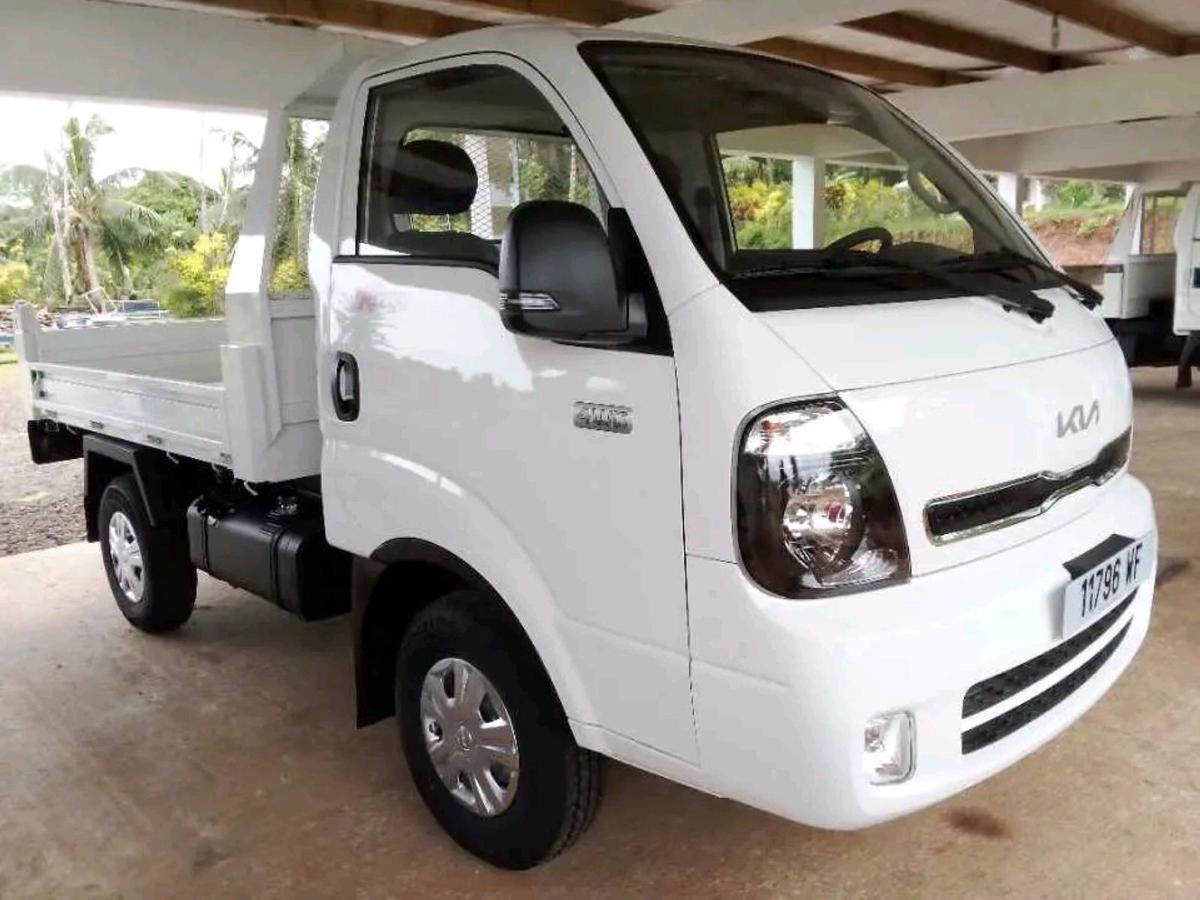
Need a rugged workhorse to explore Wallis? Our KIA 2700 Benne and KIA K3000 Plateau trucks are built for the island's toughest terrain. Perfect for adventurers tackling backcountry roads, these...
More About Health and Safety for Visiting Wallis and Futuna
That's it for our guide to drinking tap water in Wallis and Futuna, but by no means the end of our Wallis and Futuna advice. Check out more health and safety tips in the following articles:
- The Best Sunscreens for Wallis and Futuna + Sun Protection Tips
- 10 Best Insect Repellents for Wallis and Futuna + How to Treat & Avoid Bites
- Wallis and Futuna Safety Tips: Is it Safe to Travel to Wallis and Futuna?
Finally, get more essential advice from The Complete Travel Guide to Wallis and Futuna or the 20 Tips for Travelling in Wallis and Futuna.

-BI%20CREDIT%20WallisandFutunaPocketGuide.com-900x601.webp?v=2026-05-20T02%3A42%3A42.396Z)
-SEB%20CREDIT%20WallisandFutunaPocketGuide.com-900x601.webp?v=2026-04-07T00%3A26%3A06.322Z)