

-%20BNCC%20CREDIT%20WallisandFutunaPocketGuide.com.webp?v=2026-04-11T21%3A12%3A27.016Z)
The Complete Guide to Health and Safety in Wallis and Futuna for Travellers
Wallis and Futuna is a peaceful destination, known for its stunning landscapes, vibrant culture and low crime rates. For most travellers, a visit to the islands is safe.
However, like any tropical destination, there are a few health and safety considerations to keep in mind. From mosquito-borne illnesses to strong coastal currents and food or water precautions, being prepared will help ensure your trip is smooth and worry-free.
This guide covers everything you need to know to stay healthy and safe while exploring Wallis and Futuna.
This article is based on real on-the-ground research, not on AI scraping old content from the internet. Learn how we use AI!
Table of Contents
10 Health Tips for Wallis and Futuna
Before we go into our in-depth health and safety tips for Wallis and Futuna, here are a few quick tips to keep in mind while travelling:
- If you are feeling ill, be proactive and see a doctor in Wallis and Futuna (it's free). They are more likely to know the local illnesses than your doctor back home.
- Go heavy on the sun protection.
- Be serious about avoiding mosquito bites.
- Make sure your travel vaccinations are up-to-date. See a doctor 4-6 weeks before travel at the latest.
- Know what water is safe to drink, especially on Futuna.
- Focus on hand hygiene and wash your hands regularly.
- Pack a first aid kit specifically for Wallis and Futuna.
- If you get cut, act quickly to clean the wound, disinfect and place an adequate band-aid.
- If you have pre-existing conditions, such as asthma or diabetes, see your doctor a few weeks before your trip and ask them to make a note of your medication and condition.
- Know the emergency numbers in Wallis and Futuna: 15 for an ambulance, 17 for the police, 18 for fire and 112 for all three.
Now, let's get onto our health and safety advice for Wallis and Futuna.
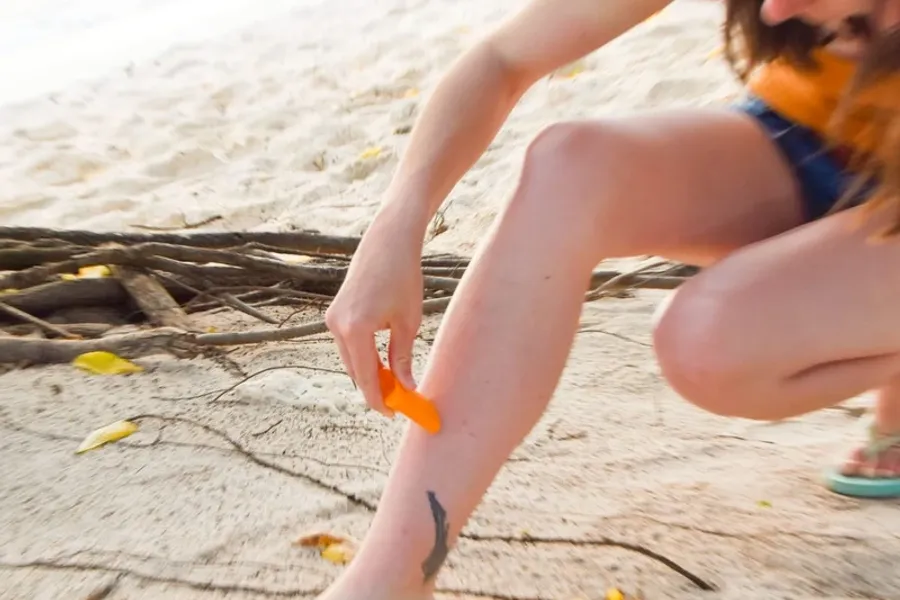
Health Tips for Wallis and Futuna
Wallis and Futuna presents a few environmental hazards but very few diseases. Like travelling anywhere in the world, it's smart to have your travel vaccinations up-to-date and to prepare a first aid kit for injuries or minor health issues that might occur.
See our advice in What Medication to Pack in Your First Aid Kit for Wallis & Futuna and Do You Need Vaccines to Travel to Wallis & Futuna?
Medical Issues That Can Occur in Wallis and Futuna
The most common medical issues that can occur in Wallis and Futuna are sunburn, heatstroke, mosquito bites and coral cuts. These are very easy to keep in check with simple precautions.
Other medical issues may occur when it comes to drinking water and food, which we cover in our "Food and Water Hygiene" section.
Heat Stroke
Overexposure to the sun and high humidity can lead to heatstroke. Symptoms include exhaustion, confusion, headache and vomiting. To avoid, wear high-factor sunscreen, reapply every three hours or straight after swimming, and drink plenty of water. If symptoms occur, move out of the sun immediately and try to cool the victim down by wrapping a wet towel around them. See a doctor as soon as possible.
For more sun protection tips, check out The Best Sunscreens for Wallis and Futuna + Sun Protection Tips.
Mosquito Bites
Mosquitos can leave a nasty itchy bite, which is enough to ruin an evening under the stars. What's more, day-biting mosquitoes transmit dengue fever (see below) and, more rarely, chikungunya and Zika.
Check out 10 Best Insect Repellents for Wallis & Futuna + How to Treat & Avoid Bites for ways to avoid bites.
Ciguatera
Ciguatera is fish poisoning caused by eating reef fish that have eaten particular types of toxic algae. Symptoms occur within 24 hours of eating contaminated reef fish and include vomiting, diarrhoea and numbness in the fingers.
The best way to prevent it is to avoid eating reef fish altogether; eating deep-sea fish, like tuna, wahoo and mahimahi, is fine.
Coral Cuts
Cuts from live coral can leave prolonged infections, so if you are injured by live coral, get out of the water immediately and cleanse the wound. Take out all of the bits of coral, apply antiseptic cream, and cover with a dressing.
You should have all this stuff in your Wallis & Futuna First Aid Kit!
Diving Decompression
Scuba diving is a popular activity in Wallis and Futuna, offering incredible coral reefs, abundant marine life, and warm tropical waters. However, neglecting proper depth limits and ascent times can lead to decompression illness, also known as "the bends."
Wallis and Futuna does not have local hyperbaric chambers. In the event of serious decompression sickness, travellers may need to be evacuated to nearby facilities in New Caledonia, Fiji or other regional hubs equipped with hyperbaric treatment.
Because of this, it’s especially important to dive responsibly, follow dive tables or computer guidelines, plan conservative ascents, and ensure you have appropriate dive insurance that covers emergency evacuation.
For all the reasons listed above, some dive operators require guests to have travel insurance and an up-to-day medical certificate. Check out The Best Dive Shops & Operators in Wallis & Futuna to learn more.
Infectious Diseases
Dengue Fever
Dengue fever is a mosquito-transmitted disease that has regular outbreaks in Wallis and Futuna. It is only the day-biting mosquitoes (black and white striped) that cause the infection, so take a precaution by preventing mosquito bites. Take your own mosquito repellent because the options are typically limited to chemical-rich aerosol sprays.
See the How to Treat & Avoid Mosquito Bites for tips.
Chikungunya
Chikungunya is a mosquito-borne viral disease, similar to dengue fever, and is spread by day-biting mosquitoes. While Wallis and Futuna has not experienced large-scale outbreaks in recent years, the risk still exists in tropical regions.
There is no vaccine or specific treatment for chikungunya, so prevention is key. Travellers should take sensible mosquito-avoidance measures, such as using insect repellent, wearing long sleeves and pants, and staying in accommodations with screens or mosquito nets.
E. coli (Traveller's Diarrhoea)
E. coli is a bacterium resulting from food and water that is contaminated with faecal matter, for instance.
Precautions to take include boiling water for at least 10 minutes if the water is not from a safe source and washing hands regularly. See Is the Water Safe to Drink in Wallis & Futuna? for more tips.
Symptoms include fever, drowsiness and diarrhoea. If symptoms occur, hydrate by taking small sips of fluids continuously, alternating between electrolytes and water. If you don't have an electrolyte solution, drink Coca-Cola or salty broth.
In most cases, you will need to wait out the symptoms, as antibiotics rarely treat E. coli effectively.
COVID-19
The COVID-19 virus has been present in Wallis and Futuna. Symptoms are flu-like, including fever, cough, tiredness and loss of taste or smell.
It is recommended that you are fully vaccinated before travelling to Wallis and Futuna. See Do You Need Vaccines to Travel to Wallis & Futuna? for more details.
Typhoid Fever, Meningitis, Measles and Hepatitis A
Although rare, cases of typhoid fever, meningitis, measles and hepatitis A have been reported in Wallis and Futuna in the past.
The World Health Organisation (WHO) recommends that all travellers be up to date with routine vaccinations and consider travel-specific immunisations. These include diphtheria, tetanus, measles, mumps, rubella, and polio, regardless of your destination, to help ensure a safe and healthy trip.
Find out more in Do You Need Vaccines to Travel to Wallis & Futuna?
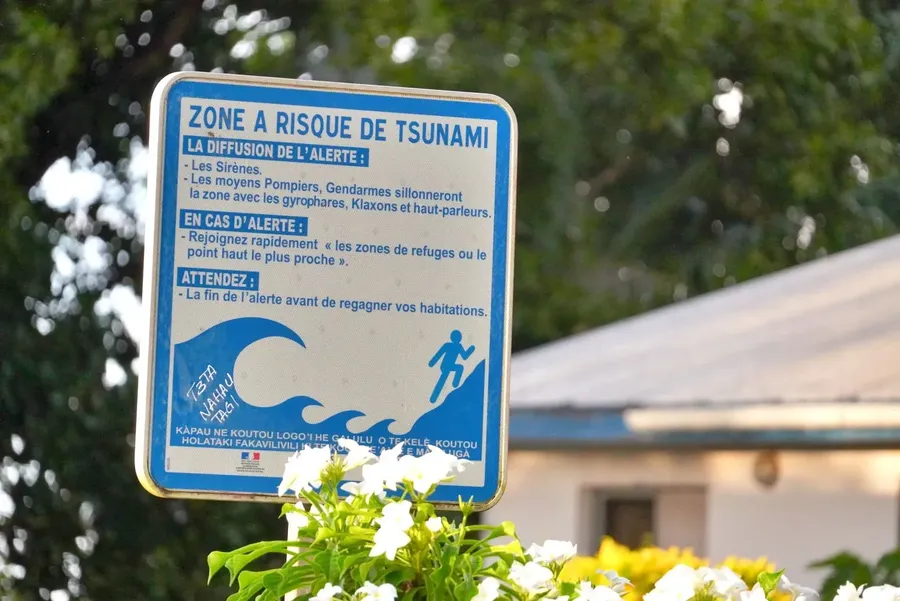
Natural Disasters in Wallis and Futuna
Although Wallis and Futuna is usually blessed with buckets of sunshine, its location in the South Pacific means that it is at risk of extreme weather events and natural disasters.
Cyclones
The South Pacific cyclone season runs from November to April. On average, the territory may experience a significant cyclone once every few years.
Local authorities are well prepared for cyclones, but travellers should familiarise themselves with safety precautions and evacuation procedures, so check out Cyclones in Wallis and Futuna: A Guide to Cyclone Safety for advice on safety precautions.
Tsunamis
Situated near major seismic zones, Wallis and Futuna has experienced rare but potentially serious tsunamis.
Anyone visiting Wallis and Futuna should know how to identify the signs of a tsunami and know what to do in the case of one before visiting; The Guide to Earthquakes & Tsunamis in Wallis & Futuna will give you some pointers.
Volcanic Eruptions
Wallis and Futuna sits on geologically active ground, with both Wallis and Futuna islands having volcanic origins. While there are no recent confirmed eruptions on the islands themselves, underwater volcanic activity has occurred in the surrounding region.
Travellers should be aware of local advisories and monitoring updates issued by regional geological services.
Being prepared and informed can help you enjoy your trip safely while exploring the natural beauty of Wallis and Futuna.
LS Location
from NZ$235
Dangerous Animals in Wallis and Futuna
Wallis and Futuna do not have poisonous land snakes or dangerous spiders, but there are still a few animals and marine creatures that travellers should be aware of:
- Aedes aegypti - The day-biting mosquito that can transmit dengue fever.
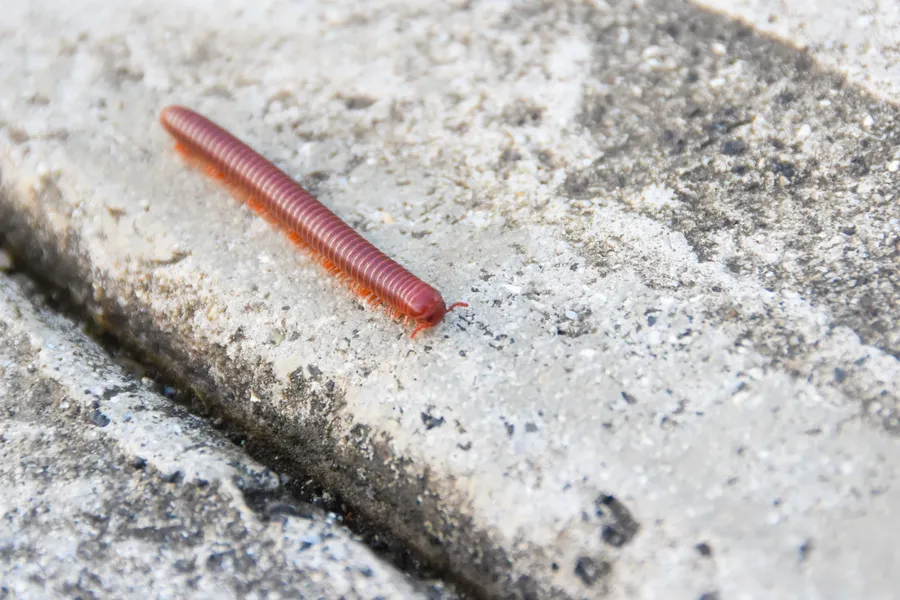
- Centipede - Will leave a painful bite if provoked.
- Dogs - More of a nuisance risk.
- Crown-of-thorns starfish - Has venomous spikes.
- Stonefish - A rare but camouflaged fish that have venomous spines.
- Scorpionfish - Camouflaged and venomous, often stepped on or touched.
- Fire coral - Has bright yellow branches and leaves a nasty sting or rash.
- Lionfish - Fish that leaves a painful sting.
- Cone snails - Small, pretty shells but highly venomous harpoons.
- Man o' war jellyfish - Rarely seen but they can get carried over reefs after storms.
- Box jellyfish (and Irukandji-type jellyfish) - Not always confirmed every year, but present in parts of the tropical Pacific.
- Sea snakes/kraits - Generally shy, but highly venomous if provoked.
- Sharks - More of a “perceived danger” than an actual one.
Food and Water Hygiene
Food and water in Wallis and Futuna are generally safe and readily available. But on Futuna, you shouldn't drink from any old tap. Basic travel-health rules are worth keeping in mind. We go over a few food and water hygiene tips for Wallis and Futuna here.
Know What Water is Safe to Drink
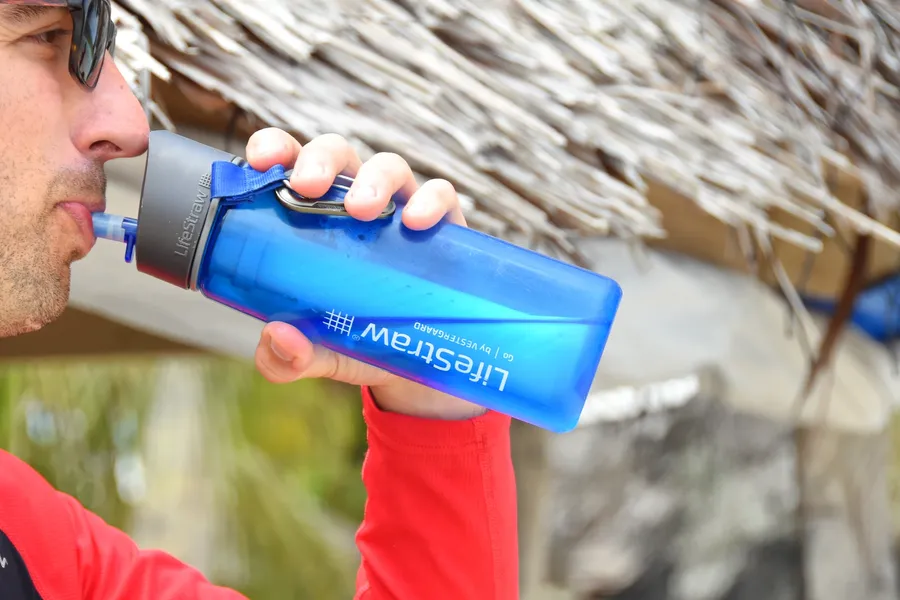
Tap water is safe to drink in Wallis, especially in hotels and homestays. However, Futuna does not experience the same privilege. If travelling to Futuna, it's best to bring your own water purification solution, like a Lifestraw Bottle. Otherwise, bottled water is readily available to buy throughout Wallis and Futuna.
See Is the Water Safe to Drink in Wallis and Futuna? for much more of a deep dive into the subject.
Focus on Hygiene
Travelling to a different country can be an enriching cultural experience, but you will need to accept a small portion of risk with conditions being different from home, including exposure to foreign viruses and bacteria.
First, focus on hygiene by washing your hands regularly or using a hand sanitiser, especially before eating food.
In the unlikely case that you do start feeling ill, act quickly by seeking medical attention. If you let the situation worsen, it may be very strenuous to wait to see a doctor.
Be Aware of Food Safety
Eating in restaurants or at hotels is usually very safe in Wallis and Futuna. However, if you're in an area that may have unsafe water, avoid eating salads or uncooked food that might have been washed with contaminated water. Preferably, eat food that has been cooked in front of you. Vegetarian food is usually the safest option.
To avoid gastro bugs, use hand disinfectant and only eat cooked food. If you get diarrhoea, drink water regularly and alternate between electrolytes and water. If other symptoms occur, see a doctor.
Finally, avoid salmonella by not eating runny eggs or undercooked meat. If you have blood in your stool, see a doctor immediately.
Travellers with gluten intolerance can get advice from The Gluten-Free Guide to Wallis & Futuna.
Editor's Choice
LS Location
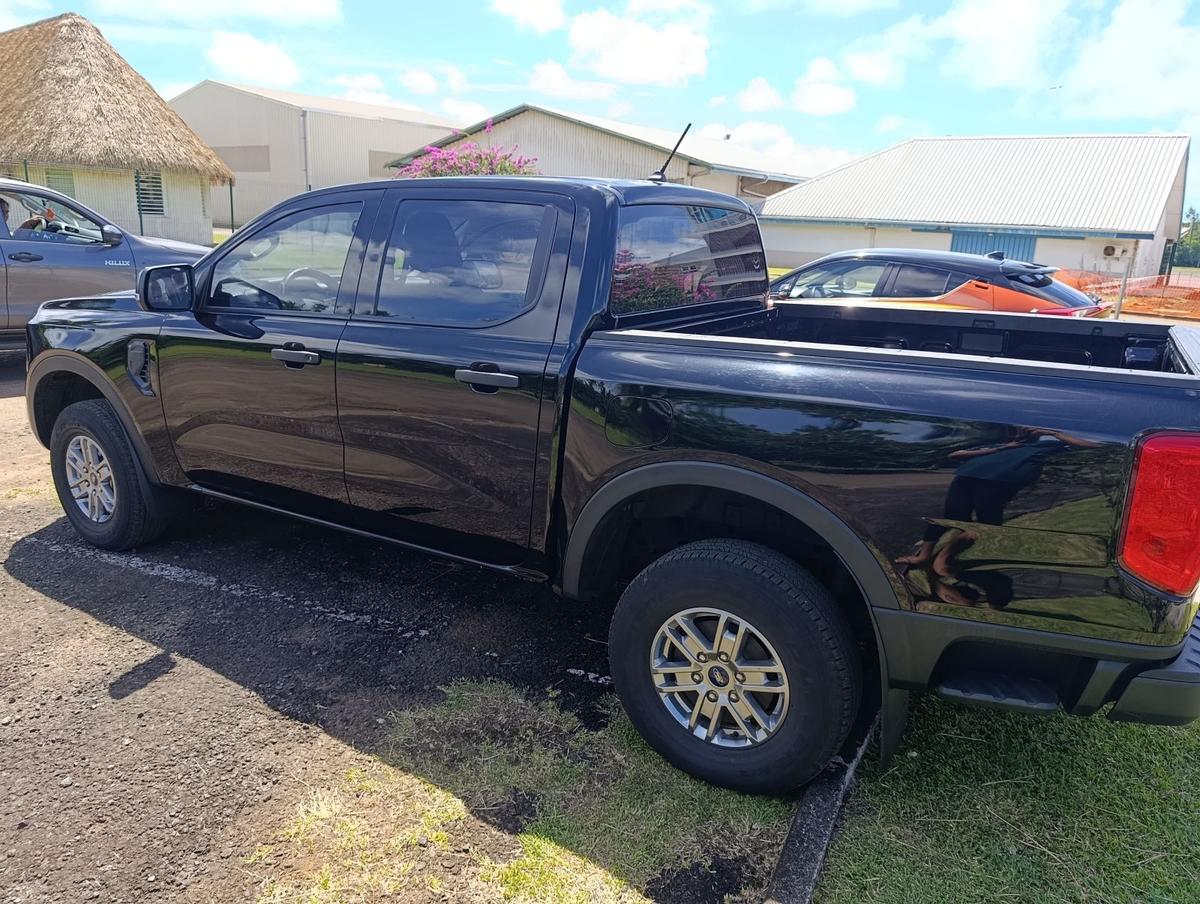
Explore Wallis at your own pace with our robust pick-up trucks, perfect for navigating the island's diverse terrain. We offer well-maintained Toyota Hilux and Ford Ranger vehicles, ideal for both...
-SEB%20CREDIT%20WallisandFutunaPocketGuide.com-900x601.webp?v=2026-04-07T00%3A32%3A37.297Z)
Hospitals, Medical Centres and Pharmacies in Wallis and Futuna
If you experience health issues or injuries while in Wallis and Futuna, there are hospitals, some of which also function as general medical centres, as well as community health clinics and hospital pharmacies.
Basic over-the-counter medical supplies can also be found at Wallis' larger supermarkets, like Interwallis and SEM. If you're travelling to Futuna, we recommend taking any light medication you may need with you, as listed in What Medication to Pack in Your First Aid Kit for Wallis & Futuna.
In case of an emergency, dial 15 to reach medical services.
Pharmacies in Wallis and Futuna
Pharmacies are located at Wallis and Futuna's medical centres and hospitals, providing medication to those with a prescription. They are open from 7 am to 12 pm and 2 pm to 5 pm, Monday to Friday.
- Agence de Santé de Wallis et Futuna - Wallis Pharmacie, BP 4G Hôpital de Sia, RT 1, Mata'Utu, Hahake
- Agence de Santé de Wallis et Futuna - Futuna Pharmacy, RT1, Hôpital de Kaleveleve, Taoa, Alo, Futuna
- Centre de Soins de Proximité - Hahake, RT1, Matā'Utu, Hahake, Wallis
- Centre de Soins de Proximité - Mua, Intersection of RT 22 and RT 65, Mala'efo'ou, Mua, Wallis
- Centre de Soins de Proximité - Hihifo, RT1, Vaitoomuli / Mala'e, Hihifo, Wallis.
Note: There are no dedicated standalone commercial pharmacies in Wallis and Futuna. Most prescription medicines and over‑the‑counter drugs are accessed through hospital pharmacies or dispensaries associated with the Agence de Santé des îles de Wallis et Futuna.
Medical Centres and Hospitals in Wallis and Futuna
Although the main hospitals are open 24/7 for emergencies, doctor consultations at clinics (hospitals or dispensaries) are from 7 am to 12 pm and 2 pm to 5 pm, Monday to Friday.
- Hôpital de Sia, RT 1, Mata’Utu, Hahake, Wallis
- Hôpital de Kaleveleve, RT1, Taoa, Alo, Futuna (signposted along the main road)
- Centre de Soins de Proximité - Hahake, RT1, Matā'Utu, Hahake, Wallis
- Centre de Soins de Proximité - Mua, Intersection of RT 22 and RT 65, Mala'efo'ou, Mua, Wallis
- Centre de Soins de Proximité - Hihifo, RT1, Vaitoomuli / Mala'e, Hihifo, Wallis.
Plus, for more essential services around the islands, take a look at Information, Shops & Services in Wallis and Information, Shops & Services in Futuna.
-SEB%20CREDIT%20WallisandFutunaPocketGuide.com-900x601.webp?v=2026-04-14T20%3A02%3A50.133Z)
Lausikula Guest House
from NZ$205/night
Crimes Against Tourists in Wallis and Futuna
With 20 permanent staff of gendarmeries in Wallis and half a dozen in Futuna PLUS the Police, needless to say, you're in safe hands!
Wallis and Futuna is generally very safe for travellers, and tourist-targeted scams are extremely rare. However, petty crime such as theft can occasionally occur, particularly if valuables are left unattended or in plain sight.
Theft in Wallis and Futuna
Areas such as beaches and other public spaces may pose a slightly higher risk for theft of unattended items.
Theft from vehicles is uncommon, but leaving valuables visible can attract opportunistic theft. It’s best to take common-sense precautions: keep valuables out of sight or carry them with you whenever possible.
Violence in Wallis and Futuna
Violent crime is extremely rare, and most incidents involve disputes between locals rather than tourists. Visitors should still take normal safety precautions, such as avoiding poorly lit streets at night, not hitchhiking alone, and exercising caution when visiting bars or nightlife venues.
Overall, Wallis and Futuna is a safe destination, but staying aware and using common sense will help ensure a worry-free trip.
Wallis and Futuna Police and Emergency Services
Emergency numbers: 17 (Police), 15 (Medical) and 18 (Fire)
112 is the general emergency number.
There are police stations and gendarmerie offices in the following locations:
- Commissariat de Police - Mata'Utu, RT1, Mata'Utu, Hahake, Wallis
- Gendarmerie Nationale - RT1, Mata'Utu, Hahake, Wallis
- Poste de Police - Hihifo, RT1, Mala'e, Hihifo, Wallis
- Poste de Police - Mua, RT1, Mala'efo'ou, Mua, Wallis
- Poste de Police - Futuna, RT 1, Taoa, Alo, Futuna
-SEB%20Passage%20CREDIT%20WallisandFutunaPocketGuide.com-900x601.webp?v=2026-04-14T20%3A16%3A41.368Z)
Water Safety in Wallis and Futuna
Water activities are a major highlight of Wallis and Futuna, but it’s important to take precautions when swimming, snorkelling, or exploring the reefs.
Not all beaches are safe for swimming, so always check local advice before heading out.
Snorkelling in Wallis is safe in most situations due to the protective barrier reef. However, it's a different story in Futuna. Snorkelling is safest at incoming high tide, as the reef quickly drops into the Pacific Ocean close to shore, making the currents strong and "sportif" as the locals describe, when it comes to swimming and snorkelling. Ideally, you should swim with fins in Futuna, which are not available to rent other than when scuba diving, so you should bring your own.
Swimmers should pay special attention to currents and tidal changes, particularly around reef passages. From the shore, these passages can often be identified as darker stretches of deeper water extending toward the reef.
Always swim with a buddy and consult local guides or residents on current conditions to ensure a safe and enjoyable experience in the waters of Wallis and Futuna.
Road Safety in Wallis and Futuna
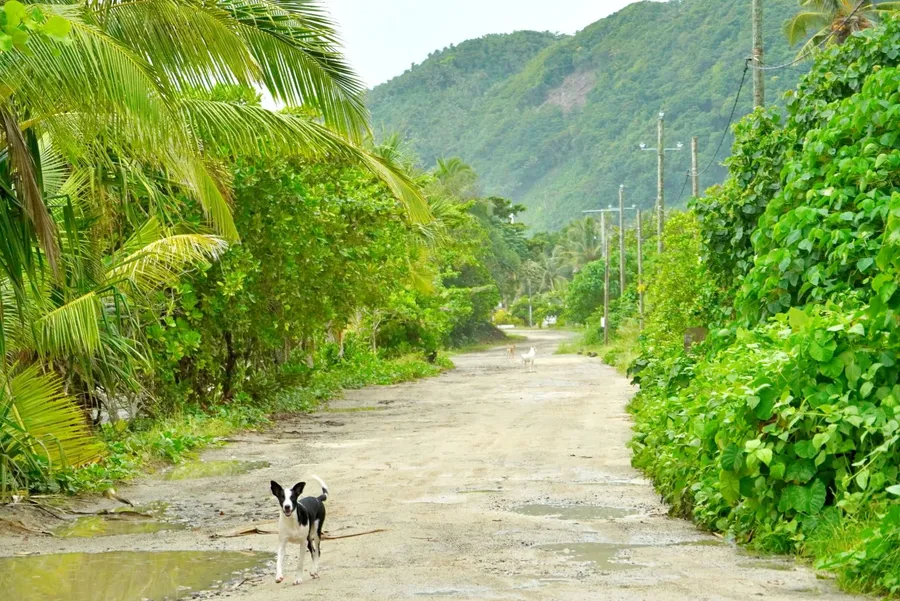
Roads in Wallis and Futuna are generally safe, but drivers should remain cautious. While speed limits are low and road rules are in place, some locals do speed and the pot holes can make this activity especially dangerous, and accidents do occasionally occur.
Here are some essential road safety tips:
- Drive carefully and adhere to posted speed limits
- Watch out for children, pedestrians and animals on the road
- Always wear a helmet when riding a scooter or motorcycle
- Take extra care on unsealed roads, which may be uneven or slippery
- Watch out for potholes and avoid driving over them too quickly
- Avoid parking under coconut trees to prevent falling debris
- Wear your seatbelt at all times, even if locals do not.
We have elaboration on these safety tips in our guide, How to Drive in Wallis & Futuna + 10 Road Rules You Need to Know.

Where to Stay
Lausikula Guest House
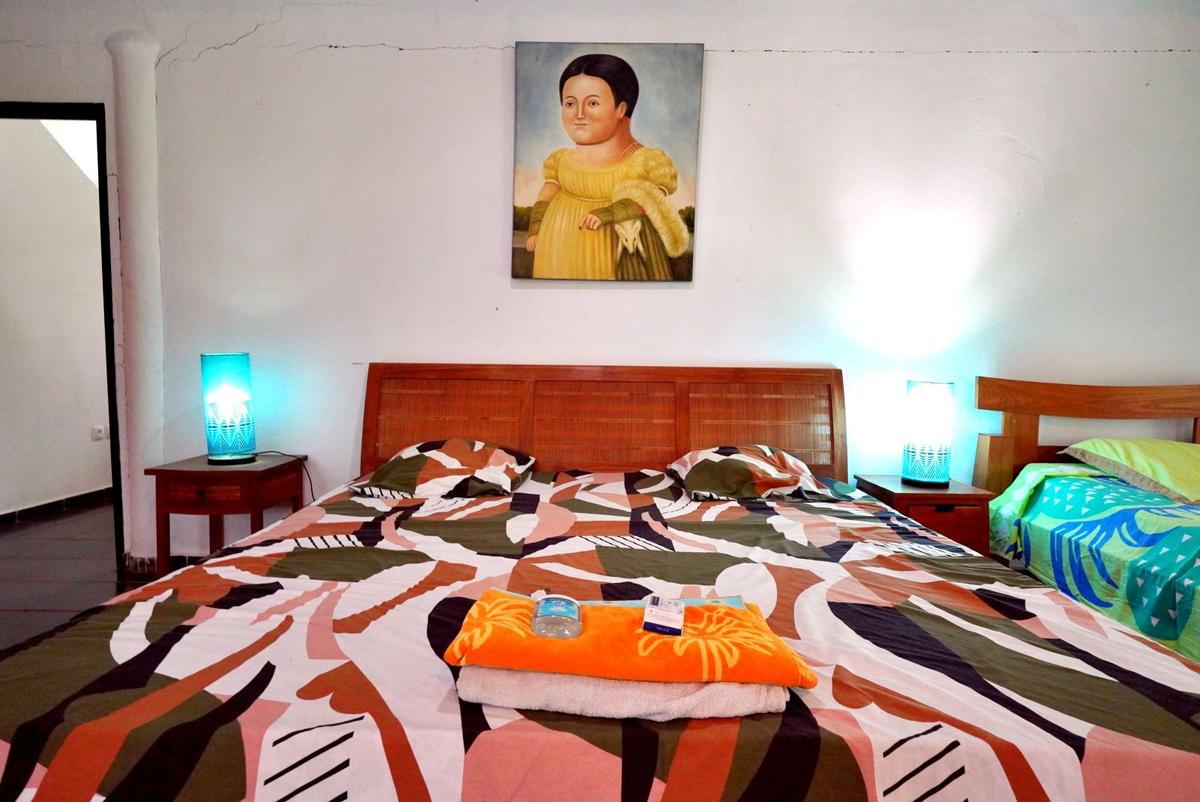
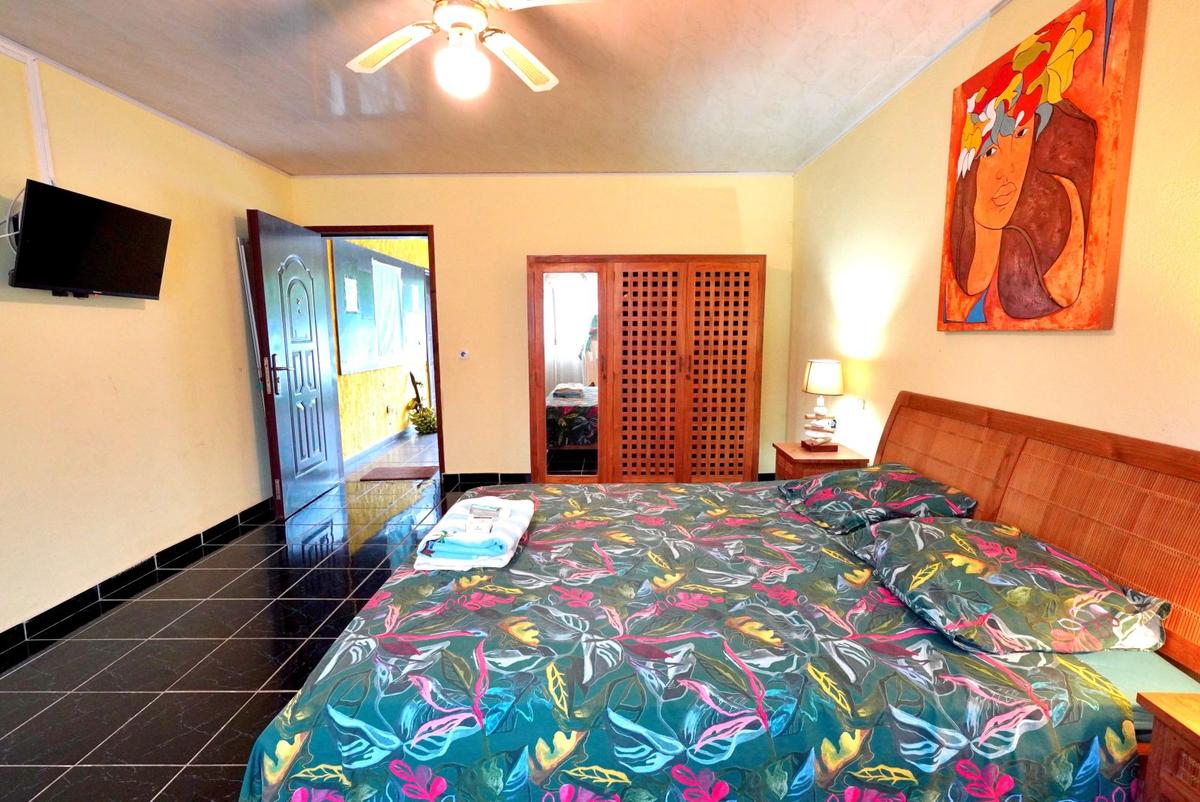
Room 4 (Family Room) · Room 2 (Large Double) · Room 1 (Premium)
NZ$205/night
%20CREDIT%20TongaPocketGuide.com-900x600.webp?v=2026-06-25T23%3A01%3A43.382Z)
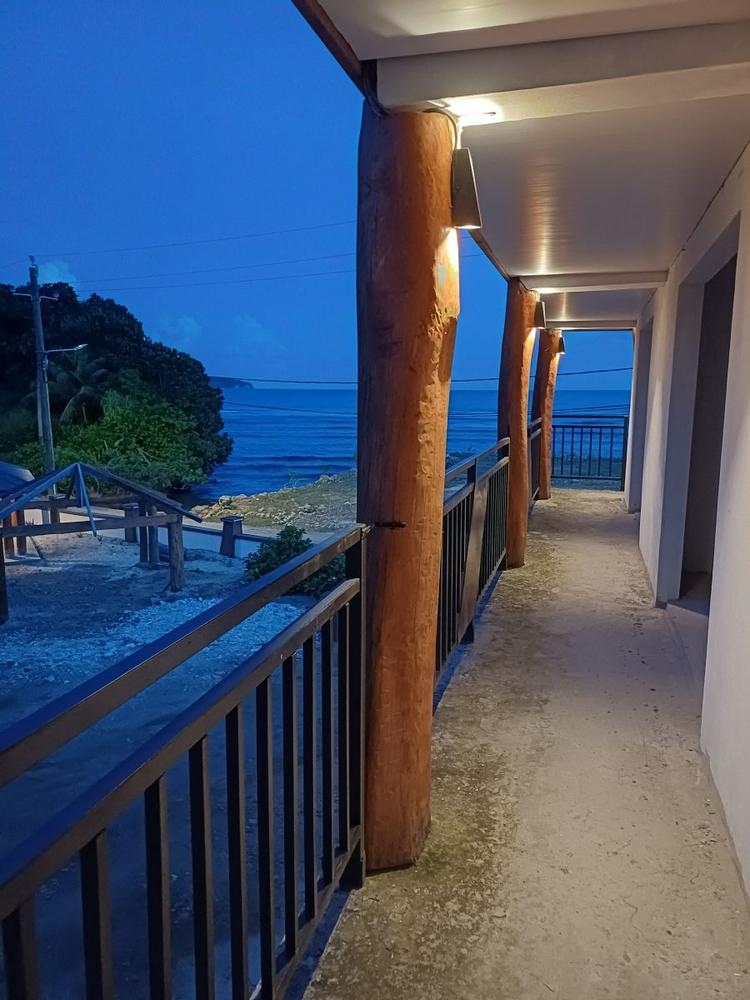
Akuila Hotel
from NZ$170/night
Medical and Travel Insurance for Wallis and Futuna
If your regular health insurance does not cover international travel, it’s highly recommended to purchase travel insurance. A good policy for Wallis and Futuna should include coverage for theft, illness and injury.
If you plan to participate in activities such as snorkelling, scuba diving or surfing, consider adding coverage for evacuation and adventure sports, as medical facilities in the territory are limited and serious emergencies may require transfer to regional hospitals.
Travel Protection Membership
The most comprehensive travel protection we've found is Global Rescue, which not only acts as a personal assistant for your health and safety, handling everything from expediting replacement of a lost passport to medical guidance, but even manages rescue and medical evacuation, should the worst occur.
Check out our Exclusive Deal with Global Rescue to gain one of the world's most comprehensive travel protection memberships.
More About Health and Safety in Wallis and Futuna
That's it for our complete guide to health and safety in Wallis and Futuna. Wallis and Futuna safety tips, check out the following guides:
- The Best Reef-Safe Sunscreens for Wallis & Futuna
- 15 Tips for Your Family Wallis & Futuna Vacation with Kids
- 30 Ways to Travel More Sustainably in Wallis & Futuna
Finally, get all the travel tips you need for Wallis & Futuna from The Complete Travel Guide to Wallis & Futuna and the 20 Tips for Travelling in Wallis & Futuna.

-BI%20CREDIT%20WallisandFutunaPocketGuide.com-900x601.webp?v=2026-05-20T02%3A42%3A42.396Z)
-SEB%20CREDIT%20WallisandFutunaPocketGuide.com-900x601.webp?v=2026-04-07T00%3A26%3A06.322Z)