

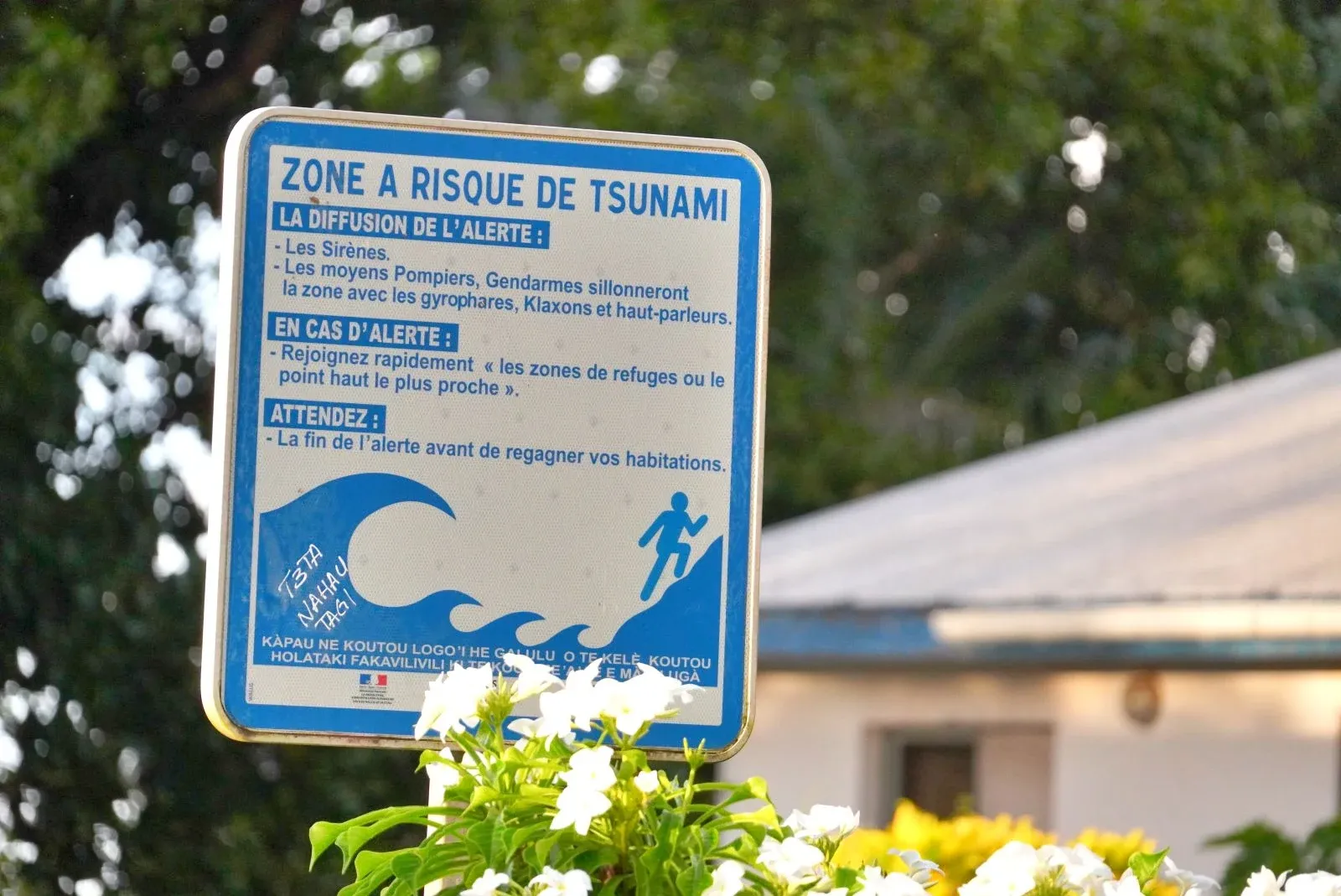
A Traveller’s Guide to Earthquakes and Tsunamis in Wallis and Futuna
Wallis and Futuna, located in the South Pacific, is exposed to natural hazards such as earthquakes, tsunamis and tropical cyclones. While major events are rare, the islands’ volcanic and seismic activity means travellers should stay informed and prepared.
Visiting Wallis and Futuna is generally safe, with local authorities providing disaster response plans, evacuation routes and community preparedness programmes. This guide offers essential tips for staying safe during earthquakes or tsunamis while exploring the islands.
For advice on weather-related risks, see our guide: Cyclone Safety in Wallis & Futuna. You can also check out Is It Safe to Travel to Wallis & Futuna? for more general safety tips.
This article is based on real on-the-ground research, not on AI scraping old content from the internet. Learn how we use AI!
Table of Contents
5 Facts About Earthquakes, Tsunamis and Volcanic Activity in Wallis and Futuna
Wallis and Futuna is located in a tectonically active part of the South Pacific, influenced by the interaction of the Pacific and Australian plates.
- The territory lies within a seismically active region of the southwest Pacific, meaning earthquakes can occur, most often offshore.
- Offshore earthquakes pose a greater tsunami risk than direct ground shaking on the islands themselves.
- While Wallis and Futuna has not experienced a major recent tsunami disaster, the wider Pacific region has seen significant events, highlighting the importance of preparedness.
- The islands are of volcanic origin, formed by ancient volcanic activity. For example, Lake Lalolalo sits inside the crater of a former (extinct) volcano.
- Although there are no currently active volcanoes on the islands, seismic monitoring continues due to regional tectonic activity.
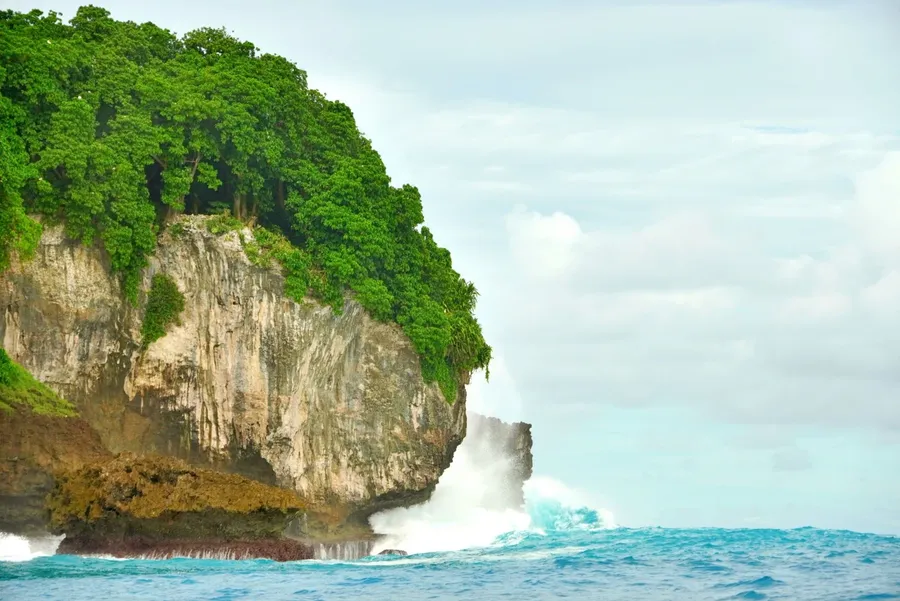
Earthquakes in Wallis and Futuna
According to ThinkHazard.org, Wallis and Futuna is classified as having a medium earthquake hazard. This means there is an estimated 10% chance of a potentially damaging earthquake shaking within the next 50 years.
Most earthquakes that could affect Wallis and Futuna occur offshore beneath the ocean floor. For this reason, the potential risk of tsunamis is often a greater concern than ground shaking alone.
Tsunamis in Wallis and Futuna
Tsunamis are among the most serious natural hazards affecting Wallis and Futuna. They are typically triggered by offshore earthquakes, although undersea landslides and volcanic activity can also generate tsunami waves.
According to global hazard assessments, Wallis and Futuna is classified as having a high tsunami risk, with more than a 40% chance of a potentially damaging tsunami occurring within the next 50 years. This elevated level of risk means that coastal areas are particularly vulnerable and preparedness is essential.
While the territory has not experienced a catastrophe on the scale of some neighbouring Pacific islands in recent history, its location in a tectonically active region means tsunamis remain a significant natural hazard. Understanding evacuation routes and heeding official warnings are key to staying safe.
How to Prepare for a Tsunami in Wallis and Futuna
Wallis and Futuna is part of the wider Pacific tsunami monitoring network, with alerts issued through regional warning systems and local authorities. However, travellers should take additional precautions to stay informed and prepared:
- Monitor alerts from the Pacific Tsunami Warning Center (PTWC), Administration Supérieure (Prefecture) and other official Pacific warning services.
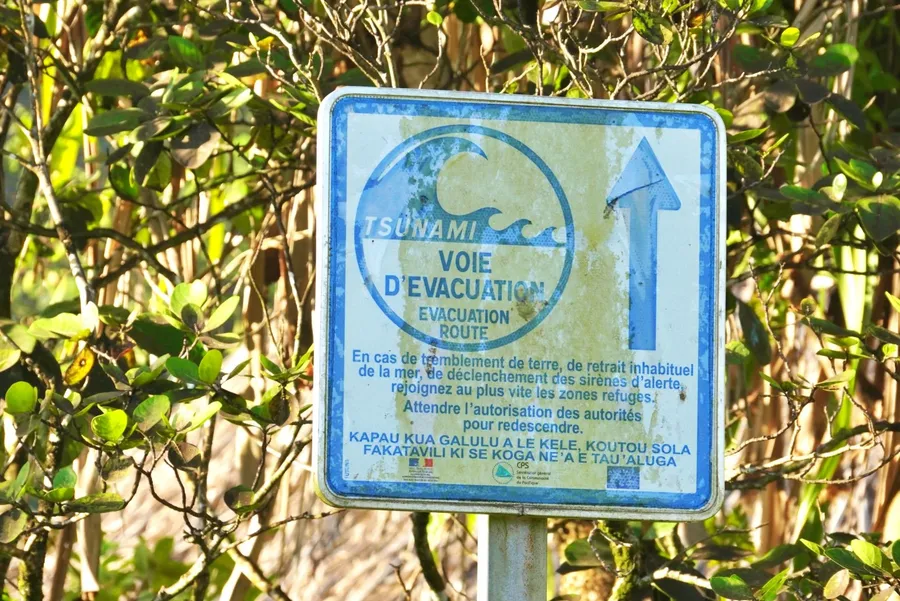
- Familiarise yourself with local evacuation routes, especially if staying near the coast, and take note of the blue posted evacuation signage.
- Pay close attention to official warnings broadcast via radio, local media and government communication channels.
If you feel strong or prolonged ground shaking, move immediately to higher ground without waiting for an official warning.
What to Do if a Tsunami Warning is Issued
Tsunami warnings in Wallis and Futuna are communicated through regional Pacific alert systems, local authorities, and media broadcasts. Natural warning signs may also occur, such as strong or prolonged ground shaking, the ocean suddenly receding, or unusual roaring sounds coming from the sea.
If any of these signs occur, take the following steps immediately:
- Do not wait for an official warning if you observe natural tsunami signs—act straight away.
- If you are near the coast, move inland and to higher ground immediately.
- Follow designated tsunami evacuation routes and signage, and head to the safest elevated area available.
After a tsunami, continue monitoring official announcements via radio or other local communication channels. Only return to coastal areas once authorities have confirmed it is safe to do so.
-SEB%20CREDIT%20WallisandFutunaPocketGuide.com-900x601.webp?v=2026-04-11T21%3A17%3A22.135Z)
Frequently Asked Questions About Earthquakes, Tsunamis and Natural Disasters in Wallis and Futuna
Now that you know about the natural disaster risks in Wallis and Futuna, here are the answers to the internet's frequently asked questions about earthquakes, tsunamis and natural disasters in this Pacific territory!
Are earthquakes common in Wallis and Futuna?
Yes, earthquakes are relatively common in Wallis and Futuna due to its location in the Pacific Ring of Fire. The territory sits on active tectonic plate boundaries, making seismic activity a regular occurrence, though most earthquakes are minor and rarely cause significant damage.
Is there a tsunami risk in Wallis and Futuna?
Yes, there is a tsunami risk in Wallis and Futuna, particularly from earthquakes occurring in the broader Pacific region. The territory is part of the Pacific Tsunami Warning System, and local authorities have evacuation plans in place for coastal areas.
What natural disasters occur most frequently in Wallis and Futuna?
The most frequent natural disasters in Wallis and Futuna include tropical cyclones during the cyclone season (November to April), earthquakes due to tectonic activity, and occasional flooding from heavy rainfall. Droughts can also occur during prolonged dry periods.
When is cyclone season in Wallis and Futuna?
Cyclone season in Wallis and Futuna typically runs from November to April, with the peak activity occurring between December and March. During this period, the territory can experience severe weather conditions, including strong winds, heavy rainfall and potential flooding.
For more information, check out Cyclone Safety in Wallis & Futuna: How to Prepare for a Cyclone in Wallis & Futuna.
Are there early warning systems for natural disasters in Wallis and Futuna?
Yes, Wallis and Futuna has early warning systems in place, including participation in the Pacific Tsunami Warning System and cyclone tracking through Météo-France. Local radio stations and authorities provide updates and evacuation instructions when necessary.
What should visitors do during an earthquake in Wallis and Futuna?
During an earthquake in Wallis and Futuna, visitors should drop to their hands and knees, take cover under a sturdy table or against an interior wall, and hold on until the shaking stops. If near the coast, move to higher ground immediately after the shaking stops due to potential tsunami risk.
Editor's Choice
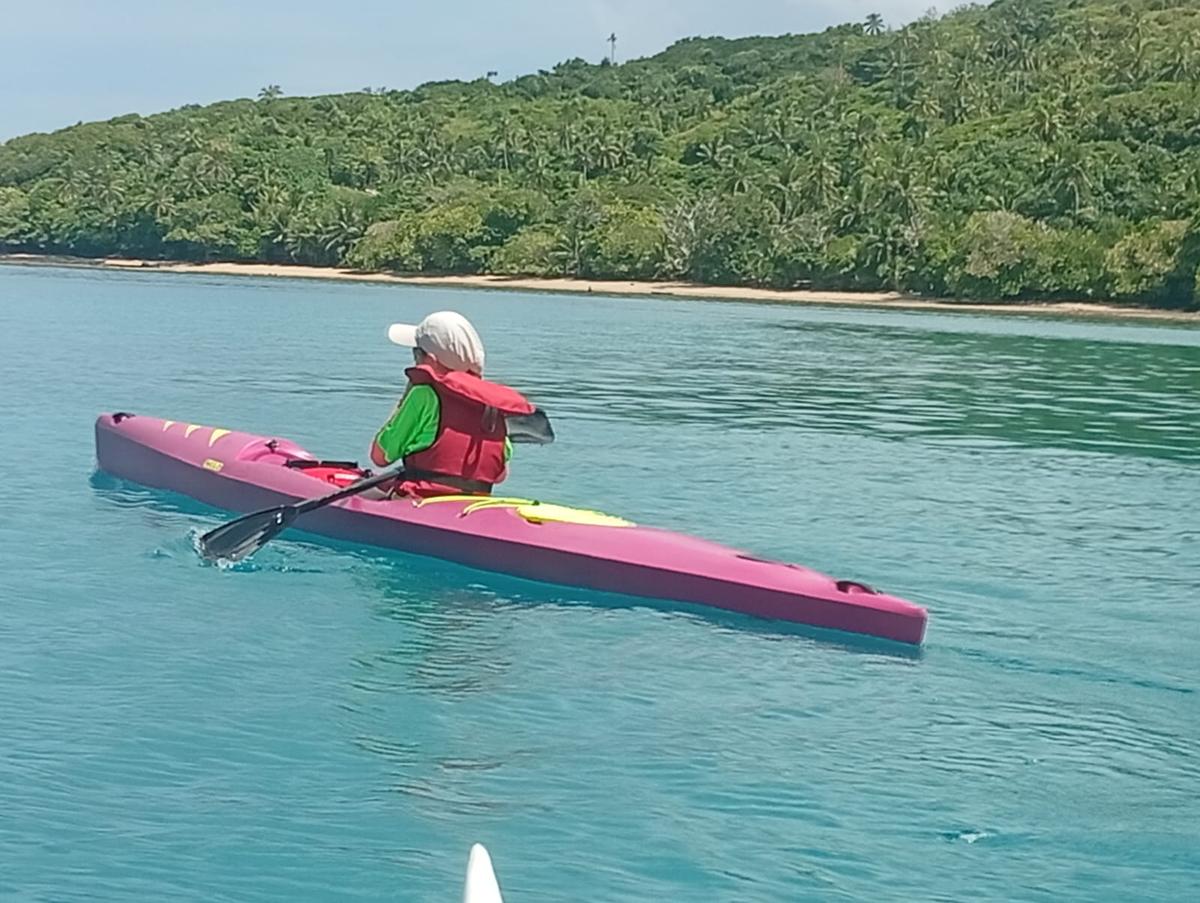
A Vaka Heke
Discover the stunning motu of Wallis from the water on a guided paddle adventure with A Vaka Heke. Choose your craft: surfski, kayak or paddleboard, and your pace, with tours ranging from one hour...
More About Earthquakes and Tsunamis in Wallis and Futuna
That's it for our guide to earthquakes and tsunamis in Wallis and Futuna. For more about natural disasters and safety tips, head to the following articles:
- Cyclones in Wallis & Futuna: A Guide to Cyclone Safety in Wallis & Futuna
- Wallis & Futuna Safety Tips: Is it Safe to Travel to Wallis & Futuna?
- Is the Water Safe to Drink in Wallis & Futuna?
For more tips for travelling in Wallis and Futuna, head to our 20 Tips for Travelling in Wallis & Futuna.

-BI%20CREDIT%20WallisandFutunaPocketGuide.com-900x601.webp?v=2026-05-20T02%3A42%3A42.396Z)
-SEB%20CREDIT%20WallisandFutunaPocketGuide.com-900x601.webp?v=2026-04-07T00%3A26%3A06.322Z)