

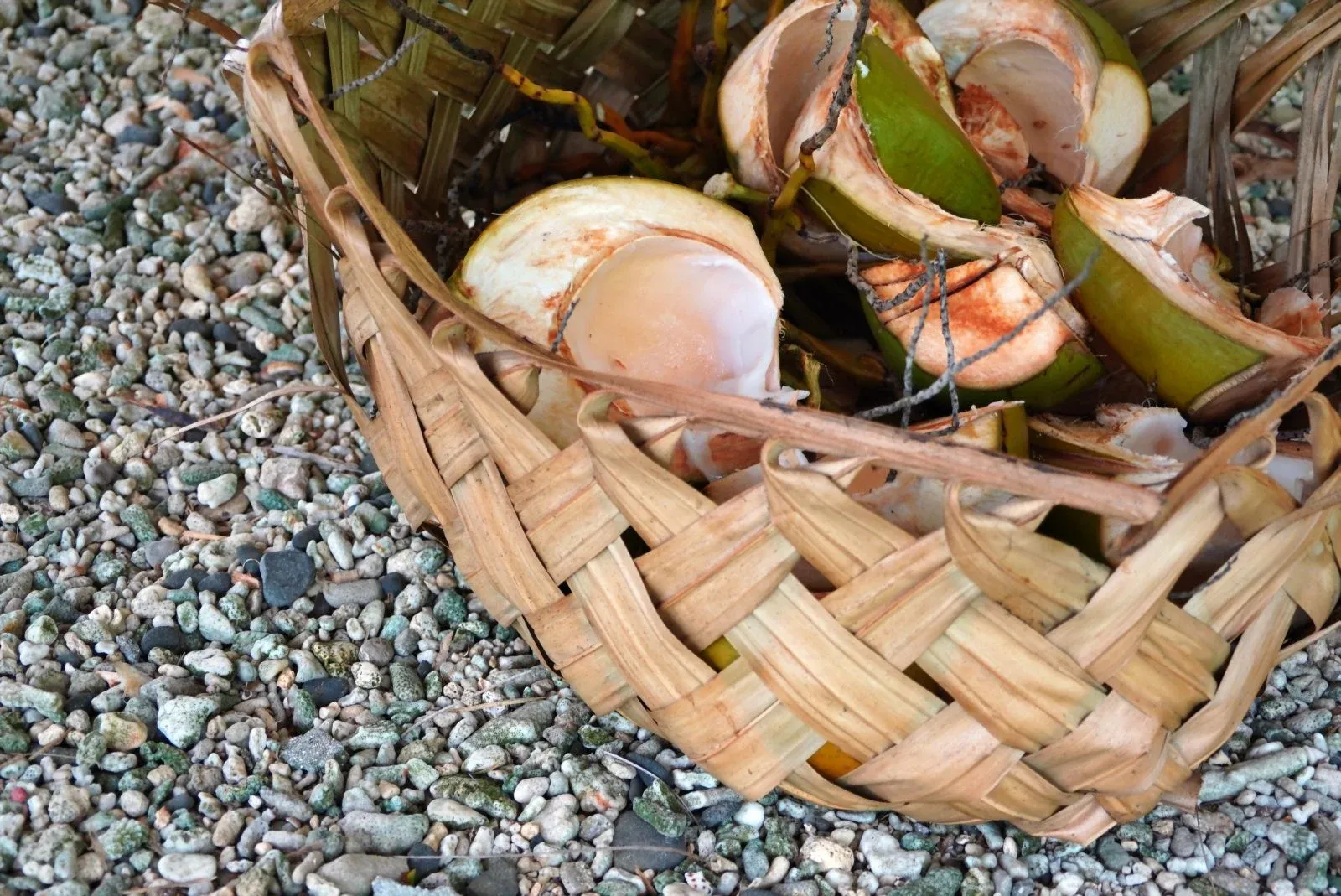
Tips for a More Eco-Friendly Trip to Wallis and Futuna
Wallis and Futuna is blessed with striking natural beauty, from lush green hills and volcanic peaks to turquoise lagoons and vibrant coral reefs. Spending time in this remote South Pacific territory often deepens travellers’ appreciation for its fragile ecosystems and strong connection between land, sea and community.
At the same time, the islands face environmental challenges, including limited waste management infrastructure and marine debris washing ashore from the wider Pacific. As a visitor, you have the opportunity to help protect this unique destination.
Start your journey on the right foot by following our practical tips for travelling more sustainably in Wallis and Futuna.
This article is based on real on-the-ground research, not on AI scraping old content from the internet. Learn how we use AI!
Table of Contents
1.Travel in the Low Season to Prevent Overtourism
-S%20CREDIT%20WallisandFutunaPocketGuide.com-900x601.webp?v=2026-04-07T00%3A30%3A23.237Z)
Travelling during the low season in Wallis and Futuna offers a quieter, more affordable, and eco-friendly experience.
Plan your trip between January and June to put less pressure on local resources.
2.Explore Wallis, Futuna and Alofi
%20CREDIT%20WallisandFutunaPocketGuide.com-900x601.webp?v=2026-04-07T01%3A27%3A33.592Z)
Most visitors to Wallis and Futuna tend to stay on Wallis Island (Uvea) where the main town and services are located.
To reduce pressure on the territory’s limited infrastructure and discover hidden gems, consider visiting smaller, less-visited areas such as Futuna and Alofi, which offer insights into remote Pacific living, ancient historical sites and uncrowded hiking trails.
3.Stay Longer to Make the Most of Your Carbon Footprint
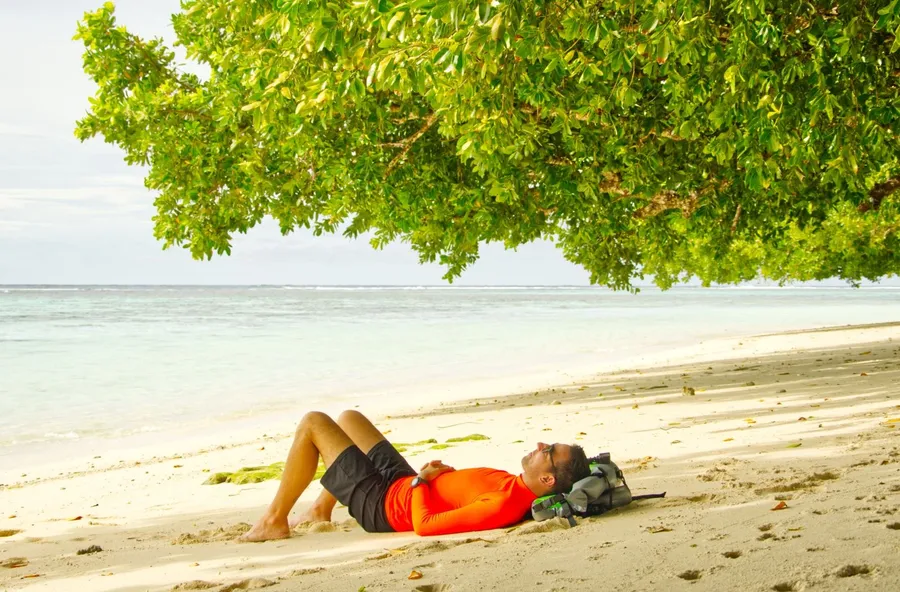
Flights to Wallis and Futuna contribute the largest portion of your travel carbon footprint. Consider extending your stay to make the most of the environmental cost of your journey.
4.Pack Reusable Items

Reusables, such as metal straws, water bottles and shopping bags, can help save dozens of plastic from going into landfills. By packing your own (and making sure you use them), you'll help reduce the need for single-use items during your trip and keep your waste to a minimum.
Sadly, there's still plastic everywhere, so reusables will come in handy here.
More advice on using reusable water bottles can be found toward the end of this listicle!
Editor's Choice
A Vaka Heke
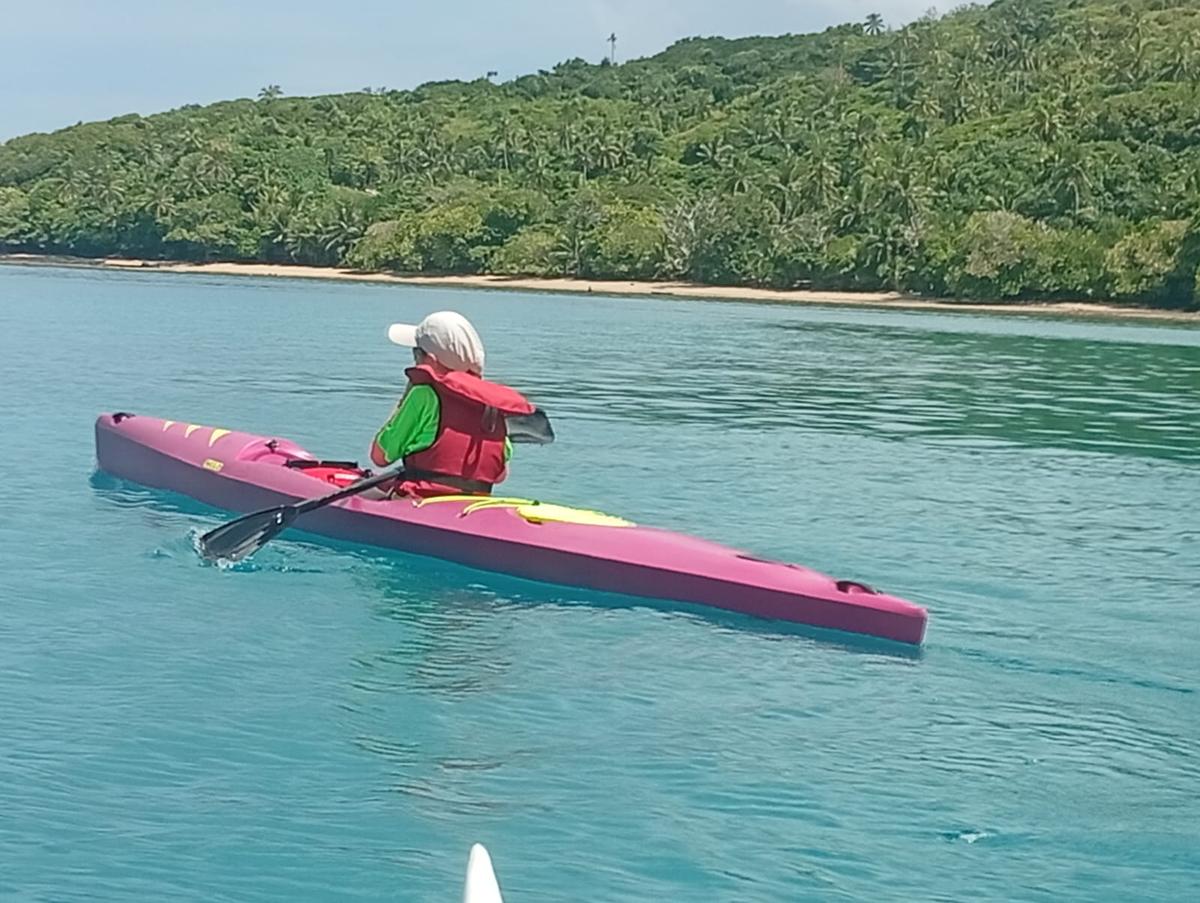
Discover the stunning motu of Wallis from the water on a guided paddle adventure with A Vaka Heke. Choose your craft: surfski, kayak or paddleboard, and your pace, with tours ranging from one hour...
5.Use Shampoo Bars Instead of Your Resort’s Shampoo Bottles
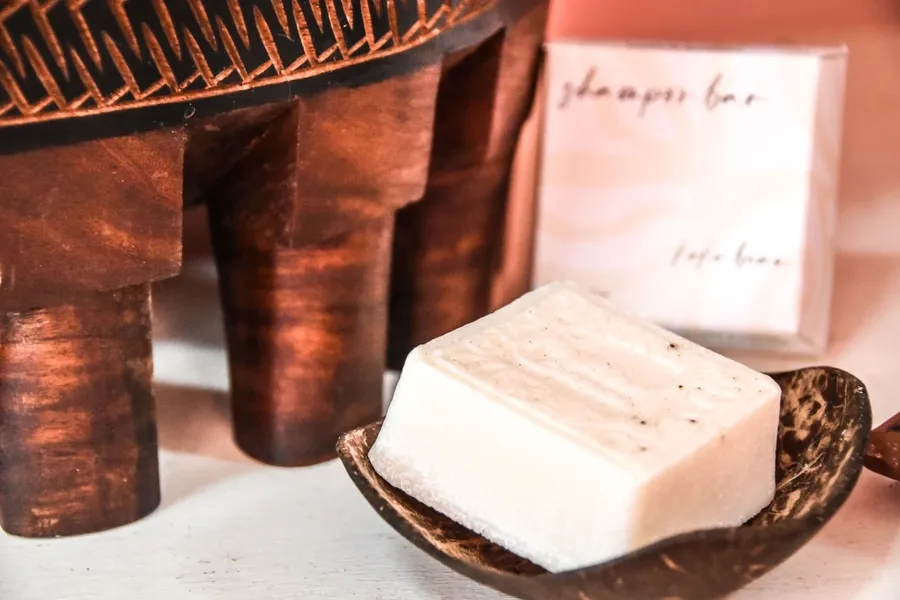
Shampoo bars are both a great way to save money on haircare (they last much longer) and reduce the amount of plastic used.
Besides, most accommodations only provide soap, not shampoo and conditioner, so you'll need to bring your own toiletries anyway.
We like New Zealand-made Ethique shampoo bars.
You'll easily find brands all over the world and even in Wallis and Futuna.
6.Take Your Rubbish with You
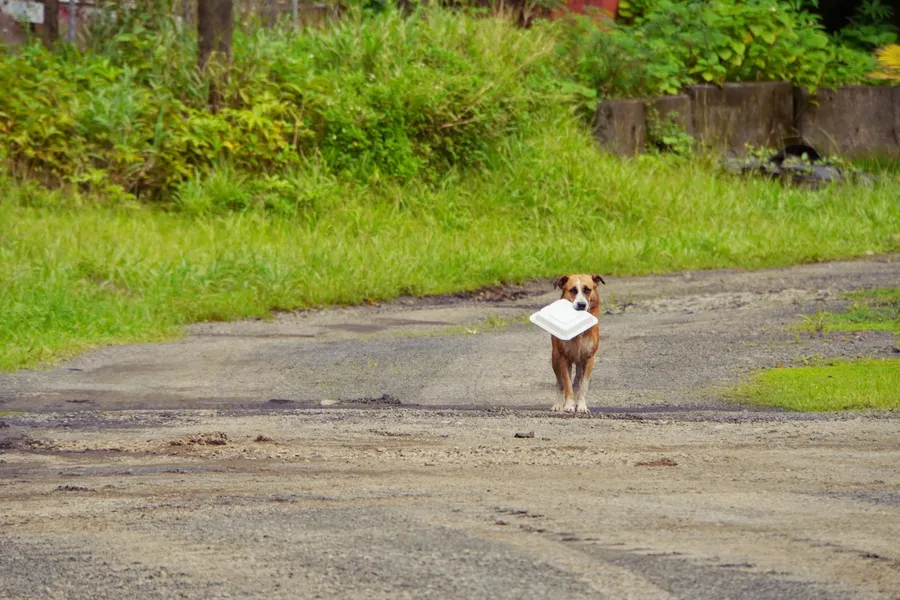
When exploring Wallis and Futuna, avoid littering by packing a small bag to take your rubbish with you.
Know that aerosol sprays, batteries and many plastics, for example, are not properly recycled in Wallis and Futuna, so take them back home where you are more likely to recycle them properly (or avoid bringing them at all).
7.Use Reef-Safe Sunscreen
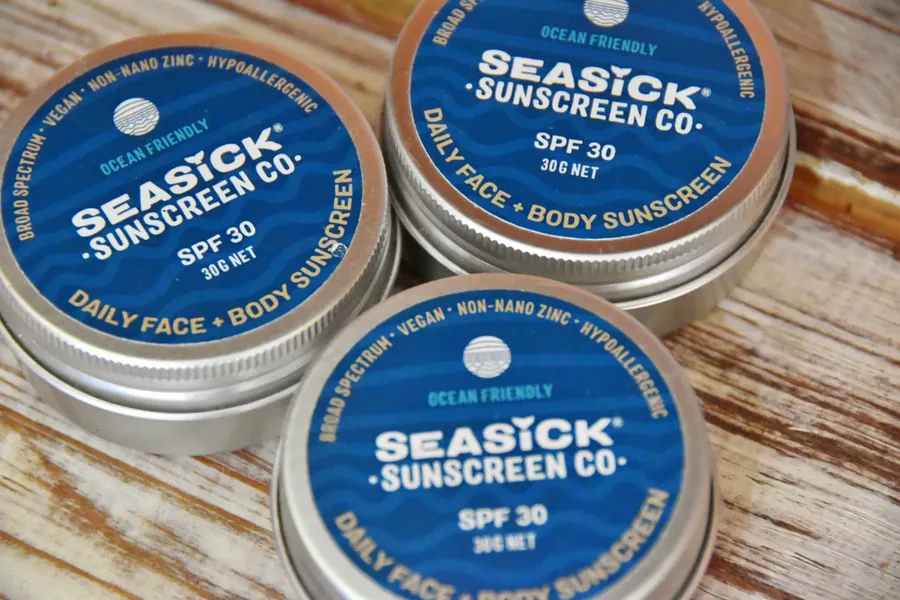
Standard sunscreens are made with oxybenzone and octinoxate which are harmful to Wallis and Futuna's coral ecosystems. Use reef-safe sunscreen to enjoy Wallis and Futuna's amazing coral reefs without damaging them.
Check out our favourites in The Best Sunscreens for Wallis & Futuna + Sun Protection Tips.
8.Use Natural Mosquito Repellent
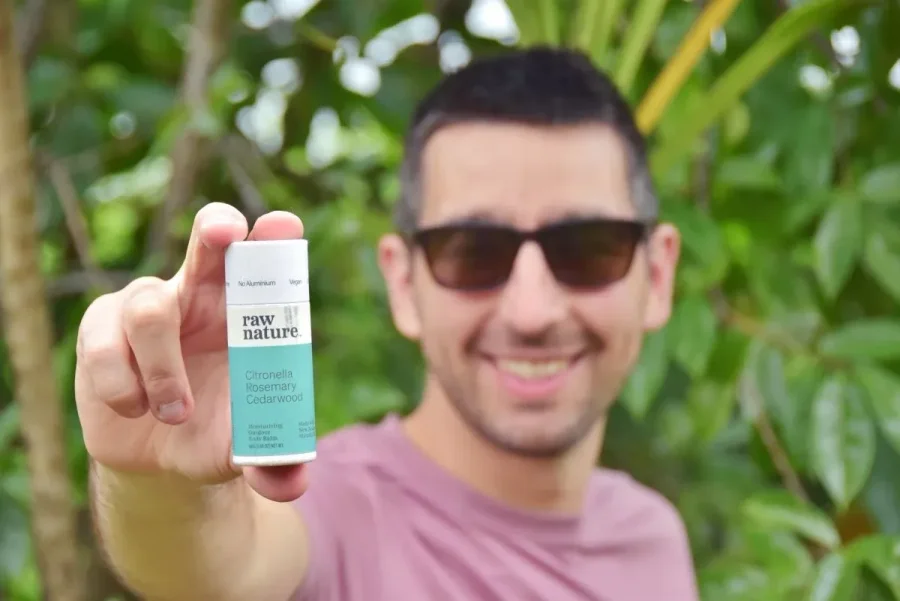
DEET is the main component of standard insect repellents that contaminate soil and waterways and isn’t all that great for you either. Use lemon and eucalyptus sprays, and cover your arms and legs.
You can check our 10 Best Natural Insect Repellents for Wallis & Futuna for our recommendations.
9.Low-Impact Transportation
-CUNL%20CREDIT%20WallisandFutunaPocketGuide.com-900x601.webp?v=2026-04-07T00%3A33%3A37.283Z)
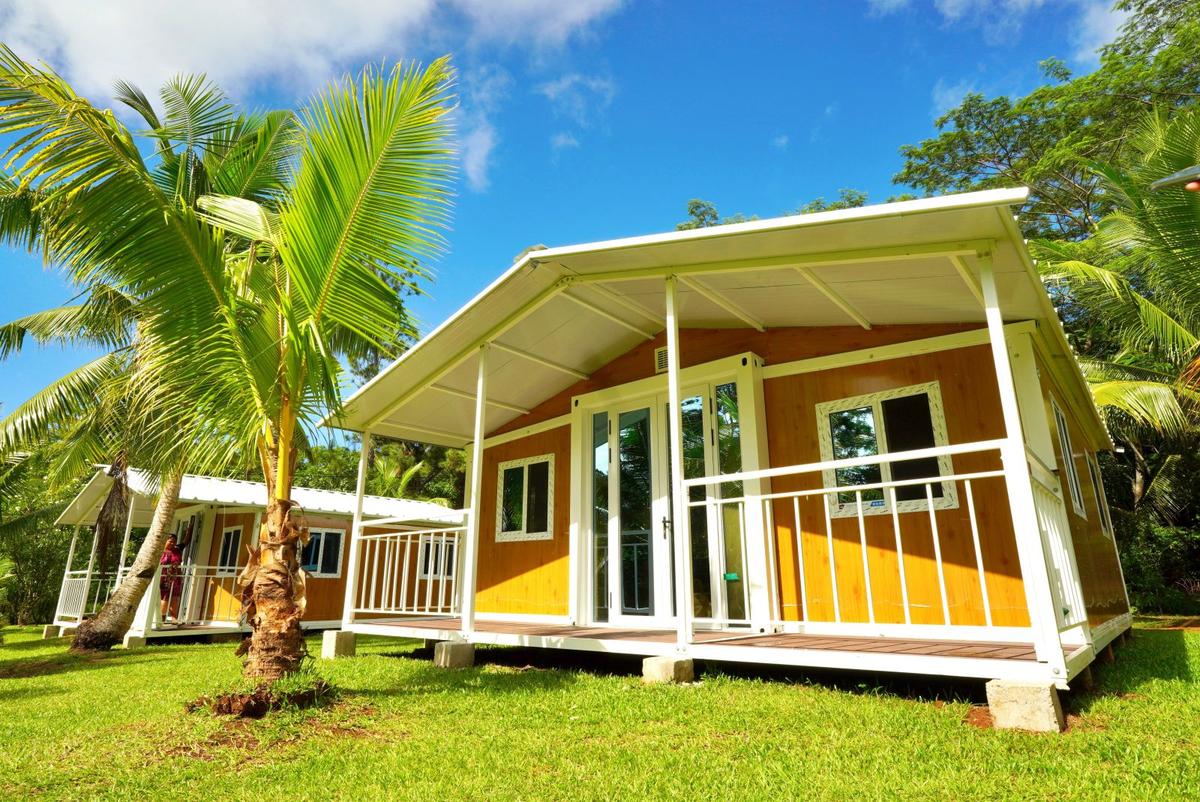
In Wallis and Futuna, there is no public transport, so most travellers rely on rental cars to get around.
To travel more sustainably, consider sharing rides with other visitors or locals whenever possible, and try to stay longer in one area to reduce frequent back-and-forths across the islands.
For shorter distances within villages, walking is an excellent alternative; it’s eco-friendly, healthy, and gives you a closer connection to local life.
Planning your routes in advance and minimising vehicle use helps lower your carbon footprint while exploring these beautiful islands.
See all of your options for travelling in the Wallis & Futuna Transport Guide: 10 Best Ways to Get Around Wallis & Futuna.
10.Opt for Bicycles!
-SEB%20CREDIT%20WallisandFutunaPocketGuide.com-900x601.webp?v=2026-04-19T19%3A21%3A03.723Z)
That’s right, there are more and more ways to travel sustainably in Wallis and Futuna!
The islands are ideal for bicycle touring, especially on Wallis where the roads are flat, the traffic is relatively light, and the scenery is stunning.
Learn more about where to hire bicycles in The Ultimate Guide to Cycling in Wallis & Futuna.
Planning your transport this way helps reduce your carbon footprint while still allowing you to explore the islands freely.
11.Offset the Carbon Cost of Your Flight
-%20BNCC%20CREDIT%20WallisandFutunaPocketGuide.com-900x601.webp?v=2026-04-23T20%3A37%3A44.231Z)
Pretty much every airline offers options to offset the carbon footprint of your flight, however, most are not so transparent and are questionable in how much real "carbon off-setting" they actually achieve.
We always recommend looking into your own choice of carbon off-setting. If you haven't got the time, we recommend myclimate.org or flygrn.com which offer better options than those offered by most airlines.
12.Make Your Flight to Wallis and Futuna as Direct as Possible
-SE%20CREDIT%20WallisandFutunaPocketGuide.com-900x601.webp?v=2026-04-07T00%3A23%3A44.240Z)
It is no secret that flying direct can save you a lot of time. But did you know that it also results in a lower carbon footprint?
We know that achieving direct flights to Wallis and Futuna is a challenge, with the only connections being via New Caledonia and Fiji. But by planning the most direct routes and reducing your total flight time, this reduces the carbon footprint of your trip and we’re all better for it.
Check out where you can take direct flights to Wallis and Futuna using Which Airlines Fly Directly to Futuna?
Editor's Choice
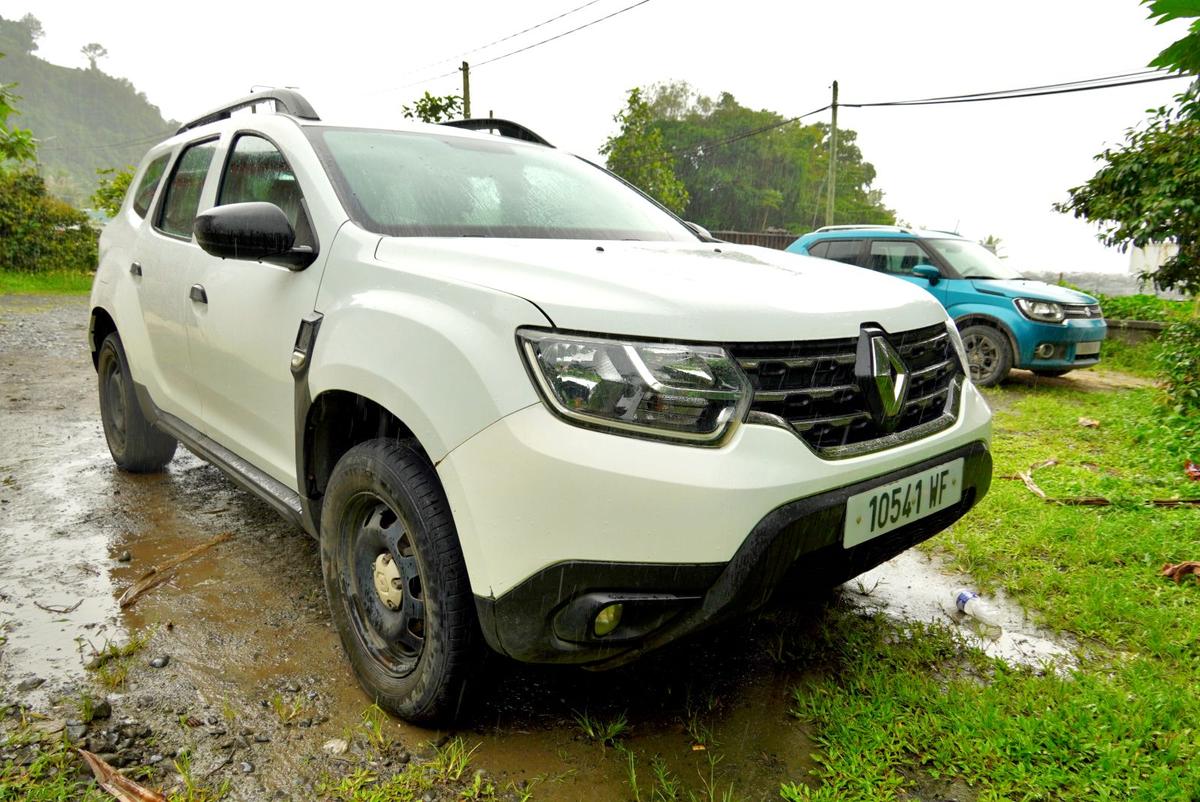
Corail Renting
Explore Wallis and Futuna at your own pace with our reliable Renault Duster. This modern and robust SUV is perfect for your island adventures, offering comfort for up to five passengers with air...
13.Stay in a Homestay
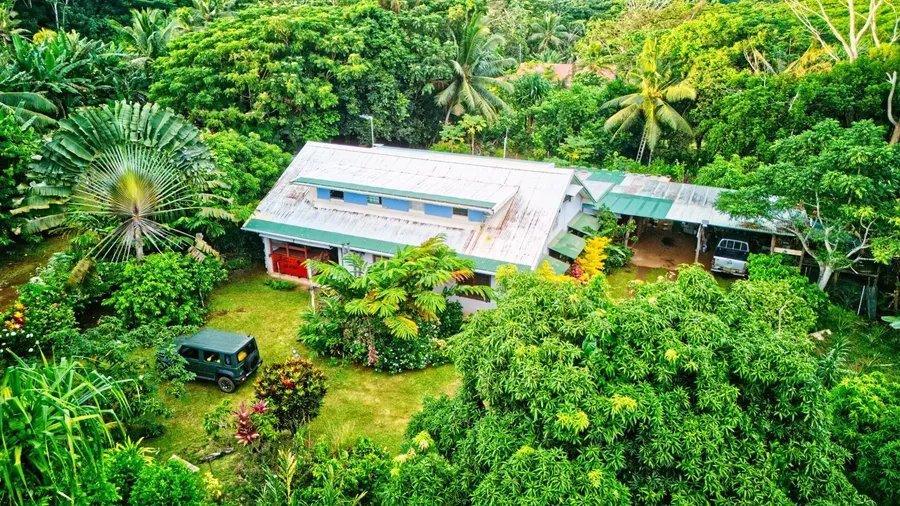
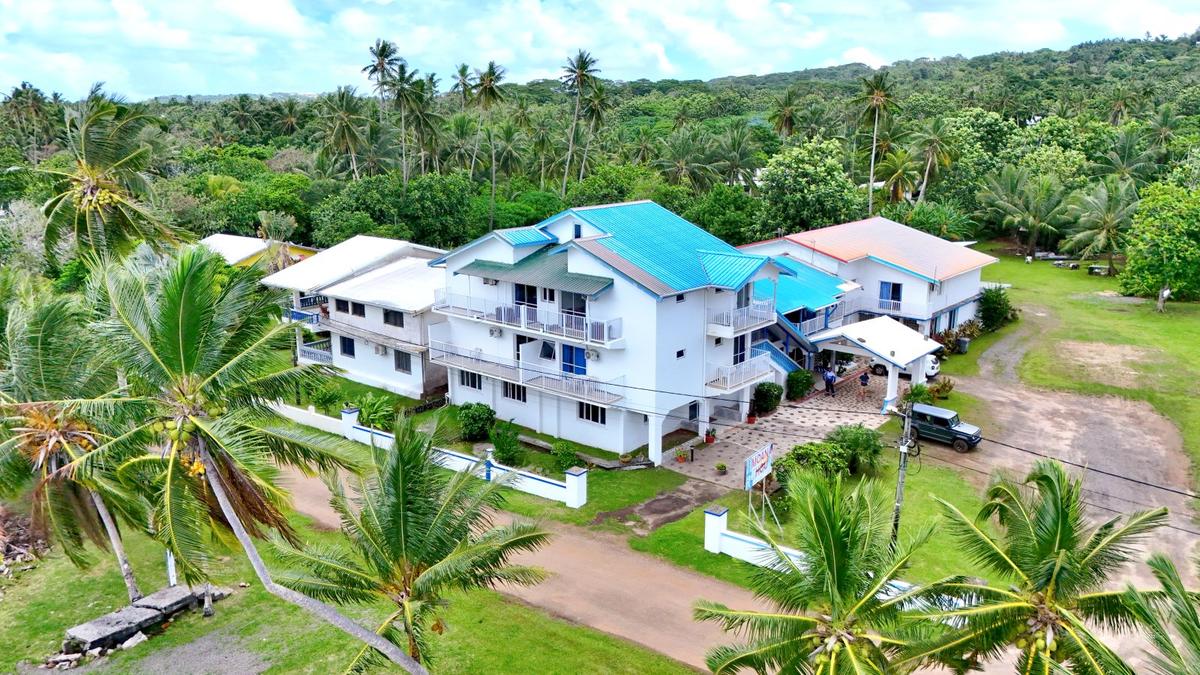
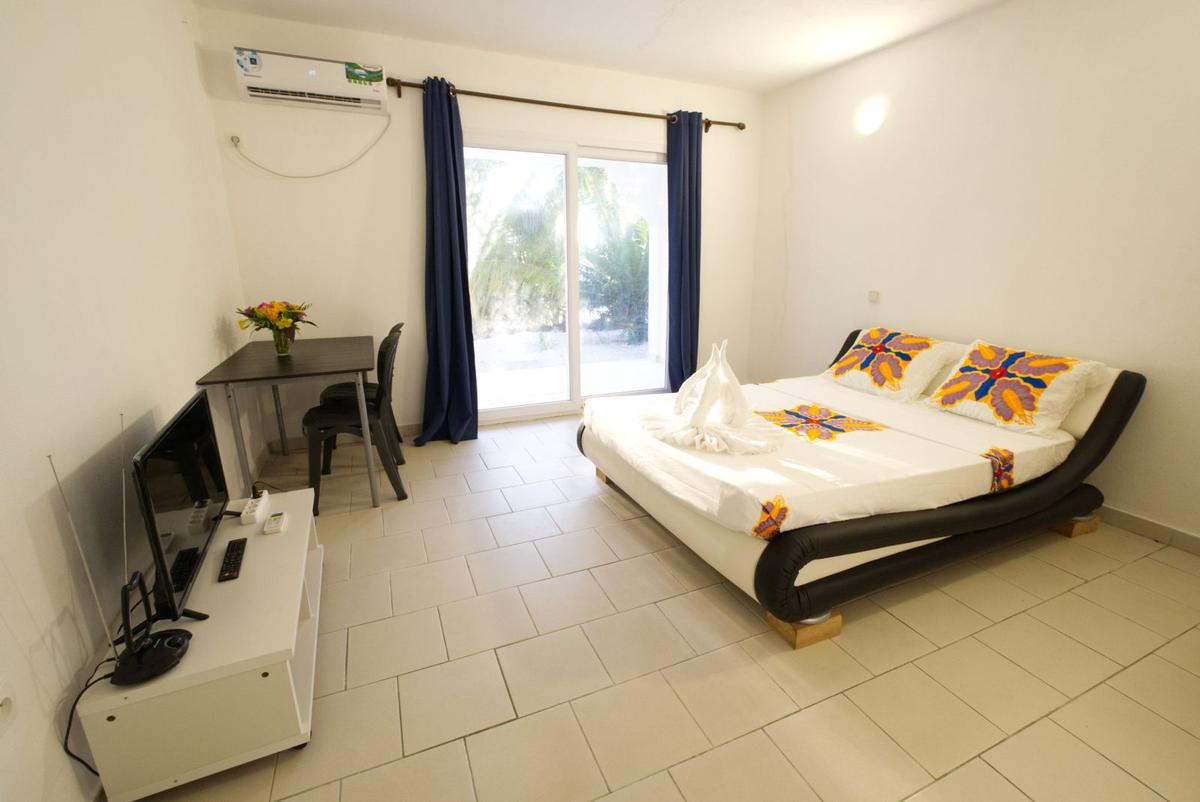
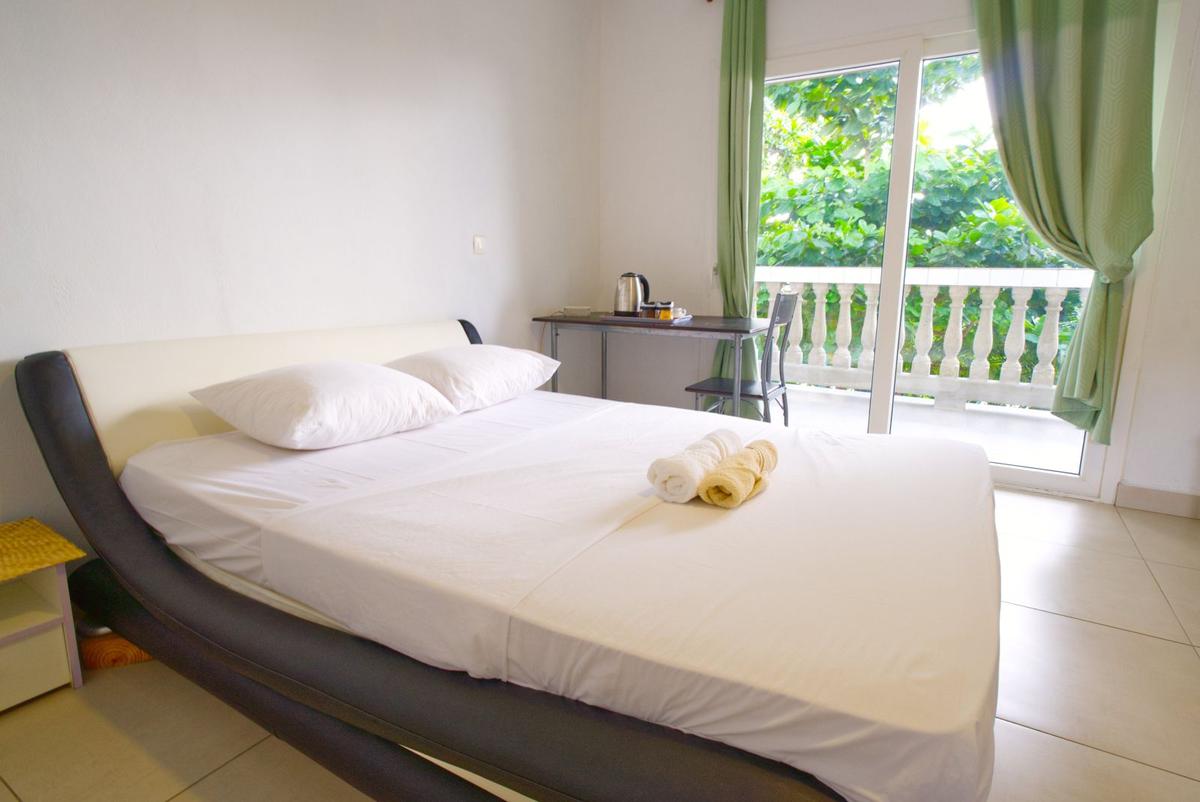
Wallis and Futuna offer a range of locally run homestays and guesthouses that use fewer resources than hotels, especially those that need to maintain a swimming pool.
These smaller accommodations not only have a lower environmental impact but also provide direct support to the local communities, helping you travel more sustainably while experiencing authentic island life.
Learn more about the accommodations available in Where to Stay in Wallis & Futuna.
14.Turn Off the Light, TV and A/C in Your Room
%20Air%20Conditioning-CUNL%20CREDIT%20WallisandFutunaPocketGuide.com-900x601.webp?v=2026-04-07T01%3A25%3A51.232Z)
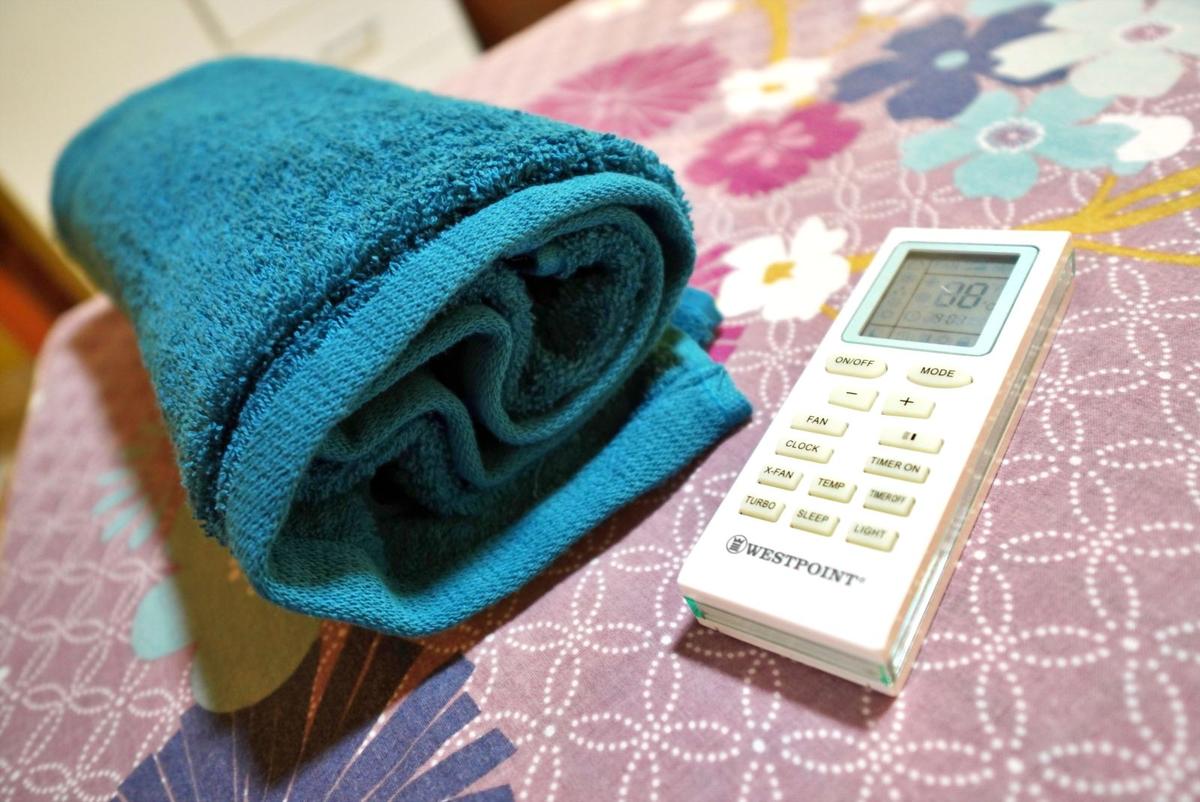
Rooms can be cooled in a matter of minutes using the air conditioning (and Wallis and Futuna lurrrrrrves air-conditioning), so there’s no need to let it run all day.
Before heading out, do a quick check around your room and turn off all the appliances to help decrease the power consumption during your stay.
15.Close Your Windows When Using the A/C in Your Room
-BI%20CREDIT%20WallisandFutunaPocketGuide.com.webp?v=2026-04-19T19%3A20%3A45.899Z)
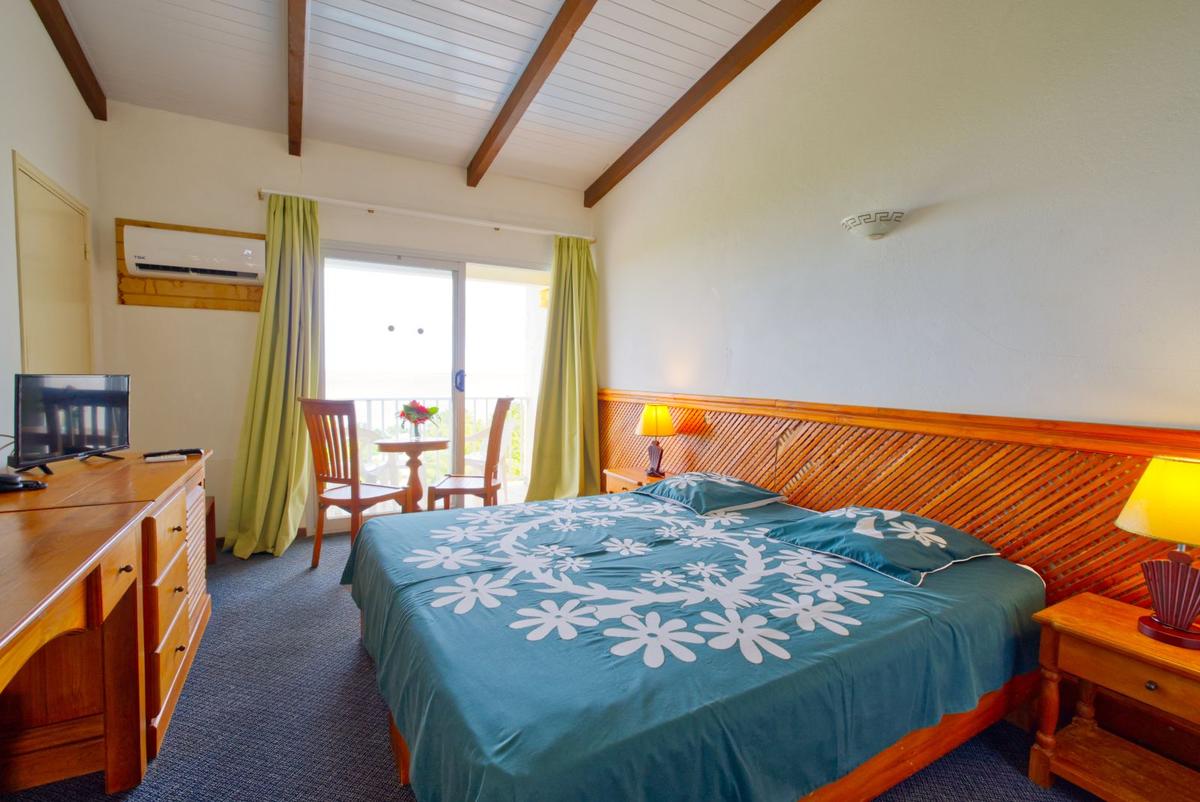
Air-conditioning machines have to work extra hard when set in larger spaces… And there is no larger space than the great Wallis and Futuna outdoors!
Unfortunately, the buildings in Wallis and Futuna are not designed to embrace the ocean breeze like in other tropical destinations. Not to mention, there are rarely insect screens or mosquito nets.
So when you inevitably have to use the A/C, make sure to keep your doors and windows closed. It will significantly reduce your power usage.
16.Bring Your Own Soap and Travel Soapbox
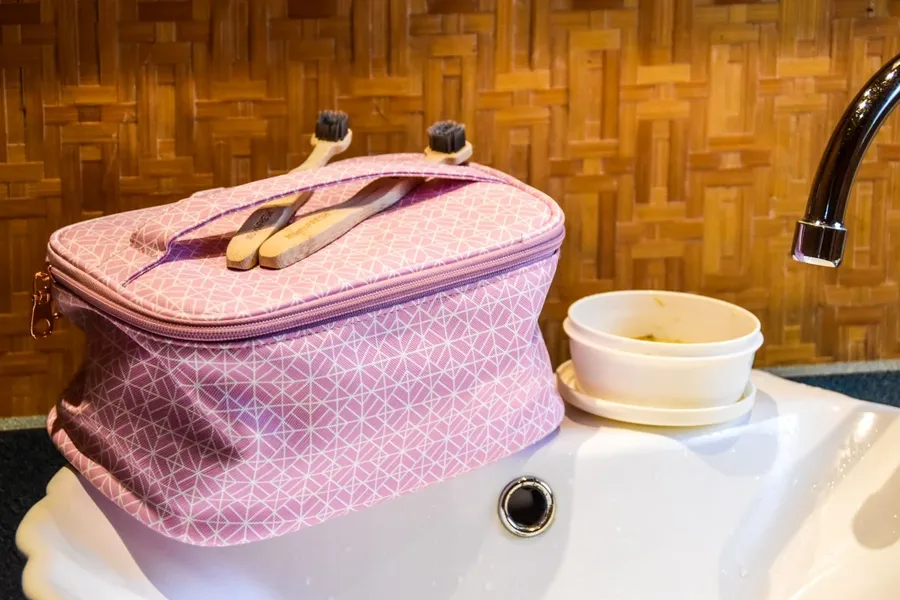
Instead of using the toiletries in your accommodation that are extremely plastic-inefficient, usually a full plastic-wrapped soap bar, use your own soap (and reusable soapbox for easy travel)!
Not only will it reduce waste, but it means that you can stick to your loved and trusted brand and avoid any nasty surprises.
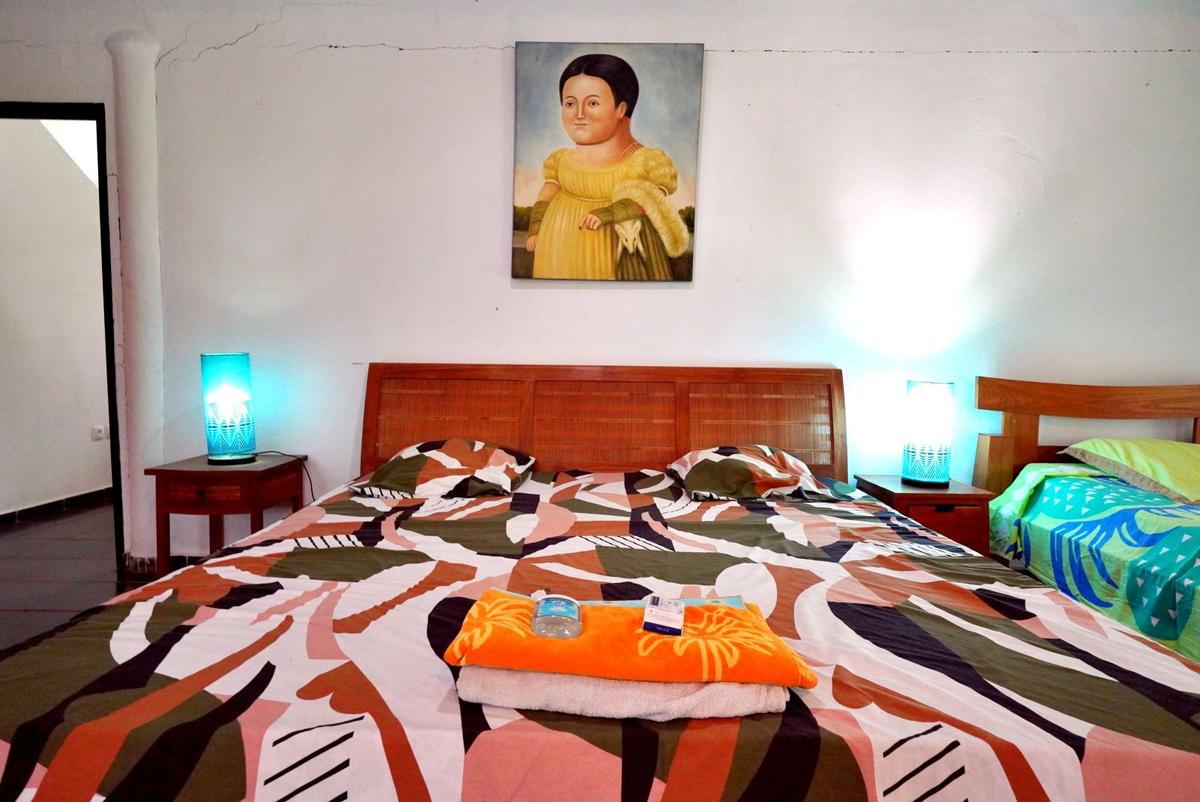
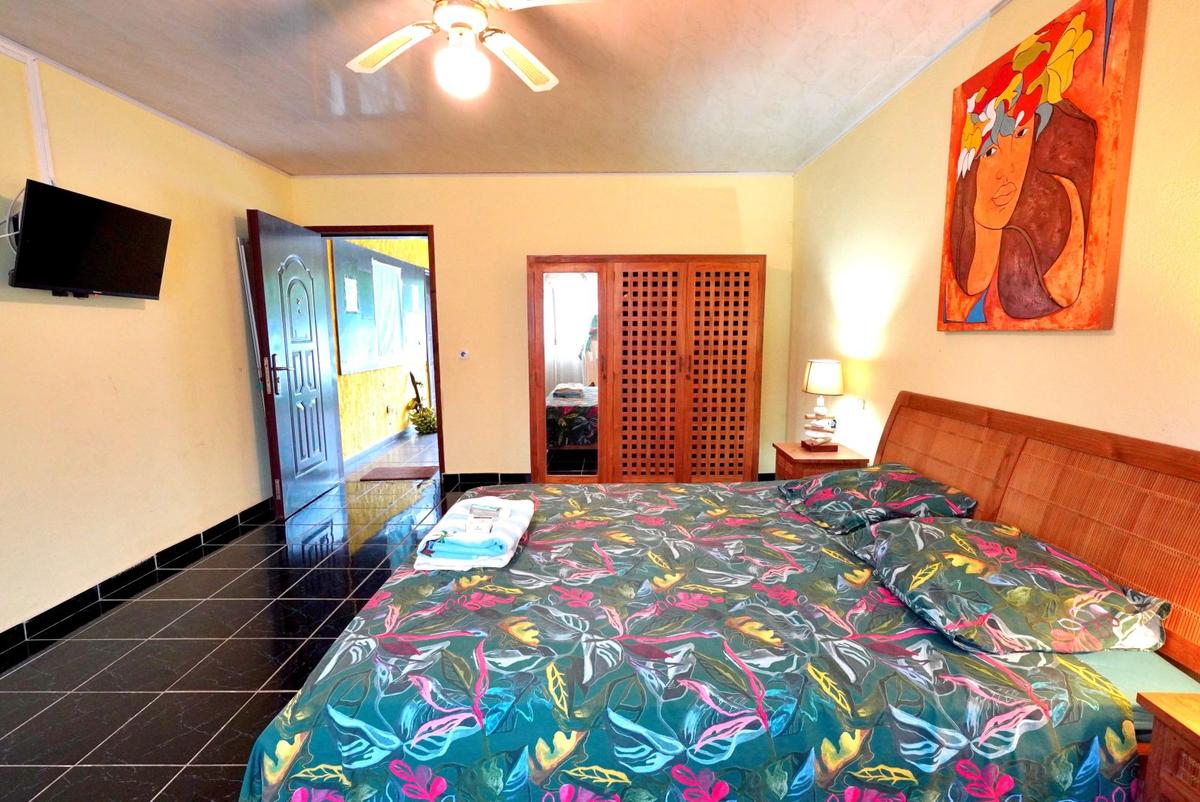
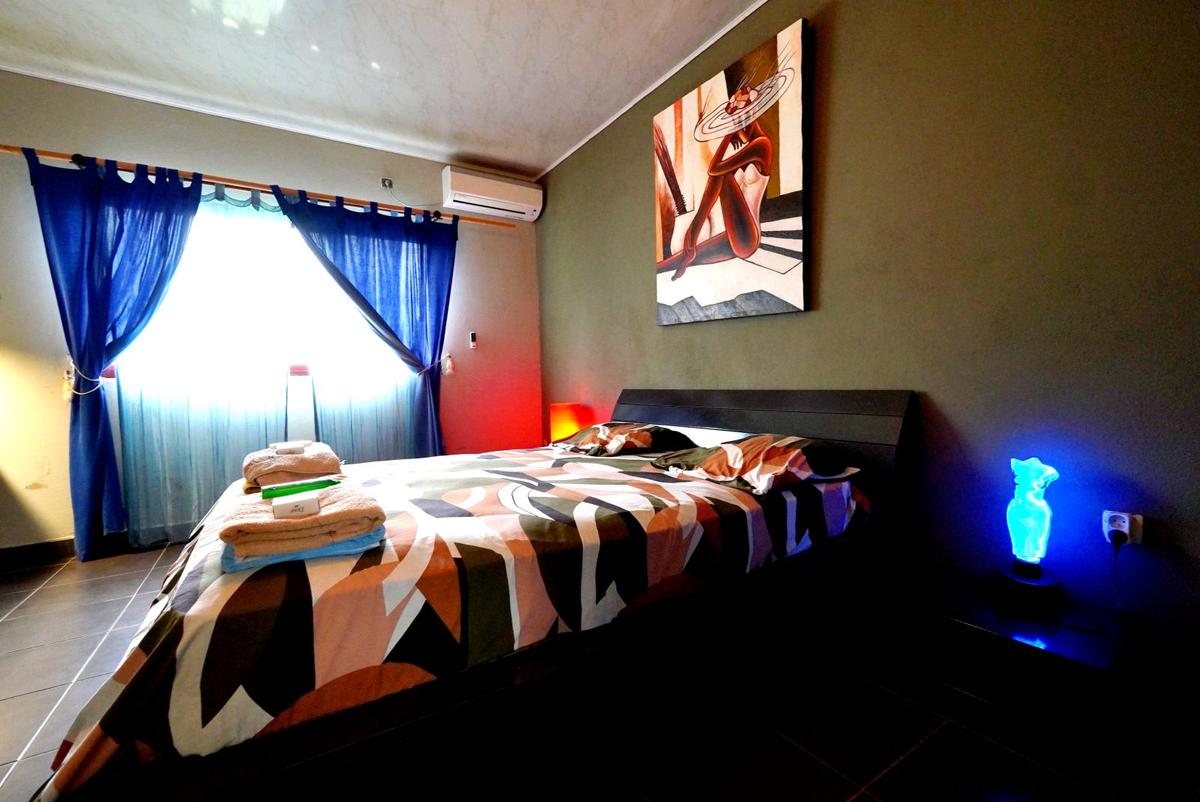
Where to Stay
Lausikula Guest House
Room 4 (Family Room) · Room 2 (Large Double) · Room 1 (Premium)
NZ$205/night
17.If Using Accommodation Consumables, Take Any Leftovers with You
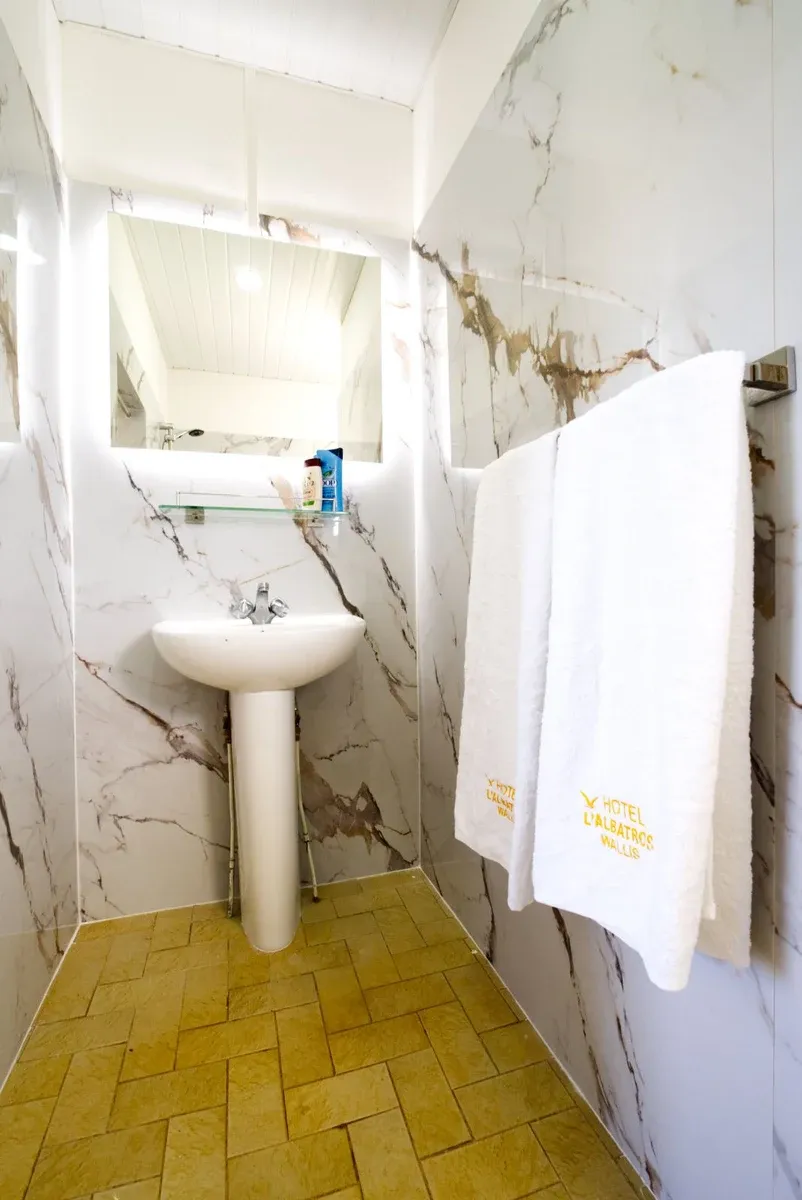
If you choose to use the toiletries included in your room, usually just soap, take them with you when you leave. No matter how much of it you have used, it will be discarded by the housekeeping staff, and that’d be a shame.
Note that large shampoo bottles are typically used by the next guests, so you can leave those behind.
18.Choose Low-Impact Tours
-SEB%20CREDIT%20WallisandFutunaPocketGuide.com-900x507.webp?v=2026-04-07T00%3A50%3A04.804Z)
While there are no real "eco-tours" in Wallis and Futuna, there are certainly plenty of options that are low-impact.
Join the local va'a/vaka association for a paddle in an outrigger canoe, or do guided kayak, SUP or Hobie Cat sailing tours that use nothing but the elements and human effort to enjoy. Hiking and snorkelling are also low-impact options.
Learn more about these tours in the 101 Best Things to Do in Wallis & Futuna: The Ultimate List.
19.Buy Local Souvenirs and Food
%20CREDIT%20WallisandFutunaPocketGuide.com-900x601.webp?v=2026-04-19T19%3A15%3A54.681Z)
In Wallis and Futuna, many goods, especially food, are imported all the way from France, which adds unnecessary environmental and carbon costs. Where possible, buy local fruit and processed goods, like jams and snacks, rather than international options.
When it comes to buying local souvenirs, these are not too hard to find, though you might want to ask about the materials used. Some artisans use local materials like shells, as well as pandanus and coconut fibres, while others use plastic ribbons and even import cheap materials from China.
Choosing locally made gifts not only reduces your environmental footprint but also supports the island’s communities and preserves their cultural heritage.
Check out some local gifts in the 10 Best Souvenirs & Gifts from Wallis & Futuna.
20.Take in the Scenery
-SEB%20CREDIT%20WallisandFutunaPocketGuide.com-900x506.webp?v=2026-04-19T19%3A15%3A28.938Z)
Going on a walk, snorkelling and relaxing by the beach are not just some of the most memorable experiences in Wallis and Futuna, but they are also some of the most sustainable.
The scenery above and below the surface is, arguably, the country’s biggest selling point, so why not enjoy it without the fluff of, say, a motor-powered tour?
Editor's Choice
LS Location
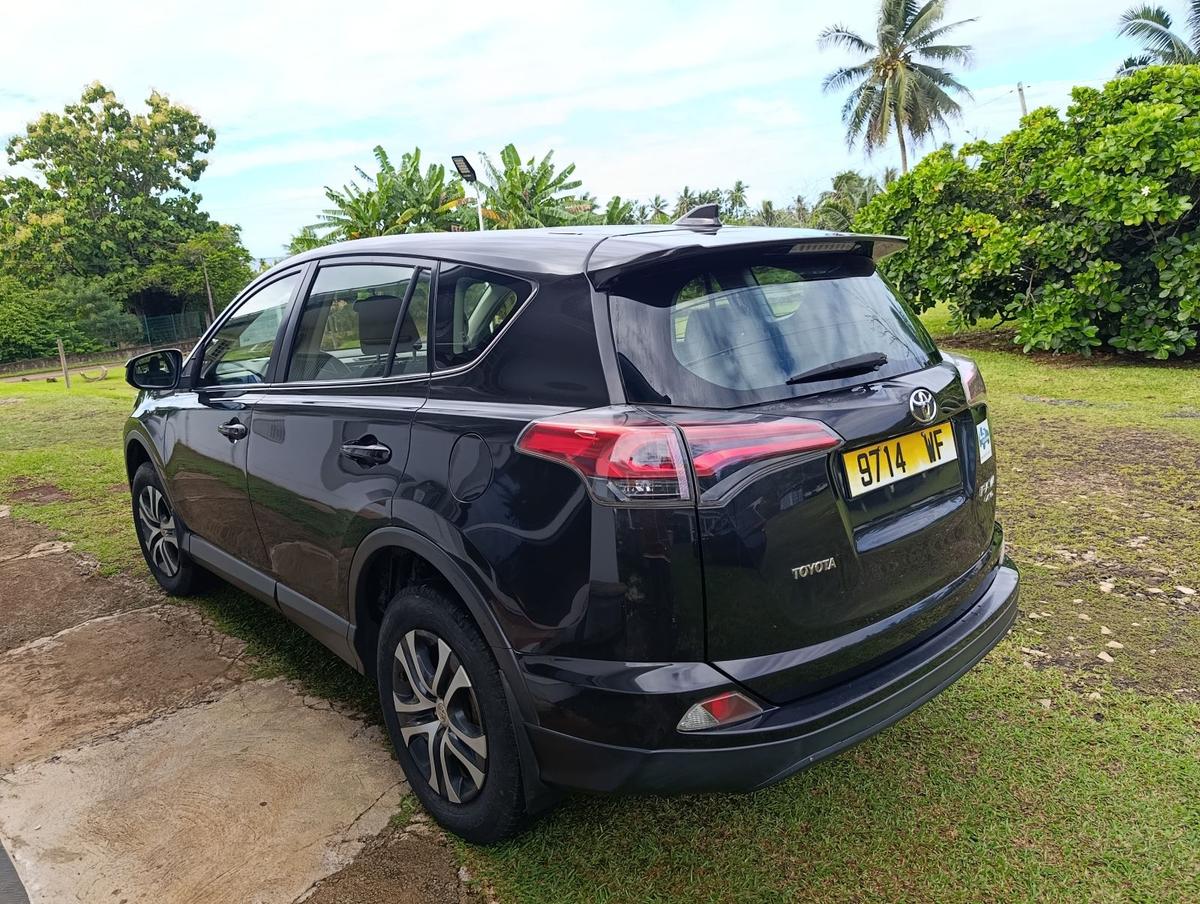
Explore Wallis at your own pace with our reliable fleet of Toyota SUVs. Choose between the manual RAV4 or automatic CHR to suit your driving style. We make island adventures easy with free airport...
21.Do Not Stand on Coral
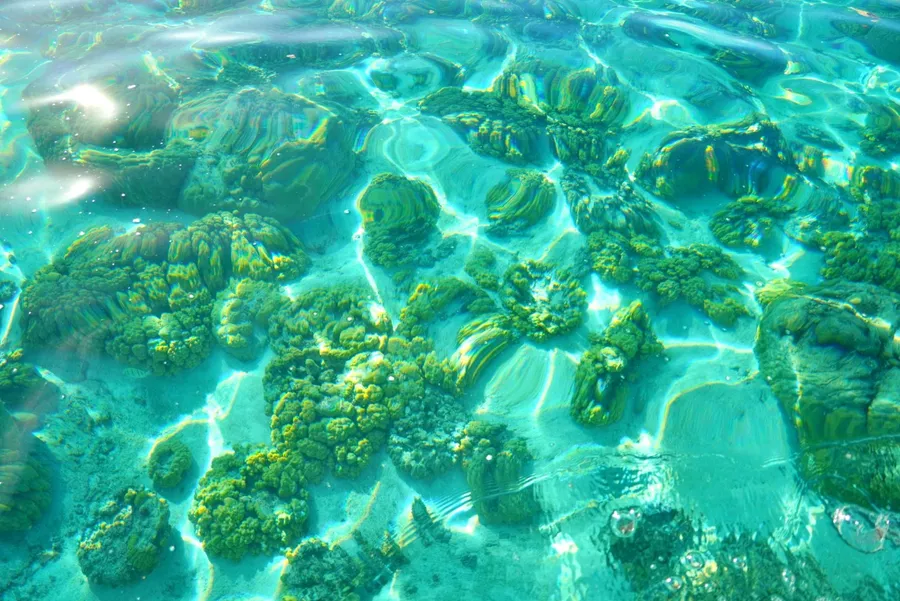
Speaking of snorkelling and relaxing at the beach, another thing to be mindful of when looking to travel more sustainably in Wallis and Futuna is how you impact coral. Try not to stand on coral or break any with your fins; it takes years to regrow.
Enjoy coral from a safe distance. Besides, there is some marine life you will not want to touch anyway, as outlined in our Wallis & Futuna Safety Tips: Is it Safe to Travel to Wallis & Futuna?
22.Dispose of Waste Responsibly
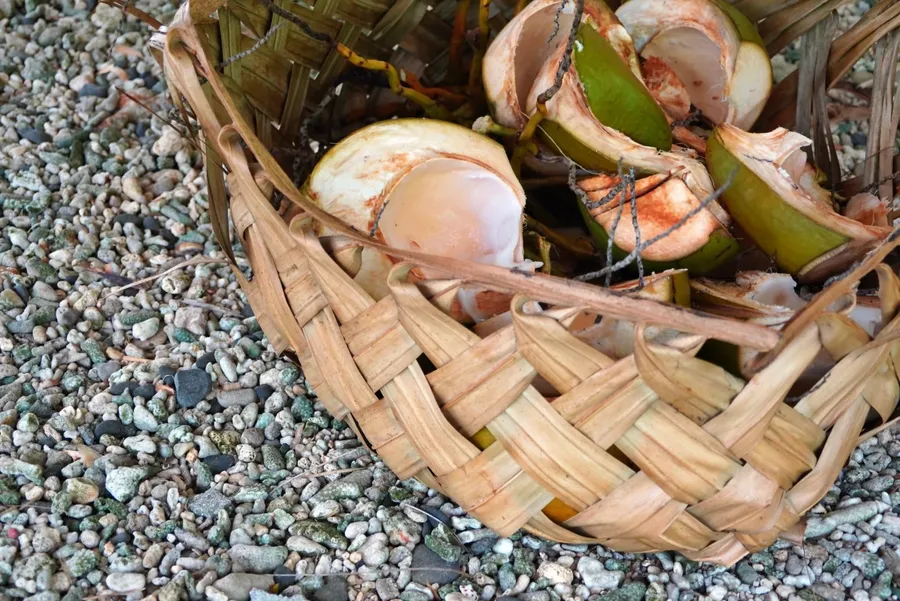
When visiting Wallis and Futuna, it’s important to manage your waste carefully. Public bins can be limited, and improper disposal can harm the islands’ delicate ecosystems.
Always carry a small bag for your trash if needed, separate recyclables when possible, and avoid leaving any waste on beaches or trails.
By disposing of waste responsibly, you help preserve the natural beauty of Wallis and Futuna and protect its wildlife for future visitors.
23.Do Not Be Afraid to Say “No” to Plastic in Restaurants
%20Food%20CREDIT%20WallisandFutunaPocketGuide.com-900x601.webp?v=2026-04-11T21%3A11%3A34.197Z)
In Wallis and Futuna, many restaurants and takeaways still rely on plastic straws, utensils and takeaway containers. While some establishments may offer biodegradable options, these often still end up in landfills.
Politely declining extra plastic cutlery, bags, or straws that you don’t need can make a meaningful difference.
Bring your own reusable alternatives, or simply drink directly from your cup. Locals and staff are generally understanding, and every small action helps reduce plastic waste on the islands.
24.Try Vegetarian or Vegan Food
-CUNL%20CREDIT%20WallisandFutunaPocketGuide.com-900x601.webp?v=2026-04-14T19%3A54%3A47.064Z)
Travelling is a great opportunity to try new things. You may have heard that plant-based food is easier on the planet, so why not give a shot at a vegetarian meal or two during your trip?
You may discover something new and delicious. Plus, it will help reduce your impact in a multitude of ways. See some fantastic options in our guide, Wallis & Futuna for Vegans & Vegetarians + 10 Best Restaurants.
Where to Stay
Afiafi Hotel
Double Room · Triple Room
NZ$153/night
25.Use Your Reusable Water Bottle
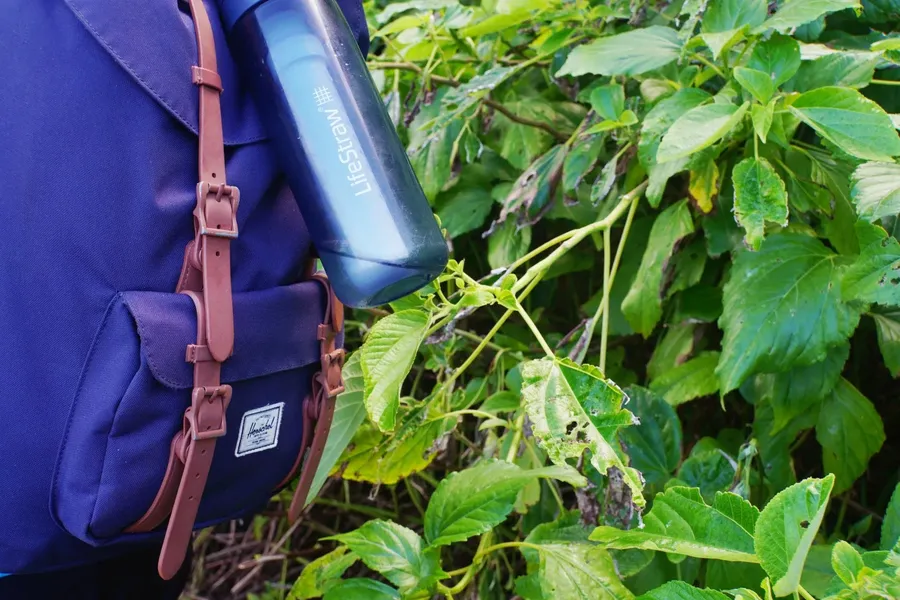
Water is a bit of a tricky one when it comes to sustainability when travelling in Wallis and Futuna. Although you can use taps in Wallis to refill your reusable water bottle, refilling it at any old tap in Futuna could well lead to some health issues.
However, our team travel the islands without having to buy bottled water thanks to water purification bottles like Lifestraw. They might be expensive upfront, but they pay for themselves time and time again (and eliminate the stress of finding shops when you're parched).
See Is the Water Safe to Drink in Wallis & Futuna? for a much deeper dive into the subject.
More About Travelling Sustainably in Wallis and Futuna
That's it for our epic list of ways to travel more sustainably in Wallis and Futuna. For more tips for your travel in Wallis and Futuna, check out the following guides:
- A Traveller's Guide to the Wallisian & Futunan Culture
- The Complete Travel Guide to Wallis & Futuna
- Where to Stay in Wallis & Futuna
Finally, get even more tips for your trip using the 30 Tips for Travelling in Wallis & Futuna.

-BI%20CREDIT%20WallisandFutunaPocketGuide.com-900x601.webp?v=2026-05-20T02%3A42%3A42.396Z)
-SEB%20CREDIT%20WallisandFutunaPocketGuide.com-900x601.webp?v=2026-04-07T00%3A26%3A06.322Z)